
Scouting is one of the most important parts of successful hunting—but it’s also one of the fastest ways to ruin a good property.
Every time you enter the woods, you leave behind pressure. That pressure adds up. And by the time season opens, the animals you’ve been targeting may already be avoiding the very areas you plan to hunt.
That’s what experienced hunters mean when they say a property is “burned out.”
Smart scouting isn’t about doing more—it’s about doing just enough without changing animal behavior.
If you want consistent success, especially on pressured ground, you need to learn how to gather information while keeping your impact as low as possible.
What It Means to “Burn Out” a Property
A burned-out property doesn’t mean there are no animals left.
It means:
- Movement becomes mostly nocturnal
- Core areas shift away from human activity
- Travel routes change unpredictably
- Encounters drop—even when sign is present
In many cases, the animals are still there—they’ve just adapted to you.
Why Scouting Pressure Matters More in Early Summer
Early to mid-summer is a critical window.
During this time:
- Deer establish summer patterns
- Bucks settle into core areas
- Movement becomes more consistent
But it’s also when:
- Vegetation is thick
- Access becomes more intrusive
- Human scent lingers longer in warm conditions
Too much pressure now can:
- Push mature bucks into harder-to-reach areas
- Shift patterns before you ever hunt them
- Reduce daylight movement months in advance
The Core Principle: Information Without Intrusion
The goal of smart scouting is simple:
Get the information you need while leaving the least possible impact.
That means:
- Fewer trips
- Better planning
- Smarter use of tools
- More observation, less intrusion
Step 1: Start With Remote Observation
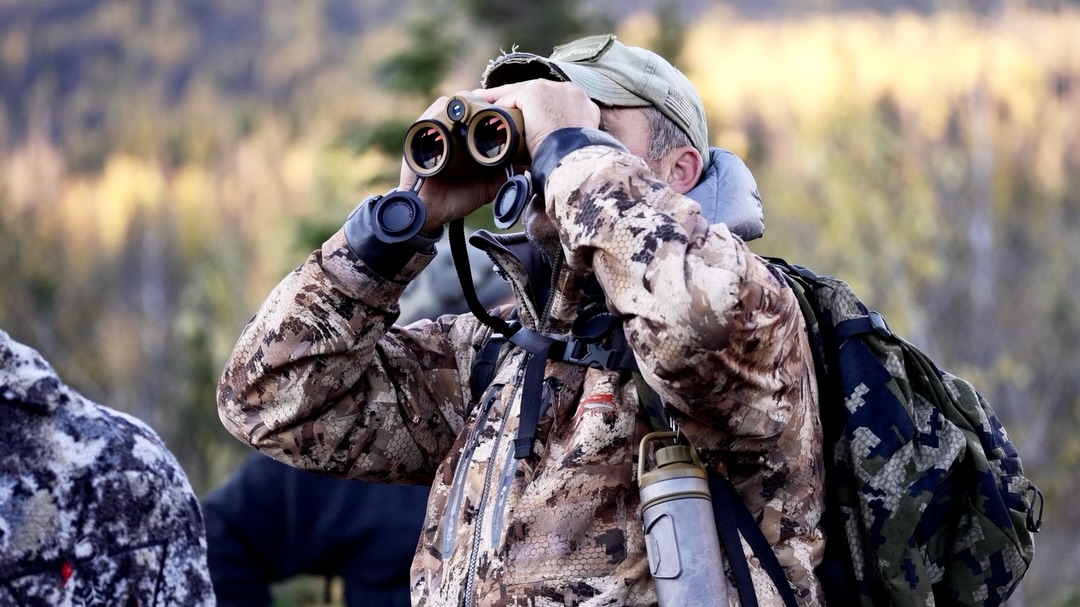
Before stepping into your property, gather as much information as possible from a distance.
Use Optics From Afar
- Glass fields, food sources, and open edges
- Watch movement during early morning or late evening
Identify Entry Points
- Note where deer enter and exit cover
- Look for consistent patterns without walking in
Observe From Vehicles or Roads (Where Legal)
- Minimal disturbance compared to on-foot scouting
- Useful for covering large areas quickly
This approach gives you valuable intel without adding pressure.
Step 2: Limit Intrusions Into Core Areas
Core areas—especially bedding zones—are the most sensitive parts of your property.
Entering them repeatedly is one of the fastest ways to burn out a spot.
Instead:
- Stay on the edges whenever possible
- Avoid repeated access routes
- Treat core areas as off-limits unless absolutely necessary
Remember: the less you disturb these areas, the more predictable animals remain.
Step 3: Be Strategic With Trail Cameras
Trail cameras are powerful—but they can also create pressure if misused.
Smart Placement:
- Focus on travel corridors, not bedding areas
- Use funnels, pinch points, and transitions
- Avoid placing cameras too deep too early
Reduce Human Impact:
- Check cameras sparingly
- Use scent control when accessing them
- Consider cellular cameras to eliminate frequent visits
Let your cameras gather information so you don’t have to.
Step 4: Time Your Scouting Trips Carefully
Not all scouting trips are equal.
Best Conditions for Low Impact:
- Midday (when deer are least active)
- Windy days (to disperse scent)
- Light rain (reduces noise and scent retention)
Avoid:
- Dawn and dusk (peak movement times)
- Calm conditions where sound and scent travel easily
Timing alone can significantly reduce your impact.
Step 5: Use the “One Trip” Strategy
One of the most effective approaches is:
Plan one high-value scouting trip instead of multiple casual ones.
During that trip:
- Identify stand locations
- Map entry and exit routes
- Confirm key sign (trails, rubs, bedding edges)
Then stay out.
This prevents repeated disturbance and keeps the property fresh for the season.
Step 6: Control Your Access Routes
How you enter and exit matters as much as where you go.
- Avoid crossing major trails
- Stay downwind of bedding areas
- Use consistent, low-impact routes
Poor access can spread pressure across the entire property—even if your scouting is limited.
Step 7: Pay Attention to Wind Direction
Scent is one of the biggest factors in pressure.
Even a single scouting trip with the wrong wind can:
- Contaminate bedding areas
- Alert animals without you ever seeing them
- Shift movement patterns immediately
Always plan your entry and exit based on wind—not convenience.
Step 8: Know When to Stay Out Completely
Sometimes, the best scouting decision is not to scout at all.
If you already have:
- Reliable camera data
- Observational intel
- A solid understanding of the property
Then additional intrusion may do more harm than good.
Resist the urge to “check one more spot.”
Common Mistakes That Burn Out Properties
Scouting Too Frequently
Repeated visits create cumulative pressure.
Walking Bedding Areas Out of Curiosity
This often causes long-term displacement.
Overchecking Trail Cameras
Each visit adds scent and disturbance.
Ignoring Wind and Access
Poor planning spreads pressure across the property.
Why Smart Scouting Leads to Better Hunting
When you reduce pressure:
- Deer stay on natural patterns
- Daylight movement increases
- Core areas remain stable
- Encounters become more predictable
In other words, you’re not just finding deer—you’re keeping them huntable.
Turning Summer Scouting Into Fall Success
The work you do now should set you up for opening day.
Use your intel to:
- Pre-select stand locations
- Plan silent entry and exit routes
- Minimize in-season scouting
- Focus only on high-percentage hunts
This keeps your property fresh when it matters most.
Final Thoughts
It’s easy to think that more scouting leads to more success.
But in reality, too much pressure can undo everything you’ve learned.
Smart hunters understand that restraint is a strategy.
Because the goal isn’t just to find animals—
It’s to find them without letting them know you’re there.
