
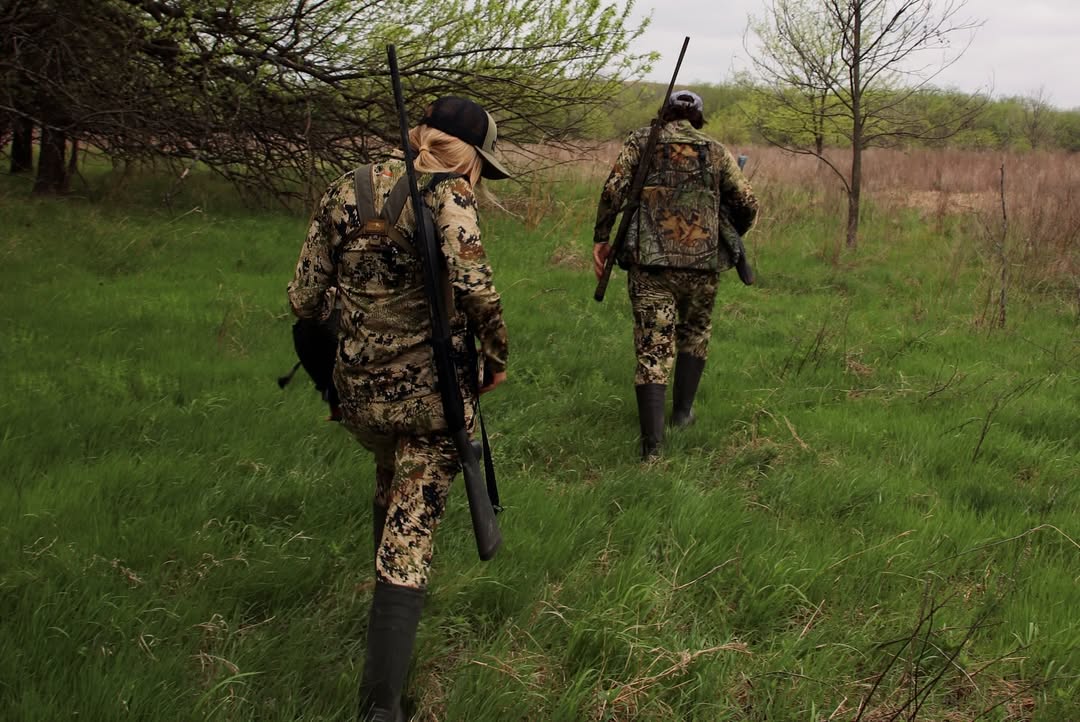
Scouting is one of the most important parts of hunting—but it’s also one of the easiest ways to ruin your own success before the season even begins.
Every time you step into the woods, you leave behind more than footprints. You leave scent, noise, and disturbance. And for pressured animals like whitetail deer and wild turkeys, that’s often enough to change their behavior long before opening day.
That’s why experienced hunters focus on a smarter approach:
Low-impact scouting—gathering critical information while keeping your presence virtually undetectable.
If you can learn how to scout without spooking game animals, you’ll enter the season with better intel and less pressure on the property.
Why Low-Impact Scouting Matters More Than Ever
Game animals today are more aware than ever.
Between hunting pressure, predators, and human activity, animals quickly learn to:
- Avoid areas with repeated disturbance
- Shift movement to nighttime
- Relocate bedding areas
- Use thicker, harder-to-access cover
Even a few poorly timed scouting trips can:
- Push mature bucks off a property
- Change travel patterns
- Reduce daylight movement
The goal of scouting isn’t just to learn—it’s to learn without being noticed.
The Core Principle: Observe More, Disturb Less
Low-impact scouting is built on one simple idea:
Get the information you need while leaving the least possible trace.
That means:
- Fewer entries into core areas
- Smarter timing
- Better use of tools
- More observation from a distance
Step 1: Scout From a Distance First
Before stepping into the woods, start with what you can see from afar.
Use Vantage Points
- Hills, ridgelines, or field edges
- Overlooks that provide visibility without intrusion
Glass Open Areas
- Fields, food plots, and clearings
- Early morning and late evening movement
Monitor Entry/Exit Points
- Watch where animals enter or leave cover
- Identify patterns without stepping inside
This approach lets you gather valuable information while keeping pressure near zero.
Step 2: Limit Intrusion Into Core Areas
Core areas—like bedding zones—are the most sensitive parts of a property.
Entering them carelessly can:
- Alert animals immediately
- Cause long-term avoidance
- Shift movement patterns permanently
Instead:
- Stay on the edges
- Avoid repeated visits
- Only enter when absolutely necessary—and with a plan
Step 3: Time Your Scouting Carefully
When you scout is just as important as how.
Best Times for Low-Impact Scouting:
- Midday (when animals are least active)
- Windy days (noise and scent are dispersed)
- Light rain conditions (reduces noise and scent retention)
Avoid:
- Early morning or evening (peak movement times)
- Calm, still days where sound and scent travel easily
Step 4: Control Your Scent and Noise
You don’t need to be perfect—but minimizing detection is critical.
Scent Control Basics:
- Approach from downwind whenever possible
- Avoid crossing known travel routes
- Limit time spent in high-traffic areas
Noise Reduction:
- Move slowly and deliberately
- Avoid stepping on dry sticks or debris
- Pause often to listen and observe
Animals may not always see you—but they will detect you if you’re careless.
Step 5: Use Trail Cameras Strategically
Trail cameras are one of the best low-impact tools available—if used correctly.
Placement Tips:
- Set cameras on the edges of travel routes
- Avoid placing them deep in bedding areas
- Use natural funnels or pinch points
Minimize Disturbance:
- Check cameras infrequently
- Swap cards quickly and quietly
- Consider cellular cameras to reduce visits
The goal is to let cameras do the work—so you don’t have to.
Step 6: Focus on High-Value Information
Not all information is worth the same level of risk.
Prioritize:
- Active travel corridors
- Entry and exit routes
- Feeding patterns
- Terrain features that guide movement
Avoid unnecessary wandering or exploring just for curiosity.
Every step should have a purpose.
Step 7: Use the “One and Done” Approach
One of the most effective low-impact strategies is:
Go in once, gather everything you need, and stay out.
During that trip:
- Identify stand locations
- Mark access routes
- Confirm movement patterns
After that, limit intrusion until closer to the season.
This reduces pressure and keeps animals behaving naturally.
Common Mistakes That Increase Pressure
Even well-meaning hunters often make these errors:
Scouting Too Often
Repeated visits create cumulative pressure.
Checking Cameras Too Frequently
Every check adds disturbance.
Walking Through Bedding Areas
This is one of the fastest ways to push animals out.
Ignoring Wind Direction
Scent contamination can linger longer than you think.
Why Low-Impact Scouting Leads to More Success
When you reduce pressure:
- Animals feel safe
- Movement stays consistent
- Daylight activity increases
- Patterns remain predictable
This gives you a major advantage when the season opens.
Hunters who scout aggressively often know more—but see less.
Hunters who scout smart know enough—and see more.
Turning Low-Impact Scouting Into Fall Results
The information you gather now should translate directly into your hunting plan.
Use it to:
- Set stand locations with confidence
- Plan entry and exit routes
- Minimize in-season scouting
- Focus only on high-percentage setups
This approach keeps your property fresh—and your odds high.
Final Thoughts
Scouting isn’t just about learning where animals are—it’s about doing it without changing their behavior.
Low-impact scouting allows you to stay one step ahead while keeping game animals comfortable and unpressured.
Because in today’s hunting environment, success doesn’t come from who spends the most time in the woods—
It comes from who leaves the least trace behind.
