
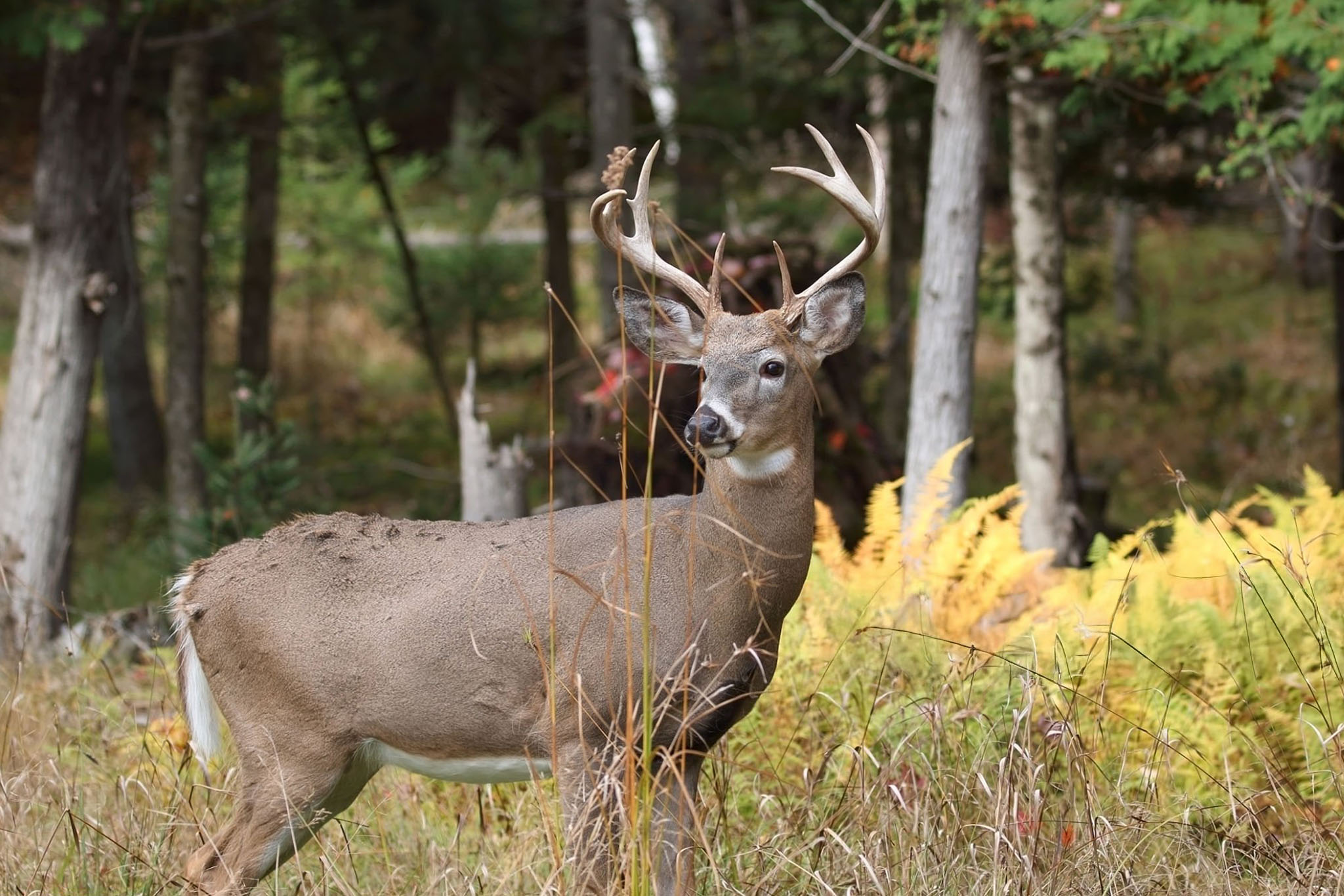
For serious whitetail hunters, success in the fall season often begins months earlier. While many hunters focus their scouting efforts during summer or early fall, experienced deer hunters understand that late spring is one of the most valuable times of the year to map deer travel routes.
During this period, the woods are revealing important clues about how deer move across the landscape. Winter pressure has faded, vegetation has not yet fully grown thick, and last season’s sign is still visible on the ground. These conditions give hunters a rare opportunity to study deer movement patterns and plan future stand locations with far less guesswork.
If you want to understand where mature bucks are likely to travel once hunting season arrives, late spring scouting can provide critical information that many hunters overlook.
The Landscape Still Tells Last Season’s Story
One of the biggest advantages of scouting in late spring is that the woods still hold evidence from the previous hunting season.
Throughout the fall and winter, deer create well-defined travel routes while moving between bedding areas, feeding locations, and water sources. These trails become deeply worn paths through leaves, grass, and soil.
By late spring, many of these travel routes remain clearly visible because new plant growth has not completely covered them yet. Hunters can still find:
- Established deer trails
- Old rub lines from the rut
- Scrape locations along travel corridors
- Crossing points near creeks or fences
These signs help reveal how deer moved through the area during the previous season. Since mature bucks often reuse the same general routes year after year, mapping these paths now can lead to productive stand locations later.
Less Pressure Means Natural Deer Movement
Another benefit of late spring scouting is the lack of human pressure in the woods.
During the hunting season, deer behavior is heavily influenced by hunters, vehicle traffic, and other disturbances. Bucks may move at night or shift their routes to avoid areas with frequent human activity.
By late spring, however, hunting pressure has disappeared for months. Deer begin returning to more natural movement patterns. Trails that may have seemed quiet during hunting season often become easier to identify once the woods settle down.
Scouting during this time allows hunters to observe travel routes that deer actually prefer when they are not being pushed or pressured.
Vegetation Has Not Fully Taken Over
Once summer arrives, thick vegetation can make scouting extremely difficult. Tall grass, leafy trees, and dense brush hide trails and reduce visibility throughout the forest.
Late spring offers a short window before this heavy growth takes over.
During this period:
- Ground cover is still relatively low
- Trails remain easy to spot
- Terrain features are easier to analyze
- Visibility through the woods is much better
This makes it easier to track deer movement across ridges, valleys, and transitions between different types of cover.
For hunters trying to understand how deer navigate a property, this visibility is incredibly valuable.
Identifying Key Terrain Funnels
When mapping deer travel routes, it’s important to focus on terrain features that naturally funnel deer movement.
Whitetail deer prefer the path of least resistance. As they move between bedding and feeding areas, they often follow terrain that makes travel easier or provides cover.
Common travel funnels include:
- Ridge saddles
- Narrow strips of timber between fields
- Creek crossings
- Edges between thick bedding cover and open feeding areas
- Gaps in fences or natural barriers
Late spring scouting allows hunters to walk these areas and identify how deer move through them. Many times, you will discover multiple trails converging at the same location—an excellent indicator of a high-traffic travel corridor.
Bedding Areas Become Easier to Locate
Mapping deer travel routes is closely connected to understanding where deer bed during daylight hours.
Bedding areas are often located in places that provide both security and a good view of the surrounding terrain. These locations may include:
- Thick brush or young timber
- South-facing slopes that receive more sunlight
- Elevated ridges with good wind advantage
- Overgrown clear-cuts or CRP fields
When scouting in late spring, you may notice several trails leading into or out of these areas. By following those trails outward, you can begin mapping the routes deer use as they travel between bedding and feeding zones.
Knowing these connections can help hunters position stands along the routes deer use most frequently.
Trail Cameras Work Better With Good Mapping
Many hunters rely on trail cameras to monitor deer activity, but cameras are far more effective when placed along known travel routes.
Late spring scouting helps hunters identify where cameras should be placed for the best results.
Instead of randomly hanging cameras throughout the woods, you can target:
- Major trail intersections
- Funnel points between bedding and feeding areas
- Terrain crossings used by multiple deer
- Edges of early-season food sources
Placing cameras along these mapped routes increases the chance of capturing photos of mature bucks as they begin developing summer patterns.
Early Food Sources Influence Travel Routes
Another reason late spring scouting is valuable is that new food sources begin appearing across the landscape.
As temperatures warm, deer begin feeding heavily on fresh vegetation such as:
- Clover
- Alfalfa
- Agricultural crops
- New browse growth
- Young leaves and shoots
These food sources attract deer and influence where they travel during the evening and early morning hours.
By identifying feeding areas and connecting them with nearby bedding cover, hunters can map travel routes that are likely to remain important well into early fall.
Digital Mapping Makes Scouting Even More Effective
Modern hunters often combine traditional scouting with digital mapping tools.
After identifying trails and terrain funnels in the field, hunters can mark these locations using GPS or mapping apps. Over time, this creates a detailed map showing:
- Primary travel corridors
- Bedding areas
- Feeding zones
- Funnel locations
This information becomes incredibly valuable once the hunting season arrives. Instead of guessing where deer might travel, hunters already understand how deer move through the property.
Why Mature Bucks Follow Consistent Routes
One of the reasons mapping travel routes works so well is that mature bucks tend to follow predictable movement patterns.
Although their behavior may shift slightly throughout the year, mature deer often use the same terrain features repeatedly. They prefer routes that provide:
- Security cover
- Favorable wind direction
- Easy access to bedding areas
- Quick escape options
Because these landscape features rarely change, deer continue using them year after year.
By discovering these routes in late spring, hunters gain a significant advantage long before the fall season begins.
Final Thoughts
Successful deer hunting rarely happens by accident. It usually comes from months of preparation and a deep understanding of how deer move through the landscape.
Late spring provides one of the best opportunities of the year to uncover those movement patterns. With winter sign still visible, vegetation not yet fully grown, and deer returning to natural routines, the woods offer valuable clues about where deer prefer to travel.
By spending time mapping deer travel routes during this short scouting window, hunters can identify funnels, bedding areas, and feeding connections that will remain important once the hunting season arrives.
For hunters willing to put in the effort now, late spring scouting can turn fall hunts from uncertain guesses into carefully planned opportunities for success.
