
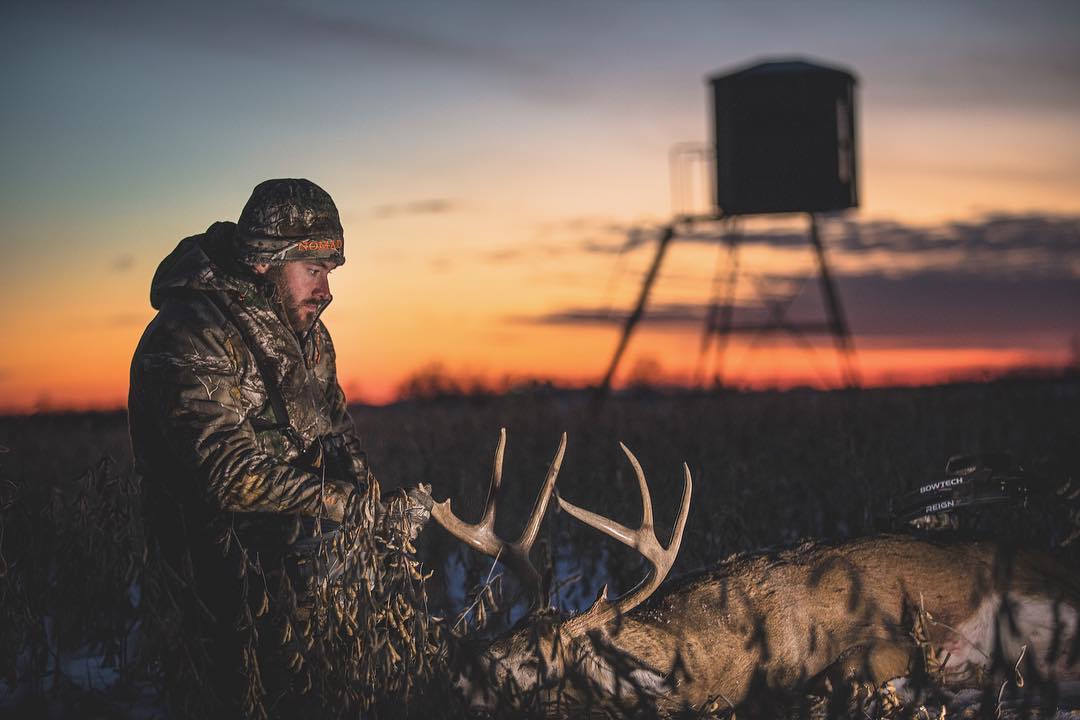
For many whitetail hunters across the United States, the end of deer season marks the beginning of a long wait until fall. Once winter sets in, it’s easy to assume that the woods go quiet and that there’s little reason to spend time scouting again until summer trail cameras start coming out.
But experienced hunters know something different: the weeks after winter can reveal some of the most valuable deer sign of the entire year.
During the post-winter period—when snow melts, vegetation is still thin, and deer begin shifting back into early spring patterns—the woods are full of clues about how deer survived the previous hunting season. Unfortunately, many hunters walk right past these signs without realizing their importance.
Learning to recognize and interpret these overlooked indicators can provide valuable insights into mature buck behavior, travel routes, bedding areas, and future hunting opportunities.
Why Post-Winter Sign Is So Valuable
After months of cold weather and limited food, deer move differently than they do during the fall rut or early season feeding patterns.
Winter forces deer to focus heavily on survival. They conserve energy, travel predictable routes between bedding areas and food sources, and avoid unnecessary movement.
As snow melts and early spring begins, much of this winter movement is still visible across the landscape.
Because there is less ground cover and fewer leaves on trees, hunters can often see sign that would normally be hidden during the fall.
Post-winter scouting gives hunters a chance to study natural deer behavior without hunting pressure, making it one of the most informative times of the year.
Faint Winter Trails That Reveal Major Travel Routes
One of the most overlooked pieces of deer sign after winter is the presence of faint, narrow trails running through thick cover.
During harsh winter months, deer often create well-defined trails between bedding areas and reliable food sources. However, once snow melts and deer begin spreading out again, these trails may become less obvious.
Many hunters ignore these faint paths, assuming they are random animal tracks.
In reality, these subtle trails often represent major winter travel corridors used repeatedly by deer trying to conserve energy.
Following these trails can reveal:
- Key bedding areas
- Hidden travel funnels
- Winter feeding zones
- Routes mature bucks may still use in early spring
These trails may also connect areas that become important movement corridors again during early bow season.
Old Rub Lines That Still Tell a Story
Another sign many hunters overlook after winter is old rub lines.
During the fall rut, bucks leave rubs on trees as they mark territory and communicate with other deer. While fresh rubs attract the most attention during hunting season, older rubs can still provide valuable information long after winter ends.
Many rubs remain visible well into spring, especially on larger trees where bark damage is significant.
When hunters find several rubs aligned along the same path, it often indicates a rub line, which is a route frequently used by a buck during the pre-rut and rut.
These lines may lead directly between bedding areas and feeding zones.
Even if the exact buck that made the rubs does not return next season, mature bucks often reuse similar travel routes year after year.
By paying attention to these overlooked rub lines, hunters can identify ideal stand locations for future hunts.
Subtle Bedding Areas Hidden in Plain Sight
Bedding areas are another piece of deer sign that hunters frequently miss after winter.
While large bedding areas in thick cover are easier to recognize, many deer also use smaller, subtle bedding locations that blend into the landscape.
In early spring, these beds may still appear as:
- Flattened grass or leaves
- Slight depressions in the ground
- Areas with multiple beds close together
- Spots overlooking travel corridors or open terrain
Mature bucks often choose bedding locations that give them a wind advantage and a clear view of their surroundings.
Hunters who carefully examine these areas during spring can gain valuable insight into where deer feel most secure on a property.
Understanding bedding locations is one of the most important pieces of the whitetail puzzle.
Winter Browse Lines Reveal Feeding Habits
One of the most overlooked signs in post-winter woods is the presence of browse lines.
During winter, deer rely heavily on woody plants, shrubs, and tree buds for food. As they feed, they create visible browse lines where twigs and branches have been nipped off.
These lines often appear along:
- Field edges
- Young timber growth
- Logging cuts
- Brushy thickets
Many hunters walk past these feeding signs without realizing what they indicate.
Browse lines reveal where deer concentrated their feeding activity during the toughest part of the year. These locations often remain important food sources until spring vegetation begins to grow.
Understanding winter feeding areas helps hunters predict where deer may continue spending time as the seasons change.
Shed Antlers That Mark Buck Core Areas
One of the most exciting discoveries during post-winter scouting is finding a shed antler.
Bucks typically drop their antlers between late winter and early spring. These sheds often fall in areas where deer spend the majority of their time during the late-season survival period.
While shed hunting is often seen as a fun activity, it can also provide important scouting information.
A shed antler confirms that a mature buck survived the hunting season. Just as importantly, it reveals where that buck was spending time when winter conditions were most difficult.
Areas where sheds are found frequently include:
- Thick bedding cover
- South-facing slopes that receive sunlight
- Protected areas near reliable food sources
- Travel routes between feeding and bedding zones
Marking these locations can help hunters identify a buck’s core winter area.
Terrain Funnels That Become Visible After Winter
Terrain features that funnel deer movement are often easier to spot after winter.
With leaves gone and vegetation reduced, hunters can clearly see the natural shapes of the land.
Funnels can appear in several forms, including:
- Saddles between ridges
- Narrow timber strips between open fields
- Creek crossings
- Points where thick cover narrows
Because deer prefer traveling the easiest and safest routes, these funnels naturally guide their movement.
Hunters who overlook these features may miss some of the most reliable stand locations on a property.
Why Many Hunters Miss These Signs
Despite the value of post-winter deer sign, many hunters fail to notice it for several reasons.
First, they often assume that sign from the previous season is no longer relevant. In reality, deer movement patterns frequently repeat from year to year.
Second, some hunters only search for dramatic signs such as fresh rubs or large scrapes. Subtle indicators like faint trails, browse lines, or bedding depressions may seem less important.
Finally, many hunters simply stop scouting once hunting season ends.
Those who continue exploring the woods during spring gain valuable knowledge that others miss.
Spring Scouting Turns Overlooked Clues Into Opportunities
Post-winter scouting is not just about finding deer sign—it is about understanding the story that sign tells.
Every trail, rub, bed, and browse line reveals how deer survived the most challenging part of the year.
By studying these clues, hunters can begin identifying the key locations where deer spend time on a property.
This information can guide decisions about:
- Tree stand placement
- Travel corridor monitoring
- Trail camera locations
- Future habitat improvements
The more time spent reading these signs, the clearer the picture becomes.
Final Thoughts
The woods after winter may look quiet and empty, but they are actually full of valuable information for hunters who know what to look for.
Faint trails, old rub lines, hidden bedding areas, browse lines, and shed antlers all provide insight into how deer moved and survived during the previous season.
Unfortunately, many hunters walk right past these clues without recognizing their importance.
Those who take the time to slow down and study the landscape during early spring gain a major advantage.
Because in the world of whitetail hunting, the smallest signs often reveal the biggest opportunities.
