
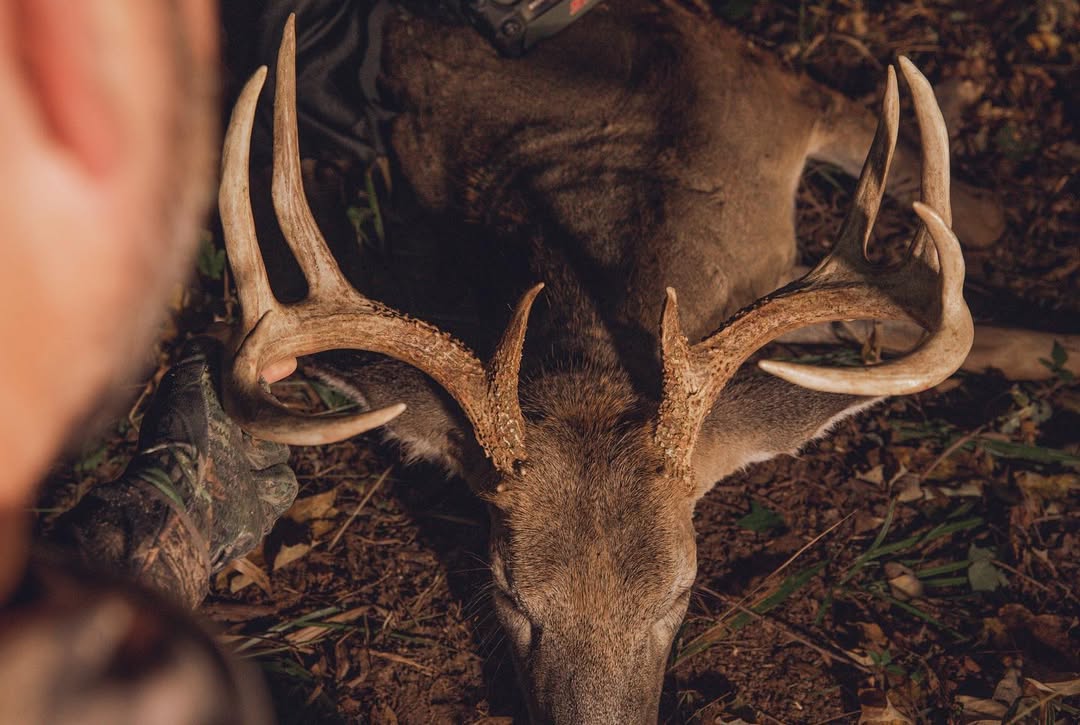
For many hunters, spring feels like the quiet season. Deer season has ended, turkey season may just be getting started, and the woods seem calm again after a long winter. Because of this, a lot of hunters put their gear away and stop thinking about fall.
But experienced hunters know something important: what you do in the spring can directly impact your success months later during hunting season.
While fall gets most of the attention, spring is actually one of the best times to prepare your land, improve habitat, scout deer movement, and organize equipment. These tasks are often overlooked, yet they can make a huge difference when opening day arrives.
Here are several spring tasks that many hunters ignore—but that can dramatically improve fall hunting success.
1. Scouting Last Season’s Deer Sign
Spring is one of the best times to analyze deer activity from the previous season.
With the snow melted and vegetation still low, you can easily spot tracks, trails, rub lines, and bedding areas that were hidden during the fall. These clues help you understand how deer used the property during hunting season.
When walking the woods in early spring, pay attention to:
- Well-worn deer trails
- Clusters of old rubs
- Scrape locations
- Bedding areas on ridges or thick cover
These signs reveal travel patterns that bucks relied on when pressure increased in the fall.
Mapping these routes now allows you to place stands or blinds in better locations before the next season begins.
2. Searching for Shed Antlers
Shed hunting is more than just a fun spring activity—it’s also an incredibly useful scouting tool.
When you find shed antlers, you learn valuable information about the deer that survived the hunting season and winter.
Sheds help you determine:
- Which mature bucks are still on the property
- Where deer spent time during late winter
- Travel routes between feeding and bedding areas
Areas where sheds are commonly found often indicate key feeding zones or bedding areas.
Many hunters discover new stand locations simply by following the clues left behind during shed season.
3. Improving Deer Bedding Cover
One of the most effective ways to keep deer on your property is by creating secure bedding areas.
Spring is an excellent time to improve bedding cover because the woods are still open, making it easier to identify thin areas that lack security.
Simple improvements include:
- Hinge cutting small trees to create thick cover
- Allowing brush to grow along field edges
- Removing low-value trees to encourage understory growth
These habitat improvements allow sunlight to reach the ground, which promotes the growth of grasses, shrubs, and young trees.
Within a single growing season, these areas can become excellent bedding cover that deer will use during the fall.
4. Clearing and Improving Shooting Lanes
Many hunters wait until late summer or early fall to trim shooting lanes around their stands. By then, thick vegetation can make the job more difficult.
Spring is a much better time for this work.
With leaves off the trees, you can clearly see where branches or saplings might block your shot. Carefully clearing these areas now ensures that you have clean, ethical shooting opportunities when the season arrives.
It also allows time for the woods to recover, preventing deer from being disturbed close to hunting season.
5. Maintaining Trails and Access Routes
One of the biggest factors in successful hunting is entering and exiting your stand without alerting deer.
Spring is the perfect time to improve access routes before vegetation grows thick.
Tasks might include:
- Clearing quiet walking paths to stands
- Removing fallen branches
- Marking trails for low-light navigation
- Identifying routes that keep wind and scent away from bedding areas
Establishing clean entry routes months ahead of time allows you to move quietly and efficiently when the season begins.
6. Setting Up Mineral Sites or Trail Camera Locations
While mineral regulations vary by state, spring is still an ideal time to begin monitoring deer activity with trail cameras.
Placing cameras near travel routes, food sources, or mineral sites can provide valuable information throughout the summer.
These cameras help hunters:
- Track buck growth and antler development
- Monitor herd health
- Identify which deer remain on the property
By the time fall arrives, you may already have months of data showing where deer prefer to travel.
7. Improving Food Plot Areas
Spring is the beginning of the growing season, making it the ideal time to start planning or preparing food plots.
Even small food plots can dramatically increase deer activity on a property.
Spring work may include:
- Soil testing
- Clearing small openings
- Planting warm-season crops
- Improving soil fertility
Healthy food sources attract deer throughout the summer and early fall, which can help keep them on your property when hunting season begins.
8. Reducing Human Pressure During the Summer
Another overlooked spring task is simply planning how to minimize disturbance later in the year.
Deer quickly adapt to human pressure. If a property experiences constant activity throughout summer, mature bucks may relocate before the season starts.
Smart hunters use spring to:
- Designate sanctuary areas where humans rarely enter
- Plan stand access routes
- Reduce unnecessary ATV or foot traffic
Creating quiet zones on your property gives deer the confidence to stay nearby during daylight hours.
9. Organizing and Preparing Hunting Gear
Spring is also the perfect time to inspect and prepare equipment long before opening day.
Instead of rushing in the fall, hunters can calmly check their gear now.
Tasks may include:
- Cleaning firearms or bows
- Replacing worn straps on treestands
- Checking trail cameras and batteries
- Organizing hunting packs and clothing
This preparation ensures that everything is ready when the season approaches.
10. Studying the Landscape
Finally, one of the most valuable spring activities is simply spending time observing the land.
Walking the property allows you to notice things that are easy to miss during hunting season, such as:
- Subtle terrain features
- Natural travel corridors
- Hidden bedding areas
- Overlooked stand locations
Spring exploration helps hunters develop a deeper understanding of how deer move through the landscape.
Why Spring Preparation Matters
Many hunters focus only on what happens during the hunting season. However, successful hunters understand that fall success is often built months earlier.
Spring provides a unique opportunity to improve habitat, scout deer movement, and prepare equipment without disturbing animals right before the season.
By completing these overlooked tasks now, you can create a property that naturally holds deer and increases your chances of encountering mature bucks when autumn arrives.
Final Thoughts
While the woods may seem quiet in spring, it’s actually one of the most important seasons for hunters who want to improve their odds in the fall.
Scouting deer sign, searching for shed antlers, improving bedding cover, preparing food plots, and organizing hunting gear are all small tasks that add up to big advantages later in the year.
Hunters who use spring wisely often find that when opening day finally arrives, they’re not starting from scratch—they’re simply putting months of preparation into action.
