
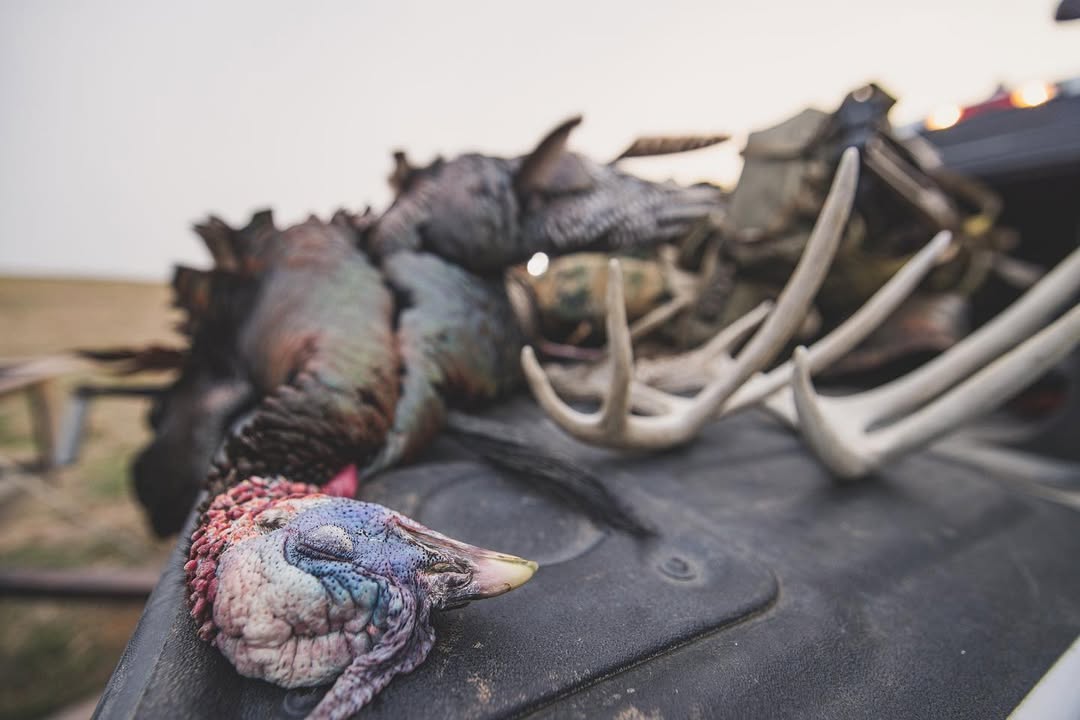
Every spring, turkey hunters wake up long before daylight, slip quietly into the woods, and listen for that unmistakable sound—a gobbler thundering from the roost. The woods feel alive in those first moments of the morning. Calls echo across ridges, wings beat the air as birds fly down, and anticipation runs high.
But here’s something many hunters eventually learn the hard way: just because you heard a gobbler on the roost doesn’t mean he’ll stay there after fly-down.
In fact, mature gobblers often move to specific hidden locations immediately after leaving the tree, places where they feel safe, where hens naturally gather, and where they can strut without exposing themselves to danger. Hunters who understand these hidden travel patterns consistently have more success during spring turkey season.
In this guide, we’ll break down where turkeys really go after fly-down, why they choose these locations, and how smart hunters can position themselves for a close-range encounter.
Why the Fly-Down Moment Isn’t the Whole Story
Many hunters focus entirely on the roost tree. They hear a gobbler, set up nearby, start calling—and expect the bird to walk straight in.
Sometimes that works. But more often, especially with experienced gobblers, the bird already has a plan.
Wild turkeys are creatures of routine. After fly-down, gobblers typically move toward locations that provide:
- Safety from predators
- Good visibility
- Access to feeding areas
- Places where hens naturally gather
Instead of wandering randomly, they often travel to predictable but overlooked spots that many hunters never consider.
Understanding these hidden locations can completely change how you approach a morning hunt.
1. The First Strut Zone Near the Roost
One of the most common places a gobbler goes after fly-down is a nearby strut zone—a small open area where he can display for hens.
These spots are usually located within 50 to 150 yards of the roost tree, but they’re often slightly hidden from obvious sightlines.
Typical strut zones include:
- Small logging roads
- Ridge-top openings
- Old logging landings
- Small clearings in hardwoods
- Thin patches in pine stands
Gobblers prefer areas where they can see approaching hens from multiple directions. They’ll puff up, fan their tail, and gobble repeatedly while waiting for hens to join them.
Hunter Tip
Instead of setting up directly under the roost tree, try positioning between the roost and a nearby opening. This intercepts the bird as he moves toward his first strut zone.
2. Soft Edges Between Woods and Fields
After fly-down, turkeys often drift toward edges where habitat types meet.
These transition zones provide:
- Early morning insects
- Seeds and fresh vegetation
- Safe escape cover
Common examples include:
- Field edges
- Pasture corners
- Old food plots
- Timber-to-clearcut transitions
Gobblers know hens frequently move to these feeding edges early in the morning, which makes them excellent places for displaying and calling.
Why Hunters Miss These Spots
Many hunters sit deep in the woods, assuming birds will stay there. In reality, turkeys often move toward edge habitat within minutes of fly-down.
3. South-Facing Hillsides on Cool Spring Mornings
Early spring mornings can be cold, especially after overnight frost. Turkeys naturally seek out areas that warm quickly after sunrise.
That’s why south-facing slopes often attract birds after fly-down.
These hillsides receive more sunlight and tend to:
- Warm faster
- Produce early insects
- Offer dry ground
Gobblers will often bring hens to these sunny slopes where they can feed and strut comfortably.
Scouting Clue
If you notice scratching in leaves and scattered feathers on sunny hillsides, you may have found a regular post-roost destination.
4. Quiet Ridge Spurs
Ridges play a major role in turkey movement. But the real secret lies in the small spur ridges that branch off the main ridge line.
These locations give turkeys:
- Elevated visibility
- Multiple escape routes
- Natural travel corridors
Gobblers often walk these ridge spurs while gobbling, searching for hens and monitoring their surroundings.
Because many hunters focus on valleys or large ridges, these subtle terrain features often go unnoticed.
5. Logging Roads and Old Trails
Turkeys love to travel where walking is easy. After flying down from the roost, gobblers frequently follow:
- Logging roads
- ATV trails
- Old farm lanes
- Dry creek beds
These travel routes allow turkeys to cover ground quickly while still keeping visibility high.
You’ll often see:
- Fresh tracks
- Drag marks from strutting gobblers
- Wing-tip marks in dust
Hunter Strategy
Setting up along these travel corridors can be extremely effective, especially if you’ve observed birds using the area during scouting.
6. Hidden Feeding Pockets
Not all feeding areas are large fields or obvious openings. Turkeys regularly visit small feeding pockets hidden within the woods.
These might include:
- Oak flats with leftover acorns
- Freshly scratched leaf litter
- Small patches of green vegetation
- Bug-rich damp areas
Hens often gather here to feed in the morning, which naturally attracts gobblers.
These spots are easy to overlook because they may only be 20–30 yards wide, but they can hold birds consistently throughout the season.
How to Predict Post Fly-Down Movement
Experienced turkey hunters rarely rely on luck. Instead, they look for clues in the terrain and turkey sign.
Pay attention to:
- Fresh scratching in leaves
- Tracks in soft dirt or mud
- Strut marks in sandy soil
- Droppings near open areas
If you find multiple signs in one location, chances are turkeys regularly move there after fly-down.
Scouting during midday or late afternoon can reveal these hidden patterns.
The Biggest Mistake Hunters Make
Many hunters set up too close to the roost tree and expect the gobbler to come directly to their calls.
But if the bird already plans to walk toward a strut zone or feeding area, he may simply ignore your calls and follow hens instead.
Sometimes the smartest move is to anticipate the turkey’s destination rather than the roost itself.
A Smarter Fly-Down Strategy
To improve your odds on spring mornings:
- Locate the general roost area.
- Identify nearby strut zones or openings.
- Look for travel routes leading away from the roost.
- Set up between the roost and these likely destinations.
This strategy allows you to intercept gobblers naturally moving through the landscape, rather than trying to pull them away from hens.
Final Thoughts
The magic moment when a gobbler flies down from the roost is only the beginning of the morning hunt. What happens in the next 30 to 60 minutes often determines whether a hunter goes home with a story—or a tagged bird.
By learning the hidden places turkeys move to after fly-down—strut zones, ridge spurs, warm hillsides, edges, and quiet travel corridors—you gain a powerful advantage in the spring woods.
The next time you hear a gobbler thunder from the roost, remember: he already knows where he’s going.
The real question is whether you’ve figured it out first.
