
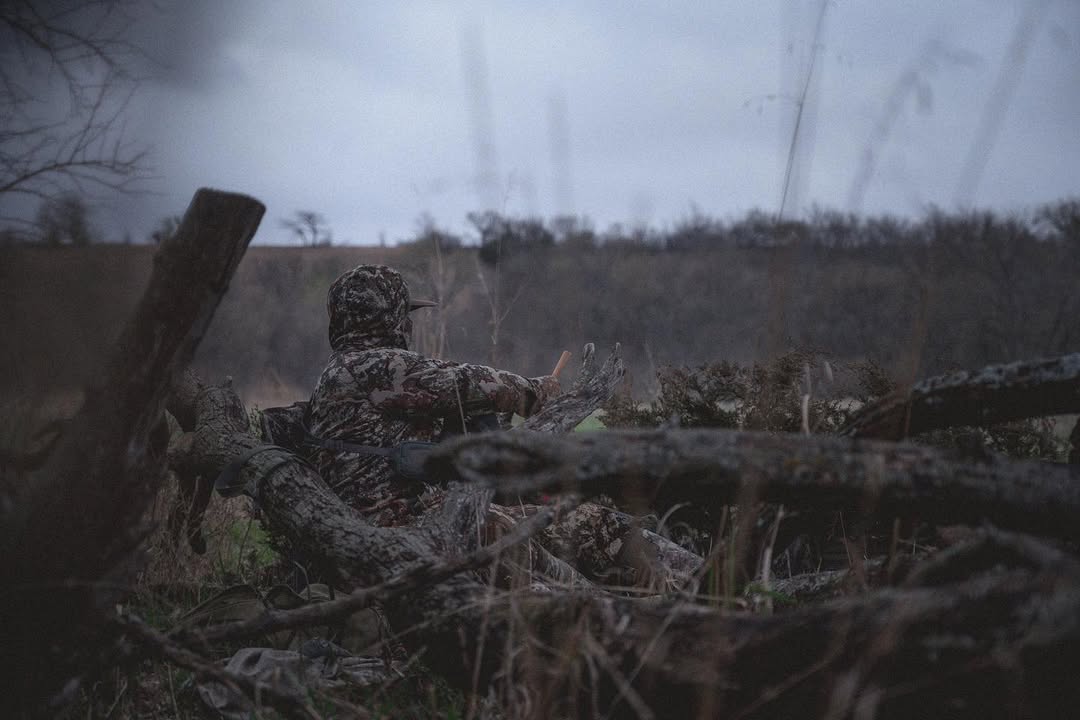
For many hunters, the excitement of turkey season fades once the early morning gobbling slows down. By mid-morning, the woods seem quiet, and some hunters start heading back to the truck.
But experienced turkey hunters know something important: late morning can actually be one of the best times to tag a gobbler.
After hens leave to nest, gobblers often become more responsive to calling. The key is understanding where these birds naturally travel and where terrain gives you the advantage. Instead of chasing gobbles across the woods, smart hunters position themselves in places where gobblers are likely to pass.
Knowing the right terrain features can turn a slow morning into the moment when a silent tom suddenly appears at close range.
Why Late Morning Gobblers Behave Differently
During the first hours after fly-down, gobblers are usually surrounded by hens. They don’t need to search for companionship because hens come to them.
By late morning, however, many hens slip away to lay eggs or begin nesting. This leaves gobblers alone and still eager to breed. When that happens, they often start moving through their home range looking for another hen.
This movement creates a perfect opportunity for hunters who understand the landscape.
Late morning gobblers typically:
- Travel longer distances
- Follow predictable terrain routes
- Respond more cautiously to calls
- Appear silently without gobbling
Because of this, choosing the right terrain feature is often more important than calling aggressively.
Ridge Lines: Natural Turkey Highways
Ridges are some of the most reliable travel routes for turkeys. Gobblers frequently move along ridge tops because these areas provide excellent visibility and easier walking compared to thick valleys.
A tom walking a ridge can:
- Spot danger from a distance
- Listen for hen calls traveling through the woods
- Cover ground efficiently
Late in the morning, gobblers often cruise ridge tops while occasionally gobbling or responding to calls.
How to Hunt Ridge Lines
Instead of sitting directly on top of the ridge, consider setting up slightly below the crest on the side where turkeys are traveling. This keeps you hidden while still allowing you to intercept birds moving along the ridge.
Ridges with scattered hardwoods and open understory are especially productive because turkeys can move freely without dense cover blocking their path.
Saddle Crossings Between Ridges
A saddle is a low point between two higher ridges. These terrain features act like natural funnels for wildlife movement.
Turkeys often choose saddles because they provide the easiest route to travel between ridge systems. Late morning gobblers moving through their territory frequently pass through these crossings.
From a turkey’s perspective, a saddle allows them to:
- Move between feeding areas
- Cross ridges without climbing steep slopes
- Maintain visibility while traveling
Why Saddles Are Perfect Ambush Spots
Because terrain naturally funnels birds through these narrow points, hunters can position themselves where any turkey traveling the ridge must pass nearby.
If you’ve ever noticed turkey tracks concentrated in one small area along a ridge, there’s a good chance you’ve found a saddle crossing.
Field Edges and Midday Feeding Zones
As the morning progresses, turkeys often begin shifting toward feeding areas. Late morning feeding zones commonly include:
- Field edges
- Food plots
- Pasture corners
- Recently disturbed soil areas
These places attract insects and fresh vegetation, making them natural feeding spots.
Gobblers traveling alone may slowly work along these edges, searching for both food and hens.
Smart Setup Strategy
Instead of sitting directly in the open, set up just inside the tree line overlooking the edge. This keeps you concealed while allowing you to see birds approaching the field.
Soft calling at this time of day can be extremely effective because lonely gobblers are actively searching for hens.
Logging Roads and Old Trails
Turkeys prefer walking routes that require the least energy. Logging roads, old farm lanes, and ATV trails often become natural travel corridors.
These open paths allow gobblers to:
- Walk quietly through the woods
- Spot movement ahead
- Move quickly between feeding areas
Late morning gobblers frequently travel these routes while searching for hens that may be feeding nearby.
Signs of Turkey Activity
Look for clues such as:
- Fresh tracks in soft dirt
- Drag marks from strutting gobblers
- Droppings along the road edges
- Scratching in nearby leaf litter
If you find these signs along a logging road, it’s likely turkeys use that path regularly.
Small Clearings Hidden in the Woods
One of the most overlooked terrain features is the small hidden clearing.
These openings may be:
- Old logging landings
- Small natural glades
- Tiny grassy openings in timber
Gobblers often use these spaces as midday strut zones where they can display and listen for hens.
Because they are surrounded by woods, these areas feel safe for turkeys while still offering enough visibility for strutting behavior.
Hunters who discover these small openings during scouting often find that gobblers return to them repeatedly throughout the season.
Creek Crossings and Natural Funnels
Water features can strongly influence turkey movement.
Creeks and drainage lines sometimes create natural barriers that funnel birds into specific crossing points. These crossings may include:
- Shallow gravel bars
- Fallen logs across creeks
- Narrow bends where banks are low
Turkeys tend to cross water where it’s easiest and safest. A gobbler traveling through his territory during late morning may follow a creek until reaching one of these crossing locations.
Setting up nearby can put you directly in the path of a moving bird.
The Importance of Quiet Patience
Late morning turkey hunting often requires a different mindset than the aggressive calling many hunters use at daylight.
Gobblers at this time may approach:
- Silently
- Slowly
- From unexpected directions
Sometimes a bird that never gobbles will suddenly appear within range after quietly investigating your calls.
This is why patience and positioning are critical. When you’re sitting near a productive terrain feature, it often pays to stay longer than you think you should.
Scouting Terrain Before the Season
The best way to find productive ambush locations is through scouting.
Before the season, spend time walking likely terrain and look for:
- Turkey tracks in soft soil
- Feather scatterings
- Droppings
- Areas where leaves are heavily scratched
Pay special attention to how these signs align with terrain features such as ridges, saddles, and field edges.
When multiple signs appear in one terrain feature, it often indicates a regular travel route.
Final Thoughts
Late morning gobblers may not always announce their presence with loud gobbles, but they are often on the move. Understanding the terrain they prefer can give hunters a major advantage.
By focusing on key features like ridge lines, saddles, field edges, logging roads, hidden clearings, and creek crossings, you can place yourself exactly where a wandering gobbler is most likely to pass.
The woods may seem quiet after the early morning rush, but for patient hunters who understand the landscape, late morning can be when the real opportunity begins.
