
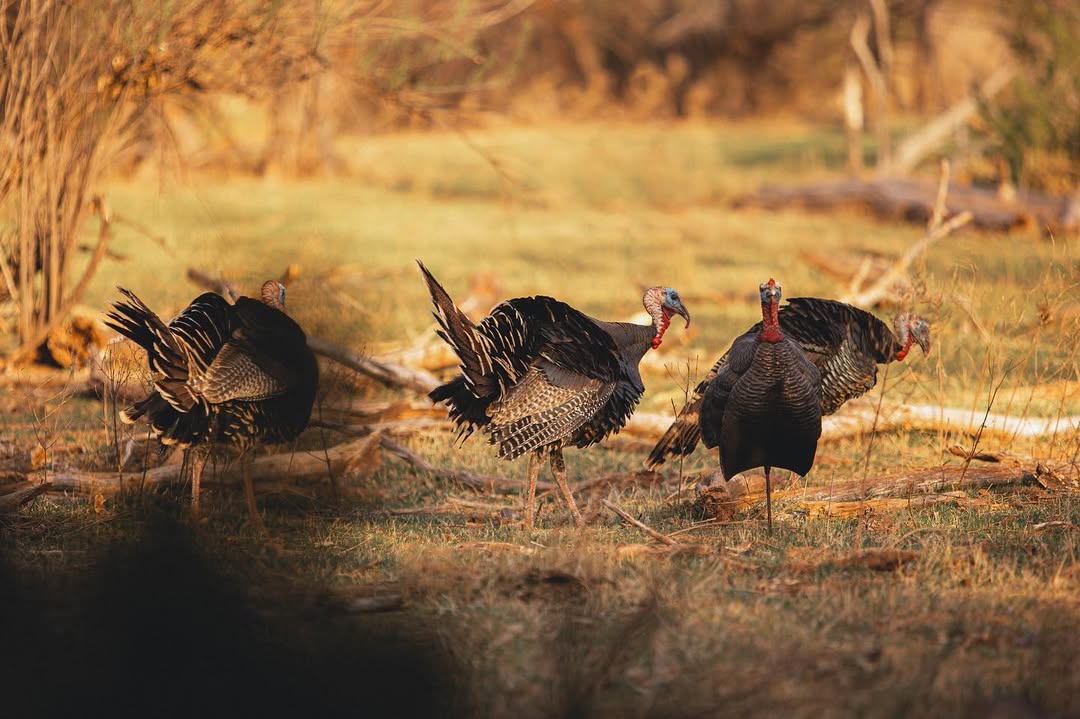
Successful turkey hunting is rarely about luck. More often, it comes down to understanding how wild turkeys move across the landscape and predicting where they will travel each day. One of the most valuable skills a hunter can develop is the ability to identify the routes turkeys use when moving between their nighttime roost sites and their daytime feeding areas.
These travel routes are not random. Wild turkeys tend to follow specific terrain features, natural corridors, and safe pathways that allow them to move efficiently while staying alert for predators. Hunters who learn to recognize these patterns can position themselves in high-probability areas without needing to chase birds across the woods.
Learning how to predict turkey travel routes gives you a strategic advantage long before the first call is ever made.
Understanding the Daily Movement of Wild Turkeys
Wild turkeys typically follow a predictable daily routine during the spring season. While the exact timing can vary depending on weather, hunting pressure, and breeding activity, most birds move through a similar sequence each day.
A typical daily pattern includes:
- Roosting in trees overnight
- Flying down shortly after sunrise
- Traveling toward feeding areas
- Loafing or strutting during mid-morning
- Feeding again in the afternoon
- Returning toward roost sites before sunset
The movement between roost and feeding areas is often where hunters have the best opportunity to intercept birds. By understanding how turkeys navigate the terrain, hunters can predict where these routes are most likely to occur.
Why Turkeys Follow Specific Travel Routes
Turkeys are cautious animals that rely heavily on both vision and awareness of their surroundings. As a result, they rarely travel through thick, unpredictable terrain if easier options are available.
Instead, turkeys prefer routes that offer:
- Clear visibility
- Gradual terrain changes
- Easy walking surfaces
- Access to food sources
These preferences create predictable travel corridors that birds may use repeatedly throughout the season.
Once you learn to recognize these natural pathways, predicting turkey movement becomes much easier.
Identifying Roost Locations First
Before predicting travel routes, hunters must first locate where turkeys are roosting.
Roost sites are usually found in areas that offer safety and elevation. Common roosting locations include:
- Large hardwood trees along ridges
- Trees near creek bottoms
- Timber edges bordering open fields
- Hillsides that overlook feeding areas
Turkeys often choose roost sites that allow them to fly down into relatively open ground where they can quickly assess their surroundings.
Once you identify a roost area, the next step is determining where birds are likely to travel after fly-down.
Locating Primary Feeding Areas
Wild turkeys spend a large portion of their day feeding. During spring, they search for protein-rich foods that help support breeding activity and egg production.
Common feeding areas include:
- Fresh green fields or pastures
- Agricultural fields with leftover grain
- Oak flats with acorns from the previous fall
- Open hardwood forests with insects and new plant growth
Turkeys prefer areas where food is abundant but visibility remains good.
If you locate both the roost site and the feeding area, the space between them often reveals the travel routes birds use each day.
Terrain Features That Guide Turkey Movement
Wild turkeys rarely move in straight lines across difficult terrain. Instead, they naturally follow features that make travel easier.
Several landscape features consistently guide turkey movement.
Ridge Tops
Ridge tops are some of the most common turkey travel routes. They offer excellent visibility and allow birds to detect predators from long distances.
Turkeys often move along ridges when traveling between roosting areas and feeding locations.
Logging Roads and Trails
Old logging roads and lightly used trails provide easy walking surfaces. Turkeys frequently follow these routes because they require less effort than moving through thick brush.
These roads also attract insects, making them natural feeding areas.
Field Edges
The boundary where woods meet open fields is a prime turkey corridor. Turkeys can feed in the open while quickly retreating into cover if danger appears.
These edge habitats often create predictable travel lanes.
Creek Bottoms
Creek bottoms provide water, insects, and soft soil that attracts scratching turkeys. Birds often follow these natural valleys when moving between different parts of their territory.
Reading Turkey Sign Along Travel Routes
One of the best ways to confirm a turkey travel route is by looking for physical evidence left behind by birds.
Several types of sign can reveal consistent movement patterns.
Tracks
Turkey tracks are easy to recognize once you know what to look for. Three forward-pointing toes create a distinct footprint in mud, sand, or soft soil.
Clusters of tracks along a ridge or trail often indicate regular travel activity.
Scratching
Turkeys scratch through leaves while searching for food. These scratch marks appear as small cleared patches where leaves have been pushed aside.
A series of scratch marks along a hillside or flat can reveal a feeding route.
Droppings
Droppings often accumulate in areas where birds spend time feeding or loafing. Fresh droppings help confirm recent turkey activity.
Feathers
Feathers found along travel corridors may indicate areas where birds frequently pass or strut.
Observing Movement from a Distance
Another effective way to identify travel routes is by simply watching turkeys move across the landscape.
Using binoculars from a distance, hunters can observe:
- Where birds fly down from the roost
- The direction they travel after sunrise
- Fields or openings where they feed
Even a single observation can reveal valuable clues about daily travel patterns.
Repeating these observations over several days often reveals consistent routes.
Considering Wind and Visibility
Turkeys rely heavily on their eyesight to detect danger. Because of this, they often travel in ways that maximize their ability to see and hear threats.
Wind direction can also influence how birds move through the landscape. Turkeys may choose routes that allow them to see downwind, helping them detect predators approaching from behind.
Hunters who understand these sensory advantages can better predict where birds will feel comfortable traveling.
Choosing Strategic Setup Locations
Once a likely travel route is identified, the next step is determining where to set up during the hunt.
Effective setup locations often include:
- Slight bends in ridge trails
- Narrow funnels between terrain features
- Field corners where birds enter or exit
- Open hardwood flats along travel corridors
These spots allow hunters to intercept birds naturally moving between roosting and feeding areas.
The key is positioning yourself along the route, rather than trying to pull birds away from it.
Avoiding Common Mistakes
Many hunters struggle with turkey movement simply because they focus only on where birds roost or feed. While these locations are important, the travel route between them is often where the best opportunities occur.
Common mistakes include:
- Setting up too close to the roost tree
- Ignoring terrain features that guide movement
- Calling birds away from their natural travel direction
Understanding the bigger movement pattern often leads to far more consistent success.
Final Thoughts
Predicting turkey travel routes between roost and feeding areas is one of the most valuable skills a hunter can develop. By understanding turkey behavior, studying terrain features, and recognizing natural travel corridors, hunters can position themselves in the path of birds before they ever make a call.
Wild turkeys move through the landscape with purpose, following routes that offer safety, visibility, and easy access to food. Hunters who learn to recognize these patterns gain a significant advantage during the spring season.
Instead of chasing gobblers across the woods, smart hunters simply place themselves where the birds are already planning to go.
