
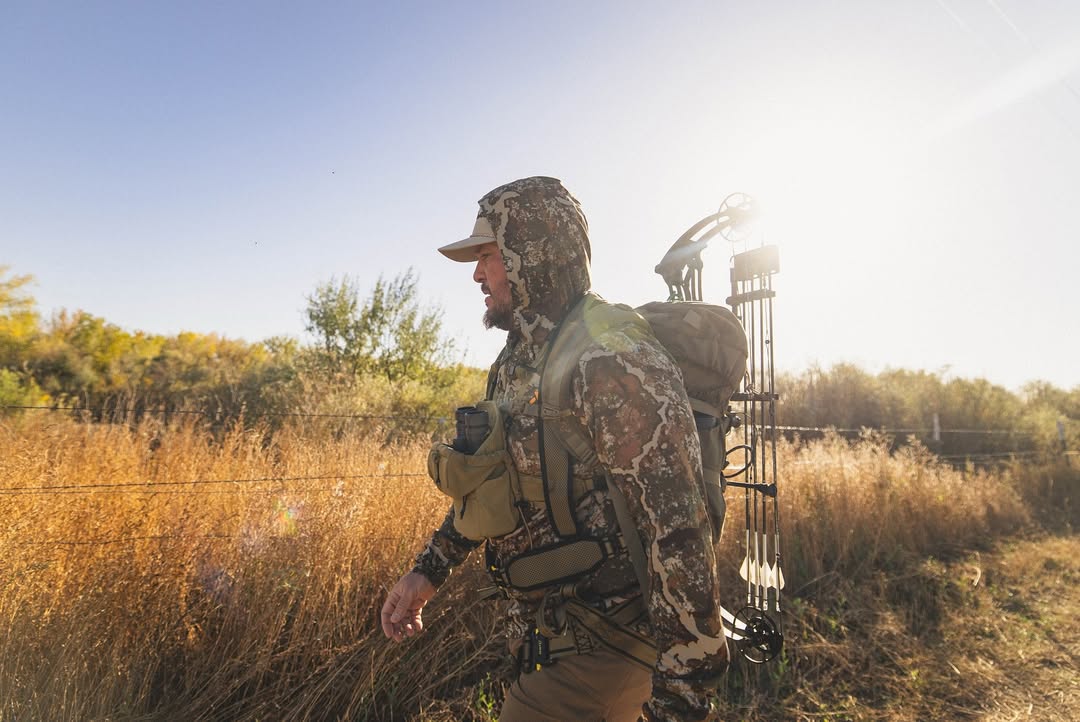
Early spring presents a unique opportunity for hunters and wildlife observers. As snow melts and the first signs of spring emerge, deer begin moving more actively in search of food and optimal bedding sites. One of the most overlooked indicators of deer movement during this transitional period is mud patterns. Properly interpreting these subtle signs can give hunters a strategic advantage, allowing them to locate high-traffic corridors, feeding areas, and bedding zones before vegetation conceals them again.
Why Mud Patterns Matter
During late winter and early spring, deer move cautiously to conserve energy. Snow melt and wet ground conditions concentrate their paths, often leaving noticeable impressions in muddy areas. Unlike tracks in deep snow that can scatter or fade quickly, mud patterns persist longer, providing clues about repeated deer activity and habitual routes.
Key benefits of using mud as a tracking tool:
- Reveals frequent travel lanes that may not be obvious under snow or dense vegetation.
- Indicates herd size and composition, as multiple prints in a concentrated area suggest group movement.
- Shows preferred crossing points, such as shallow streambeds, ridges, or narrow corridors.
Identifying Deer Mud Patterns
When scouting, hunters should look for the following signs:
1. Trail Impressions
- Deer repeatedly use the same paths, compressing mud into narrow, linear trails.
- The depth and width of impressions indicate deer size and frequency of use.
2. Hoof Drag Marks
- Hooves often drag through soft mud, leaving elongated imprints or slight ridges on trail edges.
- These subtle features are best observed in freshly thawed, soft ground.
3. Wallows and Footprint Clusters
- Early-season wallows or mud patches may double as feeding or rubbing areas.
- Concentrated footprints around these spots suggest high deer activity.
4. Cross-Path Indicators
- Areas where multiple lanes intersect often become strategic feeding or bedding corridors.
- Look for deeper mud or overlapping tracks at these junctions.
Terrain Features That Influence Mud Patterns
Certain environmental features naturally shape where mud accumulates and, consequently, where deer travel:
- Stream and Creek Edges – Soft banks create clear paths where deer move between water and bedding areas.
- Low-Lying Depressions – Water collects in hollows, concentrating movement along firmer edges.
- Transition Zones – Forest edges, open fields, and thawed clearings channel deer into predictable lanes.
- Logging Roads and Trails – Mud along these human-made paths often shows repeated deer use.
Timing Is Everything
Observing mud patterns too late in the spring can reduce their usefulness:
- Immediately after snow melt is ideal because prints and trails are freshest.
- Warm, sunny days accelerate snow melt, exposing more mud and revealing hidden lanes.
- Early mornings or evenings are optimal for observing fresh deer activity without spooking wildlife.
Applying Mud Observations to Hunting
- Stand Placement
- Place tree stands or ground blinds along or near visible mud lanes.
- Focus on pinch points, such as narrow ridges or stream crossings, where deer are funneled.
- Trail Cameras
- Position cameras on muddy trails to track movement, herd size, and species frequency.
- Compare patterns over multiple days to determine peak activity periods.
- Route Planning
- Use mud pattern observations to plan quiet approaches and minimize human disturbance.
- Identify alternate routes to bedding and feeding areas without alerting deer.
- Predicting Spring Shift
- Mud patterns often reveal where deer will move once green-up occurs.
- Observing early trails allows hunters to anticipate shifts in feeding locations and corridors.
Common Mistakes to Avoid
- Ignoring shallow or subtle mud trails, assuming deer are inactive.
- Overlooking terrain features that naturally funnel deer into less obvious routes.
- Failing to scout early; once green-up occurs, trails may be hidden under new vegetation.
- Disturbing the area while observing, which can reset deer behavior patterns.
Pro Tips for Early Spring Mud Tracking
- Use polarized sunglasses to detect subtle mud depressions and reflections.
- Carry a small measuring tool to record track sizes and lane width for identifying bucks versus does.
- Mark lanes with GPS or flags for future reference.
- Combine mud observations with other indicators like rubs, scrapes, and early forage to create a complete movement map.
Conclusion
Early spring mud patterns offer hunters a rare glimpse into deer movement before green-up hides trails. By paying attention to hoof prints, wallows, and compressed lanes, hunters can identify high-traffic corridors, feeding zones, and bedding area access points. Proper interpretation of these patterns not only improves stand placement and scouting efficiency but also sets the foundation for a productive spring hunting season.
