
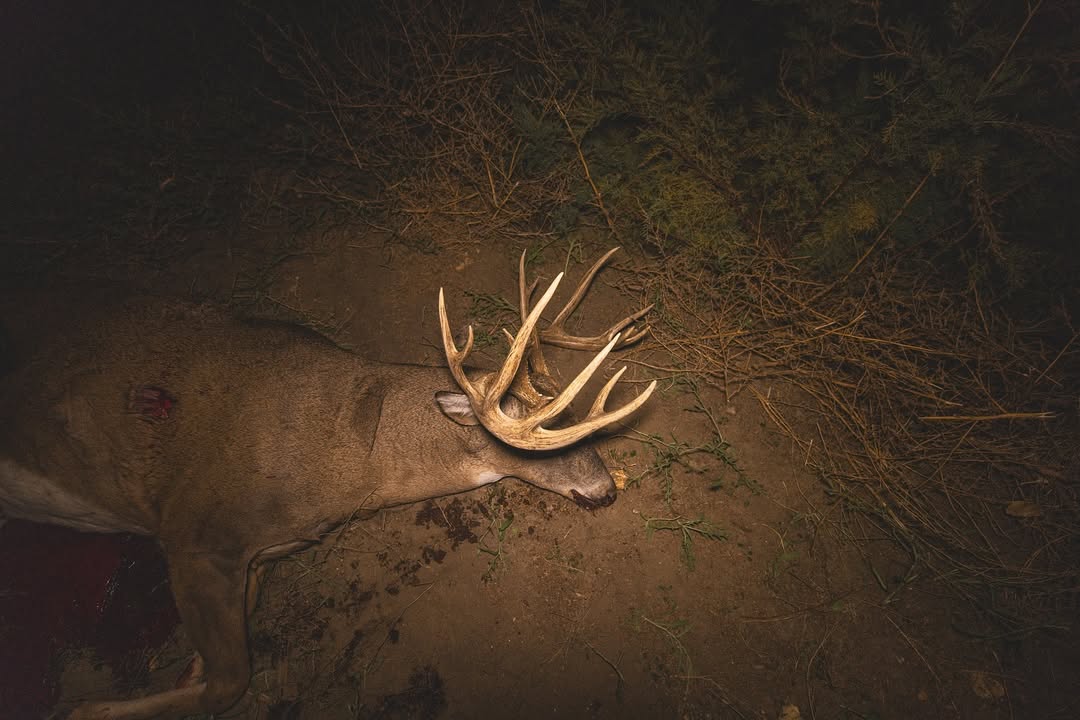
Early spring is a critical period for hunters who want to get ahead of the game. As snow begins to melt, deer travel patterns that were once hidden beneath winter’s blanket of white suddenly become visible. Recognizing these early spring travel lanes can give hunters a decisive edge, allowing them to plan stand placements, ambush points, and observation routes long before the foliage conceals trails again.
Understanding how to interpret these exposed lanes requires attention to terrain, deer behavior, and seasonal environmental changes. Here’s a detailed guide for spotting and analyzing deer travel lanes during early snow melt.
Why Early Snow Melt Reveals Deer Lanes
During winter, deer minimize movement to conserve energy. They stick close to bedding areas and food sources, often moving along hidden or lightly used paths. Once snow begins to melt:
- Trails become imprinted in muddy patches.
- Ice-free areas expose footprints, scrape marks, and rubs.
- Early green shoots attract deer, concentrating movement along predictable routes.
These exposed travel lanes provide a unique opportunity to see patterns that will later be obscured by spring foliage.
Key Signs of Deer Travel Lanes
- Footprints in Mud or Snow Melt
- Track spacing can indicate the size and speed of the deer.
- Repeated tracks in the same area suggest a frequently used route.
- Bedded Areas Adjacent to Trails
- Deer often bed close to travel lanes.
- Look for flattened grass or depressions near streams or forest edges.
- Rubs and Scrapes
- Early antler rubs can indicate dominant bucks.
- Scrapes near trails suggest active movement corridors.
- Browse Signs Along Paths
- Twigs and buds clipped along a narrow route often mark habitual travel lanes.
- Fresh feeding damage during early spring can reveal preferred corridors.
Terrain Features That Concentrate Deer Movement
Certain land features naturally funnel deer traffic, especially as snow recedes:
- Ridges and Spine Lines
Provide high, dry ground and often serve as corridors between bedding and feeding areas. - Stream Crossings and Drainages
Melted snow exposes shallow banks and crossing points, which deer use repeatedly. - Edge Habitats
Transition zones between thick cover and open forage often reveal travel patterns. - Fence Lines and Logging Roads
Deer will use these as convenient, low-resistance paths, especially when surrounding terrain is wet.
Timing and Conditions Matter
- Right after snow starts melting: Tracks are fresh, and movement is easier to observe.
- Early morning or late evening: Deer are more active near bedding areas, leaving clear lane impressions.
- Following warm, sunny days: Snow melt accelerates, exposing more trails and concentrating deer near early green forage.
Observing lanes too late can result in missed opportunities, as they may become covered by new vegetation or disrupted by other wildlife.
How to Use Travel Lane Observations for Hunting
- Stand Placement
- Place tree stands or ground blinds along or near heavily used lanes.
- Focus on pinch points where terrain funnels deer.
- Trail Cameras
- Set up cameras along exposed lanes to track timing, group size, and individual deer movement.
- Route Planning
- Use visible lanes to plan quiet approaches, minimizing disturbance to deer.
- Anticipating Spring Shifts
- Early lane patterns often indicate where deer will move once foliage returns.
- Observing now helps identify future hotspots for feeding, bedding, and rut activity.
Mistakes Hunters Often Make
- Ignoring subtle tracks in muddy areas, assuming deer are elsewhere.
- Placing stands too far from the lane or in thick cover where lanes aren’t visible.
- Waiting too long to scout; early lanes may disappear under new growth or wet conditions.
Seasonal Benefits of Early Lane Scouting
- Improved knowledge of herd movement before other hunters arrive.
- Ability to identify key bucks and mature deer early.
- Maximized success during spring hunts by understanding natural deer corridors.
- Reduced disturbance, allowing deer to maintain habitual patterns.
Practical Tips
- Walk the area lightly, avoiding high-traffic lanes during daylight.
- Use polarized sunglasses to see subtle depressions and water reflections in the snow melt.
- Document lane locations with GPS or a field map for future reference.
- Combine lane observations with topography and forage availability for a complete early-season scouting plan.
Final Thoughts
Early snow melt is more than a sign of changing seasons—it’s a hunter’s window into hidden deer patterns. By observing exposed travel lanes, hunters can gain critical insights into deer movement before spring foliage obscures them. Proper interpretation of tracks, rubs, and terrain features allows for informed stand placement, better trail camera strategies, and ultimately, a higher chance of success throughout the spring hunting season.
