
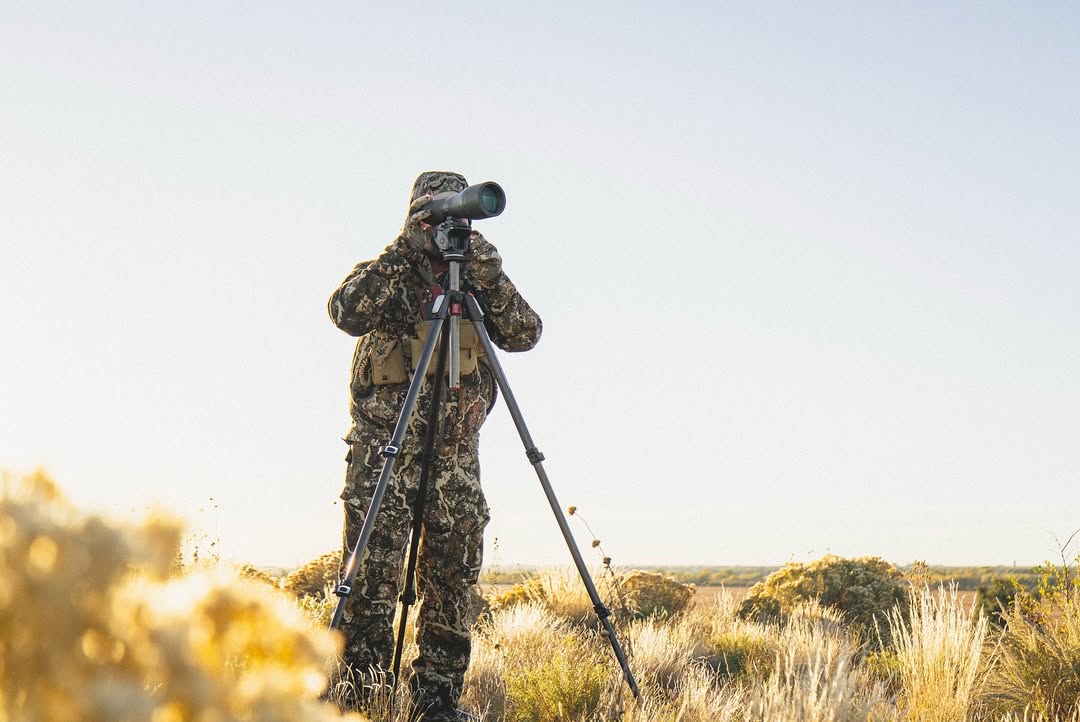
Finding a high-impact stand location is one of the most important decisions a whitetail hunter makes all year. The right tree in the right spot can put you within range of a mature buck. The wrong move—especially during scouting—can push deer into nocturnal patterns or shift their core area entirely.
The challenge is clear: how do you identify high-impact stand locations without alerting the very deer you’re trying to hunt?
Success comes down to timing, terrain analysis, low-impact scouting, and disciplined access planning. When done correctly, you can gather critical information while keeping deer movement natural and undisturbed.
What Makes a Stand Location “High-Impact”?
A high-impact stand location is a spot that:
- Intercepts consistent deer movement
- Forces predictable travel patterns
- Offers a shot opportunity within bow or ethical rifle range
- Minimizes human detection
These locations are typically tied to natural terrain features or seasonal transitions—not random trail crossings.
The key is identifying areas deer must use rather than areas they simply may pass through.
Scout When Pressure Is Lowest
The best time to locate stand sites without spooking deer is during:
- Late winter
- Early spring before green-up
- Immediately after season closes
During this window:
- Hunting pressure is gone
- Vegetation is sparse
- Sign is still visible
- Deer patterns are more relaxed
You can analyze last season’s movement without intruding during active hunting months.
Avoid aggressive in-season scouting unless absolutely necessary.
Focus on Terrain Features, Not Just Sign
Fresh tracks and droppings are helpful—but terrain tells a longer story.
High-impact stand sites often occur where terrain naturally funnels deer:
1. Pinch Points
Narrow strips of timber between open fields, water, or steep slopes.
2. Saddles
Low dips in ridge lines that deer prefer for easier travel.
3. Inside Corners
Field edges that create natural direction changes.
4. Creek Crossings
Shallow, consistent crossing points between bedding and feeding.
5. Ridge Spurs and Benches
Side-hill shelves that allow deer to travel with security and wind advantage.
Terrain-based setups are more reliable year after year because landscape doesn’t change as quickly as food sources.
Read Sign Without Walking Through Bedding Areas
One of the biggest mistakes hunters make is pushing too deep into bedding cover while scouting.
Instead:
- Observe bedding edges, not cores.
- Identify entry and exit trails.
- Look for heavy tracks leaving cover at natural funnels.
- Study wind direction relative to bedding orientation.
You can learn far more by identifying how deer exit bedding than by walking through it.
Keep intrusion minimal.
Use Observation Stands Strategically
If you must scout closer to season, set up observation sits:
- Hunt from a distance overlooking feeding areas.
- Glass travel routes at last light.
- Watch how deer enter and exit fields.
Observation hunts allow you to gather data without burning prime stand locations prematurely.
This is especially valuable during early season patterns.
Plan Entry and Exit Routes Before Hanging a Stand
Even the best stand location fails if deer detect your approach.
Before finalizing a spot:
- Map your access route.
- Avoid crossing primary trails.
- Use terrain dips to stay concealed.
- Plan for both morning and evening winds.
High-impact stands often sit close to bedding or staging areas—meaning your access must be flawless.
If you cannot enter and exit cleanly, reconsider the setup.
Use Wind to Your Advantage
Mature bucks rely heavily on wind security. The best stand locations:
- Force deer to quarter into a crosswind
- Allow you to set up just off their preferred wind-check line
- Keep your scent blowing into low-traffic zones
Avoid setups where swirling winds are common, such as unpredictable hollows or tight timber pockets.
Consistent wind predictability equals repeatable success.
Minimize Ground Disturbance
When hanging stands:
- Wear rubber boots
- Avoid breaking large branches
- Limit trimming to shooting lanes only
- Stay off heavily used trails
Excessive trimming or scent contamination can alter deer movement long before season opens.
Keep changes subtle.
Consider Seasonal Movement Shifts
High-impact locations shift slightly throughout the season:
- Early Season: Focus on food-to-bedding transitions.
- Pre-Rut: Target travel corridors between doe bedding areas.
- Rut: Hunt downwind of high-traffic doe concentrations.
- Late Season: Key in on thermal cover near food sources.
Identifying stand sites during spring allows you to plan for each phase without rushing in October.
Trail Cameras Without Overpressure
Trail cameras are powerful tools—but they can increase intrusion if checked too frequently.
Best practices:
- Place cameras on travel corridors, not directly over bedding.
- Use cellular cameras where possible.
- Check traditional cameras sparingly.
- Hang cameras during low-impact months.
Data is valuable—but only if deer remain unaware.
Why Low-Impact Scouting Matters for Mature Bucks
Younger deer tolerate pressure more easily. Mature bucks do not.
Repeated human intrusion can cause:
- Daylight movement reduction
- Core area shifts
- Increased nocturnal behavior
- Avoidance of specific access routes
By limiting disturbance during scouting, you protect the very patterns you intend to hunt.
Putting It All Together
To identify high-impact stand locations without spooking deer:
- Scout during low-pressure months.
- Prioritize terrain over temporary sign.
- Avoid penetrating bedding cores.
- Plan clean access routes.
- Set up with wind strategy in mind.
- Keep habitat disturbance minimal.
Patience during scouting often determines success during season.
Final Thoughts
The goal of scouting isn’t simply to find deer—it’s to understand how they move naturally without your influence.
High-impact stand locations are not discovered through aggressive intrusion. They’re identified through careful observation, terrain analysis, and disciplined restraint.
If you can gather information while keeping deer unaware, you enter hunting season with a strategic advantage.
In whitetail hunting, sometimes the smartest move is the one deer never realize you made.
