
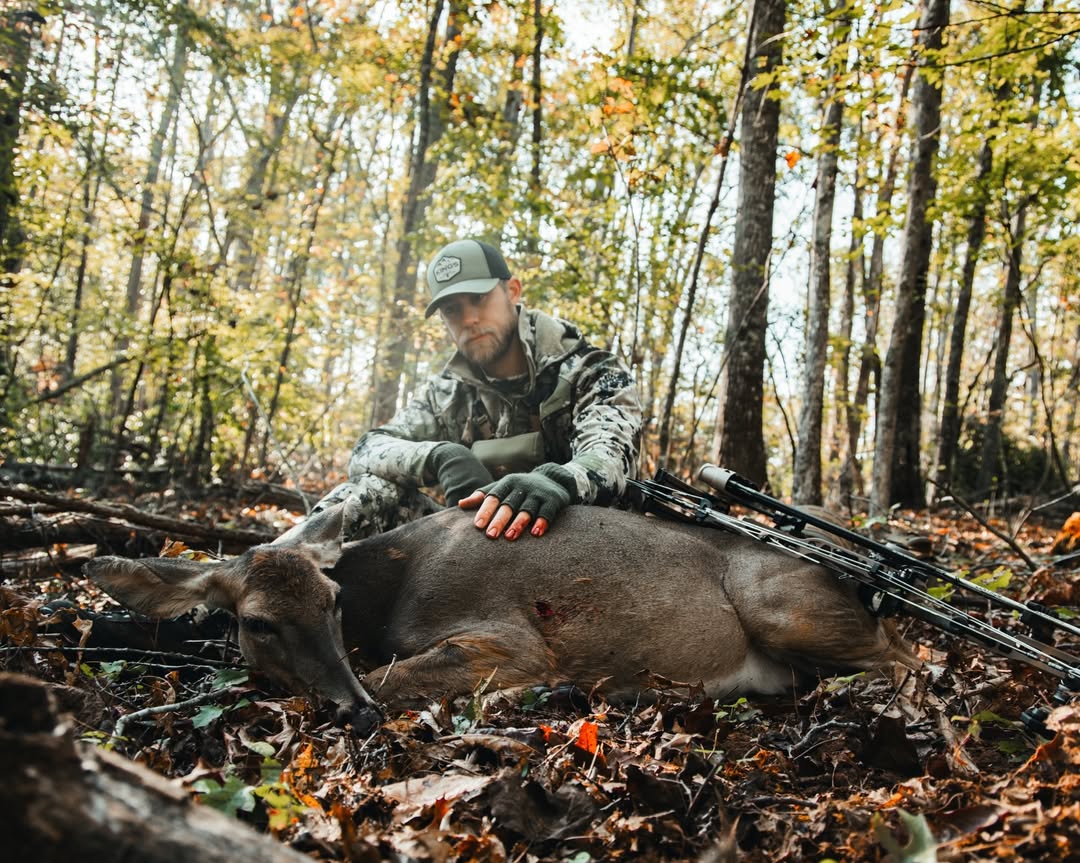
Early spring—before green-up transforms the woods—is one of the most strategic times of year for serious whitetail hunters. With vegetation still down, last season’s sign exposed, and deer movement patterns relatively undisturbed, this narrow window offers a rare opportunity: identifying mature buck core areas before the landscape resets.
If you want consistent encounters with older bucks next fall, you must understand where they truly live—not just where they occasionally travel during the rut. This article breaks down how to locate mature buck core areas before spring foliage hides critical evidence.
What Is a Mature Buck Core Area?
A mature buck’s core area is not his entire home range. It is the smaller, high-security portion of that range where he:
- Beds most frequently
- Spends daylight hours
- Feels the safest
- Minimizes exposure to pressure
For older bucks, especially 4.5 years and older, core areas are typically:
- Difficult to access
- Downwind of human intrusion
- Terrain-secured
- Visually shielded
Finding these zones requires reading terrain and sign together—not relying on food sources alone.
Why Before Green-Up Is the Best Time
Before leaves return and understory vegetation thickens:
- Bedding depressions are visible
- Rub lines from fall remain intact
- Trails are exposed
- Sightlines allow you to evaluate terrain advantage
- Shed antlers may confirm buck presence
Once green-up begins, visibility drops dramatically. Trails disappear under growth. Subtle terrain features become harder to interpret.
Spring gives you clarity without hunting pressure altering behavior.
Step 1: Eliminate Food-Driven Bias
Most hunters overemphasize feeding areas. Mature bucks, especially outside the rut, prioritize security over nutrition.
Instead of starting at food sources, begin with:
- Remote terrain features
- Thick regeneration areas
- Leeward ridge systems
- Swamp edges
- Overlooked interior cover
Food changes seasonally. Security does not.
Step 2: Focus on Terrain That Creates Advantage
Mature bucks rely heavily on terrain to survive. Look for locations that offer:
Leeward Ridge Points
Bucks often bed on the downwind side of ridges where thermals and prevailing winds give them scent coverage from multiple directions.
Elevated Knobs With Escape Routes
Small rises surrounded by thicker cover allow visibility while maintaining quick exit options.
Benches on Sidehills
Benches create natural travel and bedding platforms with terrain protection above and below.
Isolated Cover Pockets
Small patches of dense brush inside larger timber are often overlooked and ideal for core bedding.
In early spring, these terrain features are far easier to analyze without leaf cover blocking perspective.
Step 3: Look for Repeated Bedding Sign
A true core area shows consistency.
Search for:
- Multiple oval bedding depressions
- Hair left in beds
- Droppings concentrated in small zones
- Rubs within 30–50 yards of bedding
- Trails radiating outward like spokes
Single beds may indicate occasional use. Clusters suggest habitual residence.
If beds are positioned to monitor downwind access routes, you’re likely in mature buck territory.
Step 4: Identify Historical Rub Lines
Rub lines near bedding areas are critical clues.
In early spring, last season’s rubs remain visible and:
- Often parallel bedding edges
- Mark preferred travel exits
- Connect bedding to staging areas
Mature bucks frequently reuse similar travel corridors year after year if terrain advantage remains intact.
When you see consistent rubs along sidehill routes leading from thick cover, you’re closing in on a core area.
Step 5: Analyze Human Access Pressure
Mature bucks position core areas based on where hunters typically approach from.
Ask yourself:
- Where are parking areas?
- Which edges are easiest to walk?
- Where do most hunters likely set up?
Core areas are often:
- Downwind of common access
- Across difficult terrain
- Past natural barriers like creeks or steep drops
If it feels slightly inconvenient to reach, that’s often a good sign.
Step 6: Follow Exit Trails to Confirm Boundaries
Once you suspect a core area, follow major trails outward.
You’ll often find:
- Transition corridors leading to staging zones
- Secondary bedding areas
- Escape routes toward deeper security
Mapping both entry and exit trails helps define the boundaries of the core zone.
Do not over-intrude. Confirm and exit quietly.
Shed Antlers as Confirmation
Shed antlers found within tight terrain clusters strongly suggest a buck spent significant time there.
While sheds alone don’t guarantee a core area, multiple sheds across years in the same zone are powerful confirmation.
Spring is prime time for this discovery.
Common Mistakes When Searching for Core Areas
Avoid these pitfalls:
- Scouting too aggressively and overpressuring security zones
- Confusing rut travel corridors with core areas
- Ignoring subtle terrain advantages
- Overvaluing food sources in early spring
- Failing to account for prevailing wind direction
Core areas are built on safety, not convenience.
Turning Spring Intel Into Fall Success
Once identified, mark core areas with discipline.
For fall strategy:
- Avoid setting stands directly in bedding zones
- Hunt travel edges 50–100 yards downwind
- Use terrain funnels between core areas
- Save interior intrusion for peak rut or ideal wind days
The goal is interception—not disruption.
Why Mature Bucks Rarely Abandon Core Terrain
While food and seasonal behavior shift, mature bucks often reuse similar core terrain year after year if:
- Hunting pressure patterns remain consistent
- Habitat structure doesn’t drastically change
- Security cover remains intact
That makes early spring scouting one of the highest-return investments you can make as a whitetail hunter.
Final Thoughts
Finding mature buck core areas before spring green-up is about reading the woods when they are most honest.
No foliage to hide trails.
No hunting pressure altering movement.
No summer food distractions.
Just terrain, security, and leftover sign.
If you take the time now to identify where a mature buck feels safest, you won’t be guessing when fall arrives—you’ll be hunting with precision.
Because mature bucks don’t disappear.
They simply live where most hunters never look.
