
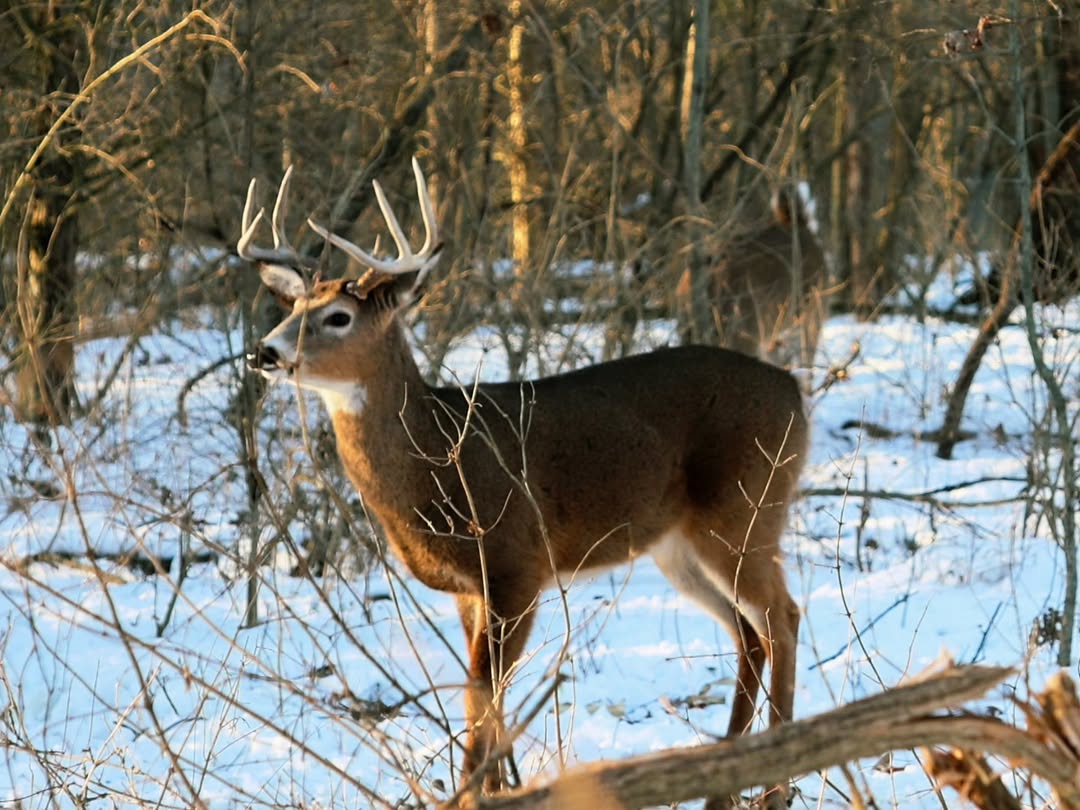
As winter loosens its grip and snow begins to melt across the landscape, deer enter one of the most important transitional periods of the entire year. For hunters, land managers, and wildlife observers, this is a time when deer movement patterns—especially bedding locations—begin to change dramatically. These shifts are not random. They are driven by survival needs, energy conservation, food availability, and environmental conditions.
Understanding why deer bedding areas shift during the snowmelt period can give hunters a powerful advantage—not just for spring scouting, but for predicting deer behavior months later during fall hunting season.
This article breaks down the biological, environmental, and strategic reasons behind these bedding shifts and explains how you can use this knowledge to identify high-probability deer areas.
Winter Bedding vs. Spring Transition Bedding: Understanding the Difference
During peak winter conditions, deer prioritize survival above all else. Their bedding choices reflect this priority.
Winter bedding areas are typically selected based on:
- Protection from wind
- Access to nearby food
- Thermal cover to conserve body heat
- Minimal movement to conserve energy
These areas often include:
- Dense conifer stands
- Thick south-facing slopes
- Heavy brush or cedar swamps
- Areas protected from prevailing north and west winds
However, as snow melts, the environmental pressures that dictated these winter bedding choices begin to change.
Deer no longer need maximum thermal protection. Instead, they begin shifting toward areas that support recovery, nutrition, and gradual expansion into spring and summer ranges.
The Primary Trigger: Energy Recovery After Winter Stress
Winter is extremely demanding on deer. Throughout the cold months, deer burn more calories than they consume, often losing significant body weight.
By late winter and early spring, their primary goal becomes rebuilding strength and restoring fat reserves.
This need directly affects bedding location.
Deer begin selecting bedding areas that are:
- Closer to emerging food sources
- Positioned near early green vegetation
- Located in areas that allow safe movement to feeding zones
Instead of bedding deep in thermal cover, deer start bedding closer to feeding areas that reduce travel distance and energy expenditure.
This shift marks the beginning of spring pattern changes.
Snow Depth and Mobility Play a Major Role
Deep snow restricts deer movement. It increases energy expenditure and limits access to food.
As snow begins to melt, mobility improves dramatically.
This allows deer to:
- Expand their movement range
- Access areas that were previously unreachable
- Explore new bedding locations closer to food and water
You may begin to see deer bedding in places that were inaccessible during peak winter, such as:
- Edge habitats
- Transition zones between timber and open areas
- Early regrowth zones
- South-facing hillsides with exposed ground
These areas provide better feeding access and require less energy to navigate.
South-Facing Slopes Become Prime Bedding Locations
One of the first places snow melts is on south-facing slopes. These slopes receive the most sunlight, causing faster warming and earlier ground exposure.
This creates several advantages for deer:
- Warmer ground temperatures
- Earlier plant growth
- Reduced snow depth
- Increased comfort and reduced heat loss
Because of this, deer frequently shift bedding to south-facing slopes during early melt periods.
These areas allow deer to conserve energy while remaining close to emerging food sources.
For hunters, south-facing slopes are some of the most reliable areas to scout during late winter and early spring.
Food Availability Drives Bedding Decisions
As winter ends, new food sources begin to appear. These include:
- Early green shoots
- Forbs and grasses
- Emerging agricultural fields
- Browse from shrubs and young trees
Deer instinctively position bedding areas closer to these food sources.
This reduces travel distance and energy use while allowing deer to feed more frequently.
Instead of traveling long distances between bedding and feeding, deer begin bedding in strategic locations that provide quick and safe access to nutrition.
These bedding shifts often occur gradually over several weeks.
Security Still Matters: Deer Don’t Abandon Cover Completely
Even as temperatures rise, deer still require security.
They avoid bedding in completely open areas. Instead, they choose locations that balance:
- Visibility
- Escape routes
- Nearby cover
- Proximity to food
Common early spring bedding areas include:
- Edge cover near feeding zones
- Transition lines between thick cover and open terrain
- Elevated terrain that provides visibility
- Brushy ridges and hillsides
These locations provide safety while supporting recovery and feeding needs.
Reduced Yard Behavior and Expansion Into Spring Ranges
In northern regions, deer often concentrate in “yarding areas” during winter. These are dense cover areas where deer gather to survive harsh conditions.
As snow melts, deer gradually leave these yarding areas.
They begin spreading out and returning to spring and summer home ranges.
This movement creates new bedding patterns.
Hunters who identify these early transition routes can uncover critical information about:
- Future travel corridors
- Bedding preferences
- Core home range areas
These patterns often remain consistent year after year.
How Hunters Can Use This Information to Predict Fall Bedding Areas
Early spring is one of the best times to identify future fall bedding zones.
This is because:
- Vegetation is still sparse
- Visibility is excellent
- Deer sign is fresh and easy to see
- Human pressure is minimal
Look for signs such as:
- Fresh beds in exposed areas
- Concentrated droppings
- Tracks moving between bedding and feeding zones
- Shed antlers in transition areas
These areas often represent core movement zones that deer will continue using later in the year.
Understanding these patterns allows hunters to plan stand locations months in advance.
Terrain Features That Commonly Attract Early Spring Bedding
Certain terrain features consistently attract deer during snowmelt transitions:
South-facing slopes: Warm and snow-free first
Edge habitats: Provide both food and cover
Ridge sides: Offer security and visibility
Transition zones: Connect bedding and feeding areas
Elevated terrain: Provides safety and wind advantage
These locations balance energy conservation, security, and feeding efficiency.
Why Bedding Shifts Happen Gradually, Not Instantly
Deer do not suddenly abandon winter bedding areas overnight.
Instead, bedding shifts occur gradually as conditions improve.
Factors influencing timing include:
- Snow depth
- Temperature trends
- Food availability
- Human pressure
- Habitat structure
This gradual shift creates predictable movement patterns.
Hunters who monitor these transitions carefully can identify the exact routes deer use during seasonal changes.
How This Knowledge Improves Long-Term Hunting Success
Understanding early spring bedding shifts provides long-term strategic advantages.
Hunters can:
- Identify future stand locations
- Map travel corridors
- Locate core bedding zones
- Predict fall movement patterns
- Reduce scouting pressure during hunting season
Many of the best fall stand locations are discovered during spring scouting—not during hunting season itself.
Final Thoughts: Snowmelt Reveals the Future of Deer Movement
When snow begins to melt, deer enter a recovery phase that reshapes their bedding behavior. They move away from deep winter thermal cover and begin selecting bedding locations closer to food, warmer terrain, and safer travel routes.
These shifts are driven by survival, energy recovery, and environmental changes—not randomness.
For hunters and land managers, early spring provides a rare opportunity to observe these changes clearly. By understanding where deer choose to bed during snowmelt, you gain valuable insight into their long-term movement patterns.
The information gathered now can directly influence your success next fall.
The snow may be disappearing—but the clues it reveals are some of the most valuable of the entire year.
