
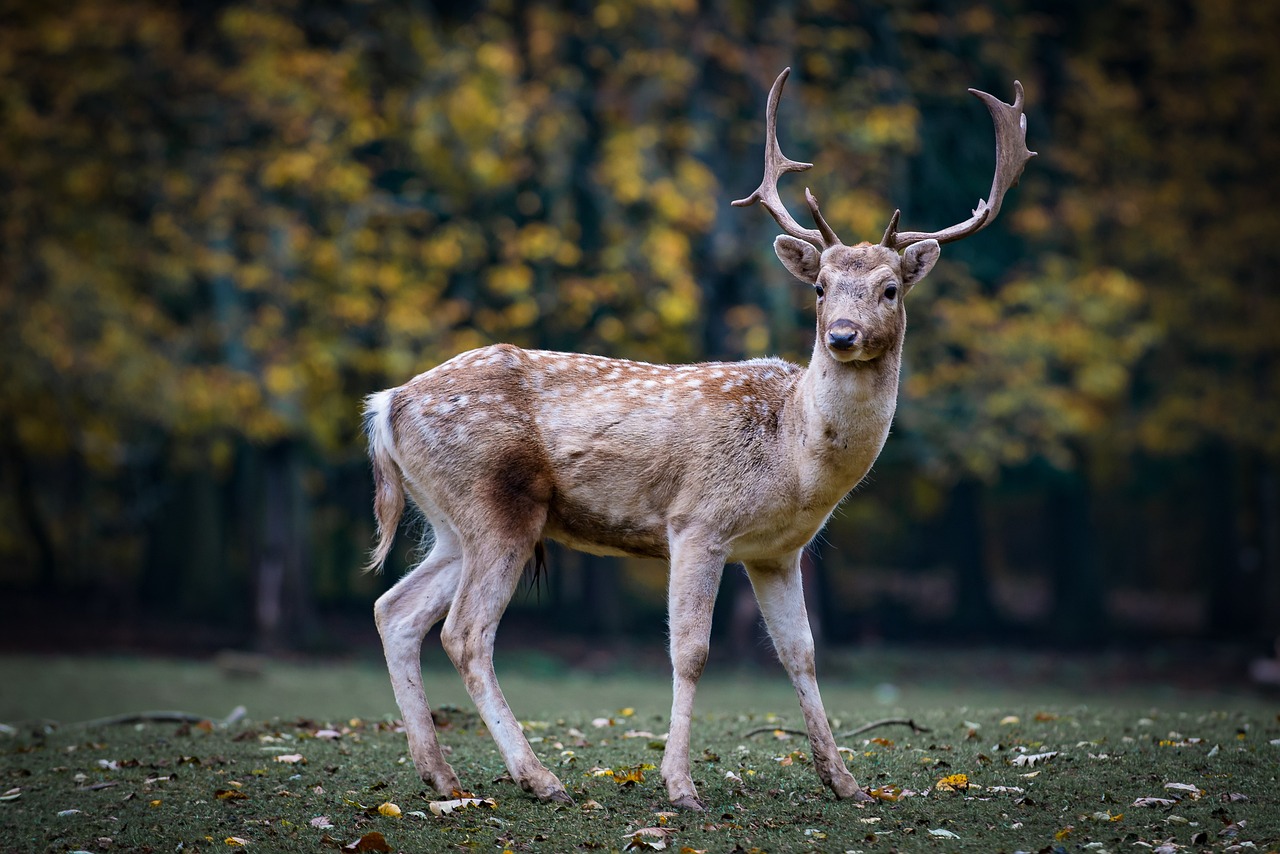
Seasonal transitions represent some of the most important—and most misunderstood—periods in a deer’s annual cycle. As winter fades and spring begins, whitetail deer don’t simply move more—they change where they rest, where they feed, and how they use the landscape. One of the most significant yet overlooked adjustments is the shift in bedding locations.
Understanding why deer relocate their bedding areas during seasonal transition provides critical insight into deer behavior, habitat use, and long-term movement patterns. These bedding changes are driven by a combination of survival needs, food availability, security, temperature regulation, and environmental conditions.
Bedding Location Is Always About Energy Conservation and Survival
For deer, bedding is not random. Bedding locations are carefully chosen to balance three essential needs:
- Security from predators and disturbance
- Proximity to food sources
- Energy conservation
During winter, deer prioritize survival above all else. They bed in areas that reduce exposure to wind, conserve body heat, and minimize unnecessary movement.
As spring approaches, these priorities begin to shift.
Deer are no longer focused solely on surviving cold temperatures—they begin focusing on rebuilding strength and accessing nutrition efficiently.
This change drives bedding relocation.
Food Availability Is the Primary Driver of Bedding Shifts
The single biggest reason deer change bedding locations during seasonal transition is food availability.
In winter, deer often bed near:
- Dense thermal cover
- Conifer stands
- South-facing slopes with wind protection
These areas provide shelter but often lack abundant food.
In early spring, new vegetation begins growing in different locations, especially:
- Field edges
- South-facing slopes
- Open hardwood ridges
- Wetland edges
- Agricultural fields
As these food sources emerge, deer move their bedding areas closer to them.
This reduces travel distance and conserves energy during recovery.
Deer Follow the First Emerging Green Growth
The earliest spring vegetation does not grow evenly across the landscape. Certain areas warm faster and produce food earlier.
These areas include:
- South-facing slopes
- Open clearings
- Areas with high sun exposure
- Field edges
- Recently disturbed ground
Deer often relocate bedding areas closer to these early food zones.
This allows deer to feed frequently without long-distance movement.
Energy efficiency remains a critical priority after winter.
Thermal Needs Change as Temperatures Rise
Winter bedding focuses on warmth. Spring bedding focuses on comfort and temperature regulation.
In winter, deer select bedding areas that:
- Block wind
- Retain heat
- Provide insulation
In spring, these same areas can become too warm.
As temperatures rise, deer shift bedding locations to areas that offer:
- Better airflow
- Cooler ground
- Shade during warmer afternoons
Common spring bedding locations include:
- Open hardwood areas
- North-facing slopes
- Elevated ridges
- Areas with moderate cover
These locations help deer regulate body temperature as seasonal conditions change.
Snow Melt Opens New Bedding Opportunities
Snow depth limits where deer can comfortably bed during winter.
Deep snow makes movement difficult and increases energy expenditure.
As snow melts, deer gain access to areas that were previously unusable.
These newly available areas often offer:
- Better visibility
- Improved escape routes
- Closer proximity to food
This expands bedding options significantly.
Deer naturally redistribute across the landscape as mobility improves.
Security Cover Requirements Change With Visibility
In winter, deer rely on dense cover for protection.
However, as spring progresses and vegetation has not fully grown yet, deer must balance security with visibility.
Early spring bedding areas often provide:
- Clear sight lines
- Moderate cover
- Quick escape routes
Deer prefer areas where they can detect danger early rather than relying solely on thick concealment.
This allows them to react quickly to threats.
Deer Shift Bedding Closer to Feeding Areas During Recovery
After winter, deer need to feed more frequently to rebuild fat reserves and muscle.
Long travel distances between bedding and feeding areas increase energy expenditure.
To reduce this cost, deer relocate bedding areas closer to reliable food sources.
This allows deer to:
- Feed more often
- Conserve energy
- Recover faster
Shorter travel distances are especially important for weakened deer recovering from winter stress.
Bucks and Does May Shift Bedding Differently
While both bucks and does shift bedding locations, their priorities can differ slightly.
Does often bed closer to consistent food sources to support pregnancy and recovery.
Bucks may select bedding areas that provide:
- Greater visibility
- Isolation from other deer
- Strategic terrain advantages
Bucks often use elevated bedding locations such as ridge points or terrain transitions.
These areas provide both security and environmental awareness.
Wind Patterns Influence Bedding Location Selection
Wind direction plays a major role in bedding decisions year-round.
In spring, changing wind patterns influence bedding choices as deer prioritize scent detection.
Deer often bed in locations where wind provides scent coverage from likely danger zones.
Common wind-favorable bedding locations include:
- Leeward slopes
- Ridge edges
- Terrain transitions
These areas allow deer to monitor their surroundings using both sight and scent.
Reduced Hunting Pressure Encourages Bedding Expansion
During hunting season, deer often restrict bedding to the safest areas available.
After the season ends, hunting pressure decreases significantly.
This allows deer to expand into areas they previously avoided.
These new bedding areas may offer:
- Better food access
- More comfortable terrain
- Less competition
Deer gradually return to more optimal habitat use patterns.
Spring Weather Variability Encourages Flexibility
Spring weather can fluctuate dramatically between cold snaps and warm spells.
Deer respond by adjusting bedding locations frequently.
During colder periods, deer may temporarily return to thermal cover.
During warm periods, deer prefer cooler, more open bedding areas.
This flexibility helps deer maintain comfort and conserve energy.
Bedding Near Edge Habitat Becomes Increasingly Common
Edge habitats provide a balance of feeding opportunity and security.
These areas include transitions between:
- Forest and field
- Wetland and dry ground
- Thick cover and open terrain
Edge bedding allows deer to access food quickly while maintaining security.
This makes edge habitat extremely valuable during seasonal transition.
Early Spring Bedding Locations Often Reveal Future Movement Patterns
Spring bedding locations often remain relevant later in the year.
Areas that provide:
- Security
- Food access
- Favorable terrain
continue to attract deer throughout summer and fall.
These bedding areas often connect to predictable travel routes and feeding patterns.
Understanding spring bedding shifts provides insight into long-term deer behavior.
Recovery and Comfort Drive Bedding Decisions
Above all, bedding shifts during seasonal transition are driven by recovery and comfort.
Deer seek locations that help them:
- Recover physically from winter stress
- Access nutrition efficiently
- Regulate body temperature
- Maintain security
Each bedding decision reflects a balance between survival and recovery.
Final Thoughts: Bedding Shifts Reflect Changing Priorities
Seasonal transition marks a major turning point in deer behavior. As winter conditions fade and spring begins, deer relocate bedding areas to support recovery, improve feeding efficiency, and adapt to changing environmental conditions.
Food availability, temperature, security, terrain, and mobility all influence where deer choose to rest.
These bedding shifts are not random—they are predictable responses to environmental change.
By understanding how and why deer adjust bedding locations during seasonal transition, observers and land managers can gain deeper insight into deer movement patterns, habitat use, and the factors that shape deer behavior throughout the year.
