
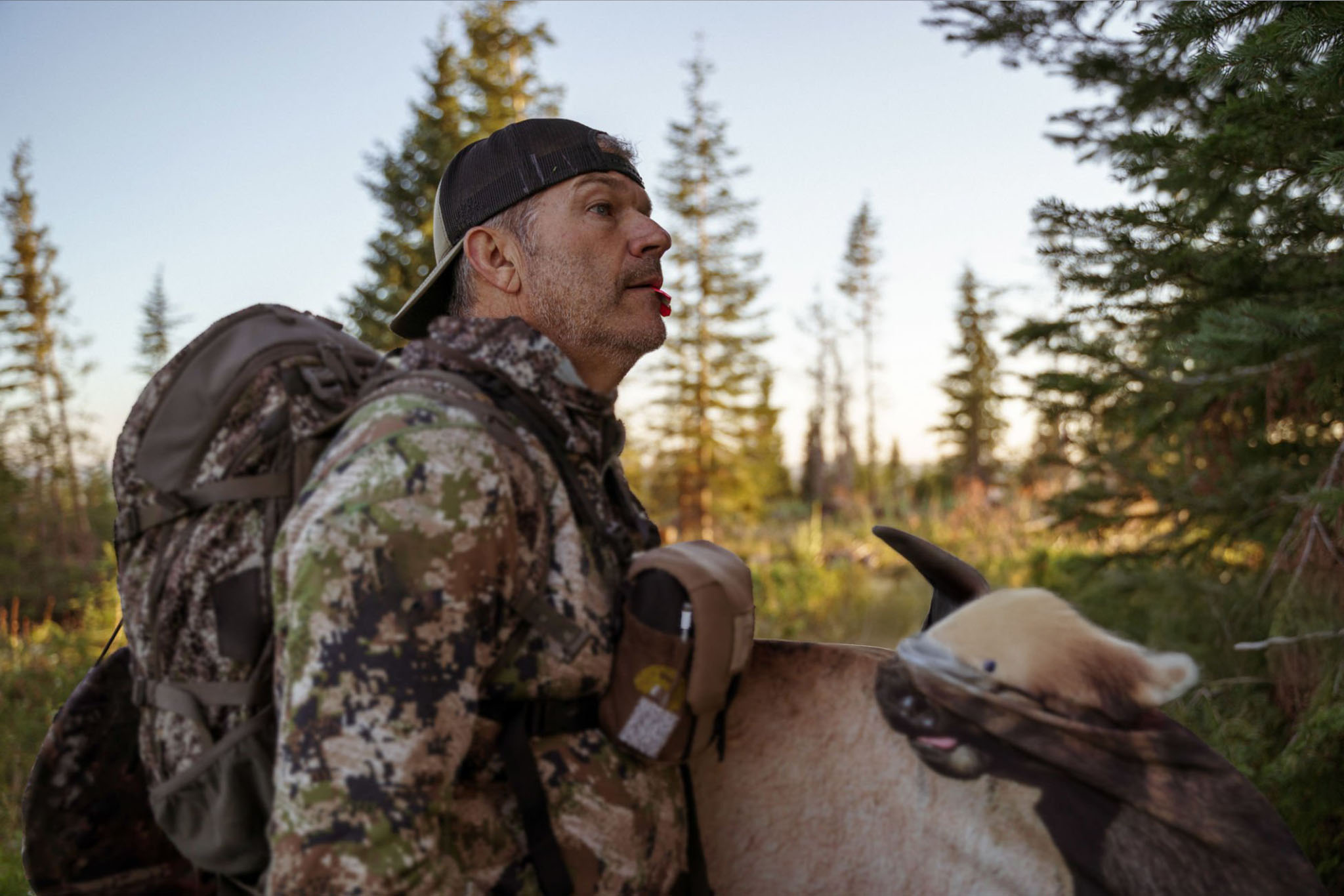
The weeks following winter represent one of the most physically demanding recovery periods in a whitetail deer’s annual cycle. After months of cold temperatures, limited nutrition, and energy depletion, deer must rebuild strength, restore fat reserves, and regain physical condition. During this recovery phase, terrain plays a critical role in shaping how deer move, where they travel, and how quickly they recover.
Terrain influences everything from energy expenditure and food access to security and comfort. Understanding how terrain affects deer recovery movement provides valuable insight into deer behavior and reveals predictable patterns that can be observed year after year.
Recovery Movement Is About Energy Efficiency
After winter, deer operate in an energy-deficit state. Fat reserves are reduced, muscle mass may be diminished, and overall endurance is lower. Because of this, deer must move strategically to conserve energy while still accessing essential food sources.
Terrain directly affects how much energy deer must expend to travel.
Deer naturally favor terrain that allows them to:
- Minimize climbing effort
- Reduce travel distance
- Avoid unnecessary obstacles
- Move efficiently between bedding and feeding areas
Flat or gently sloping terrain becomes especially attractive during early recovery.
Steep climbs, rough ground, and unnecessary elevation changes require more energy and are often avoided unless they provide significant security or food advantages.
South-Facing Slopes Accelerate Recovery Movement
South-facing slopes are among the most important terrain features during early recovery periods.
These slopes receive the most direct sunlight, which creates several key advantages:
- Faster snow melt
- Earlier plant growth
- Warmer ground temperatures
- More comfortable bedding conditions
Because of these benefits, south-facing slopes often produce the first available food sources of spring.
Deer are naturally drawn to these areas and often shift their movement patterns to take advantage of early nutrition.
Recovery movement frequently concentrates along these sun-exposed terrain features.
Elevation Influences Temperature and Comfort
Elevation plays a major role in determining microclimates across a landscape.
Lower elevations warm faster and produce food earlier than higher elevations.
As a result, deer recovering from winter often move toward:
- Valley bottoms
- Lower hillsides
- Sheltered depressions
- Protected terrain pockets
These areas offer warmer temperatures and earlier access to food.
Higher elevations may still hold snow longer and delay plant growth, making them less attractive during early recovery.
Deer gradually expand movement into higher elevations as conditions improve.
Ridge Lines Provide Efficient Travel Corridors
Ridge lines serve as natural travel routes for deer during recovery periods.
These terrain features offer several advantages:
- Easier walking compared to steep slopes
- Improved visibility for detecting danger
- Better wind exposure for scent detection
- Efficient access between feeding and bedding areas
Moving along ridge lines allows deer to cover ground while conserving energy.
Ridges often connect multiple important habitat areas, making them reliable travel corridors.
Deer frequently use ridge systems to transition between feeding areas and bedding locations.
Terrain Funnels Concentrate Deer Movement
Certain terrain features naturally funnel deer movement into predictable paths.
These include:
- Saddles between hills
- Narrow ridge connections
- Terrain pinch points
- Natural gaps in elevation
These features allow deer to move efficiently without excessive climbing or energy use.
During recovery, deer prefer terrain routes that reduce physical effort while maintaining security.
Funnels become especially important because they provide the path of least resistance.
These movement routes often remain consistent year after year.
Valley Bottoms Provide Early Nutrition and Shelter
Valley bottoms play a key role in deer recovery.
These areas often provide:
- Early vegetation growth
- Access to water sources
- Reduced wind exposure
- Easier walking terrain
Because cold air settles in valleys during winter, snow may persist longer in some cases. However, once snow melts, valleys quickly become productive feeding areas.
Deer recovering from winter often shift movement patterns to include valley feeding zones.
These areas support faster physical recovery due to improved nutrition access.
Terrain Edge Zones Support Efficient Movement
Terrain edges—where one terrain type transitions into another—are especially valuable during recovery.
Examples include:
- Hillside-to-flat transitions
- Ridge-to-valley edges
- Timber-to-field edges
These zones allow deer to move efficiently while maintaining security.
Edge terrain also provides multiple escape options, which increases safety.
Deer often follow these edges when moving between feeding and bedding locations.
These terrain transitions create predictable travel routes.
Bedding Terrain Plays a Major Role in Recovery Movement
Terrain strongly influences where deer bed during recovery.
Ideal bedding terrain includes:
- Slight elevation advantages
- Good visibility
- Wind exposure for scent detection
- Close proximity to food
Deer often bed on terrain features such as:
- Ridge points
- Hillside benches
- Elevated terrain edges
These locations allow deer to monitor surroundings while conserving energy.
Movement patterns often radiate outward from these bedding areas toward feeding zones.
Terrain Influences Predator Awareness and Safety
Recovery-phase deer remain vulnerable due to reduced physical condition.
Terrain that improves predator detection becomes highly valuable.
Deer often select terrain that allows them to:
- See approaching threats
- Smell danger using wind advantage
- Escape efficiently if necessary
Terrain features such as ridges, slopes, and open hardwood areas improve awareness and escape options.
This enhances survival during recovery.
Snow Melt Patterns Change Terrain Accessibility
Snow does not melt evenly across the landscape.
Terrain influences snow retention and melt timing.
Snow melts faster on:
- South-facing slopes
- Open terrain
- Lower elevations
Snow persists longer in:
- North-facing slopes
- Dense timber
- Higher elevations
Deer recovery movement follows snow melt patterns closely.
As terrain becomes accessible, deer expand movement into newly available areas.
Terrain Minimizes Energy Waste During Daily Movement
Deer recovering from winter prioritize efficiency.
Terrain that allows smooth, easy travel is preferred.
Deer avoid unnecessary terrain obstacles such as:
- Steep climbs
- Rough ground
- Thick obstructions
Instead, they choose terrain routes that allow efficient, low-effort movement.
This conserves energy for recovery and feeding.
Terrain Creates Predictable Recovery Patterns
One of the most important aspects of terrain influence is consistency.
Terrain features do not change, and deer naturally learn efficient routes.
These patterns become predictable because terrain consistently shapes movement.
Key terrain features that consistently influence recovery movement include:
- Ridge systems
- Valley corridors
- Hillside benches
- Terrain funnels
These areas serve as reliable movement pathways.
Recovery Movement Gradually Expands With Improving Conditions
As deer regain strength and food availability increases, movement patterns gradually expand.
Initially, deer stay close to food and bedding areas.
As recovery improves, deer begin exploring broader terrain areas.
Terrain continues to guide movement, but deer become more mobile and less restricted.
This expansion reflects improving physical condition.
Terrain and Food Availability Work Together
Terrain alone does not determine movement—food availability combined with terrain drives recovery patterns.
Terrain that supports early plant growth becomes especially important.
Deer recovery movement concentrates in terrain areas that offer:
- Early vegetation
- Comfortable bedding
- Efficient travel routes
Terrain and nutrition together shape recovery behavior.
Final Thoughts: Terrain Shapes Recovery, Efficiency, and Survival
Terrain plays a fundamental role in how deer recover after winter. It determines where deer move, how efficiently they travel, where they feed, and where they rest.
By selecting terrain that conserves energy, improves safety, and provides access to nutrition, deer maximize recovery while minimizing physical stress.
Understanding terrain influence reveals predictable movement patterns that repeat annually.
Recovery movement is not random—it follows terrain advantages that support survival, efficiency, and physical restoration.
Recognizing these terrain-driven patterns provides deeper insight into deer behavior and helps explain how deer successfully transition from winter survival to spring recovery and long-term strength.
