
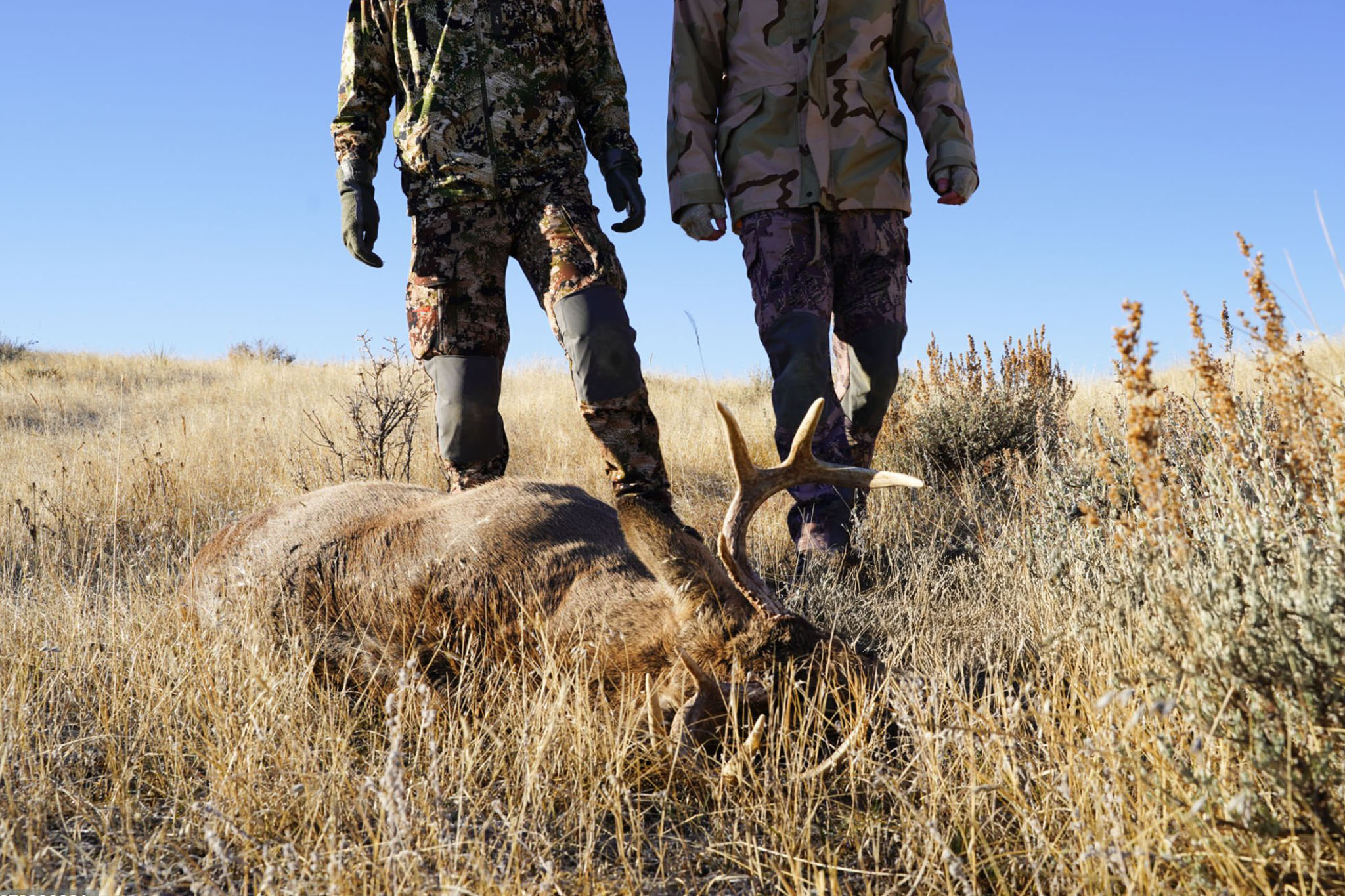
Early spring marks one of the most critical recovery periods in a whitetail deer’s annual cycle. After enduring months of winter stress, limited nutrition, and significant fat loss, deer must quickly rebuild their strength using the first available food sources. This recovery phase determines body condition, reproductive success, antler growth potential, and overall herd health.
Understanding how deer use early spring food sources—and which foods matter most—reveals predictable patterns that wildlife observers, land managers, and hunters can use to better understand deer movement and habitat priorities.
Winter Leaves Deer in a Calorie and Protein Deficit
During winter, deer survive primarily on stored body fat and low-quality woody browse. Their metabolism slows to conserve energy, but nutritional intake remains insufficient for maintaining optimal body condition.
By late winter, deer face several physiological challenges:
- Reduced fat reserves
- Muscle loss
- Weakened immune systems
- Nutritional deficiencies
- Increased vulnerability to stress
Bucks, especially after the rut, may lose 20–30% of their body weight. Does also emerge from winter in a weakened state while simultaneously supporting developing fetuses.
Recovery must begin quickly—and food availability becomes the most important factor.
Early Green Vegetation Provides Critical Nutrients
The first green plants of spring are the most important recovery foods for deer. These plants offer significantly higher protein and digestibility compared to woody browse consumed during winter.
Key early green food sources include:
- Emerging grasses
- Clover
- Forbs and broadleaf plants
- Young shoots and herbaceous vegetation
- Winter annual plants
These plants are rich in protein, which supports muscle rebuilding, tissue repair, and overall recovery.
Unlike woody browse, green vegetation is easier to digest, allowing deer to absorb nutrients more efficiently.
Clover Becomes One of the Most Valuable Early Spring Foods
Clover is one of the first high-quality forage plants available in many regions. It offers exceptional nutritional benefits during recovery.
Clover provides:
- High protein levels
- Easy digestibility
- Consistent availability
- Strong regrowth potential
Deer actively seek clover patches in fields, clearings, and open edges.
Even small clover patches can attract consistent feeding activity during early spring.
Agricultural Fields Accelerate Recovery
Agricultural areas play a major role in helping deer rebuild strength. Residual crops and early-growing forage provide concentrated energy sources.
Important agricultural recovery foods include:
- Winter wheat
- Alfalfa
- Remaining soybeans
- Corn residue
- Early planted forage crops
These foods offer higher calorie density compared to natural browse.
Deer feeding in agricultural areas often recover body condition faster than deer in strictly forested environments.
Soft Browse and Budding Vegetation Provide Transitional Nutrition
As trees and shrubs begin early spring growth, deer feed heavily on new buds, shoots, and tender growth.
Common browse sources include:
- Maple buds
- Dogwood shoots
- Honeysuckle
- Blackberry and raspberry stems
- Young saplings
These plants offer better nutritional value than winter browse, though still lower than green herbaceous plants.
They serve as transitional foods while green vegetation becomes more abundant.
Forbs Provide Exceptional Nutritional Benefits
Forbs—broadleaf herbaceous plants—are among the most valuable natural foods available in early spring.
Forbs typically offer:
- Higher protein levels than grasses
- Greater digestibility
- Essential minerals
Common early spring forbs include:
- Dandelions
- Plantain
- Wild legumes
- Ragweed (early growth stage)
Deer selectively feed on these plants when available.
Forbs often play a major role in rebuilding muscle mass.
Deer Increase Feeding Frequency During Recovery
After winter, deer feed more frequently to rebuild lost body mass.
Instead of feeding once or twice daily, deer often feed multiple times throughout the day.
This increased feeding frequency allows deer to:
- Gradually rebuild fat reserves
- Restore muscle mass
- Support organ recovery
- Improve immune function
Feeding typically occurs during:
- Early morning
- Late afternoon
- Evening hours
As recovery progresses, movement gradually increases.
Bucks Use Early Nutrition to Begin Antler Development
Antler growth begins shortly after bucks shed their antlers. This process requires large amounts of protein, minerals, and energy.
Early spring nutrition directly impacts:
- Antler size potential
- Antler mass and thickness
- Overall antler health
Bucks that access high-quality nutrition early often develop stronger antlers later in the year.
Nutritional stress during this period can permanently limit antler growth.
Does Prioritize Nutrition for Fetal Development
Does recovering from winter also require increased nutrition to support pregnancy.
Proper nutrition ensures:
- Healthy fetal development
- Higher fawn birth weights
- Improved fawn survival rates
Does actively seek the highest-quality forage available.
Early spring feeding success directly impacts fawn recruitment and herd growth.
Edge Habitat Supports Efficient Feeding and Recovery
Edge habitats—where forest meets open areas—provide ideal recovery environments.
These areas offer:
- Early plant growth
- Easy access to food
- Nearby bedding cover
- Reduced travel distance
Deer can feed efficiently without expending excessive energy.
Energy conservation remains critical during recovery.
Sun-Exposed Areas Produce Food Earlier
Sunlight plays a major role in determining where early food becomes available.
South-facing slopes, open fields, and exposed edges warm faster and produce vegetation sooner.
These areas become early feeding hotspots.
Deer instinctively locate and use these areas first.
Water Supports Increased Feeding and Metabolic Recovery
As feeding increases, deer also require reliable water sources.
Water supports:
- Digestion
- Nutrient absorption
- Overall metabolic recovery
Creeks, ponds, and wetland edges often attract feeding deer due to nearby vegetation and water availability.
Recovery Is Gradual, Not Immediate
Rebuilding body condition takes time. Deer do not recover overnight.
Recovery typically occurs over several weeks as food availability improves.
Gradual improvements include:
- Increased muscle mass
- Restored fat reserves
- Improved mobility
- Increased activity levels
Consistent access to quality food is essential.
Early Spring Feeding Locations Often Predict Future Patterns
Many early spring feeding areas remain important throughout the year.
These areas often become:
- Summer feeding zones
- Fall feeding areas
- Predictable travel routes
Understanding these locations provides valuable insight into long-term deer movement patterns.
Habitat Quality Determines Recovery Speed
Deer living in areas with abundant early forage recover faster.
High-quality habitats include:
- Agricultural regions
- Mixed forest and field environments
- Areas with diverse plant species
- Well-managed habitat with food availability
Poor habitats slow recovery and increase stress.
Final Thoughts: Early Food Sources Shape Deer Recovery and Future Health
Early spring represents a turning point in a deer’s annual survival cycle. The first available food sources allow deer to rebuild strength, restore body condition, and prepare for the demands of the coming seasons.
Green vegetation, forbs, clover, agricultural crops, and soft browse provide essential nutrients needed for recovery.
Deer that access high-quality nutrition early recover faster, grow stronger, and enter summer in better physical condition.
Understanding how deer use early food sources reveals predictable feeding patterns and highlights the importance of habitat quality in supporting healthy, sustainable deer populations.
