
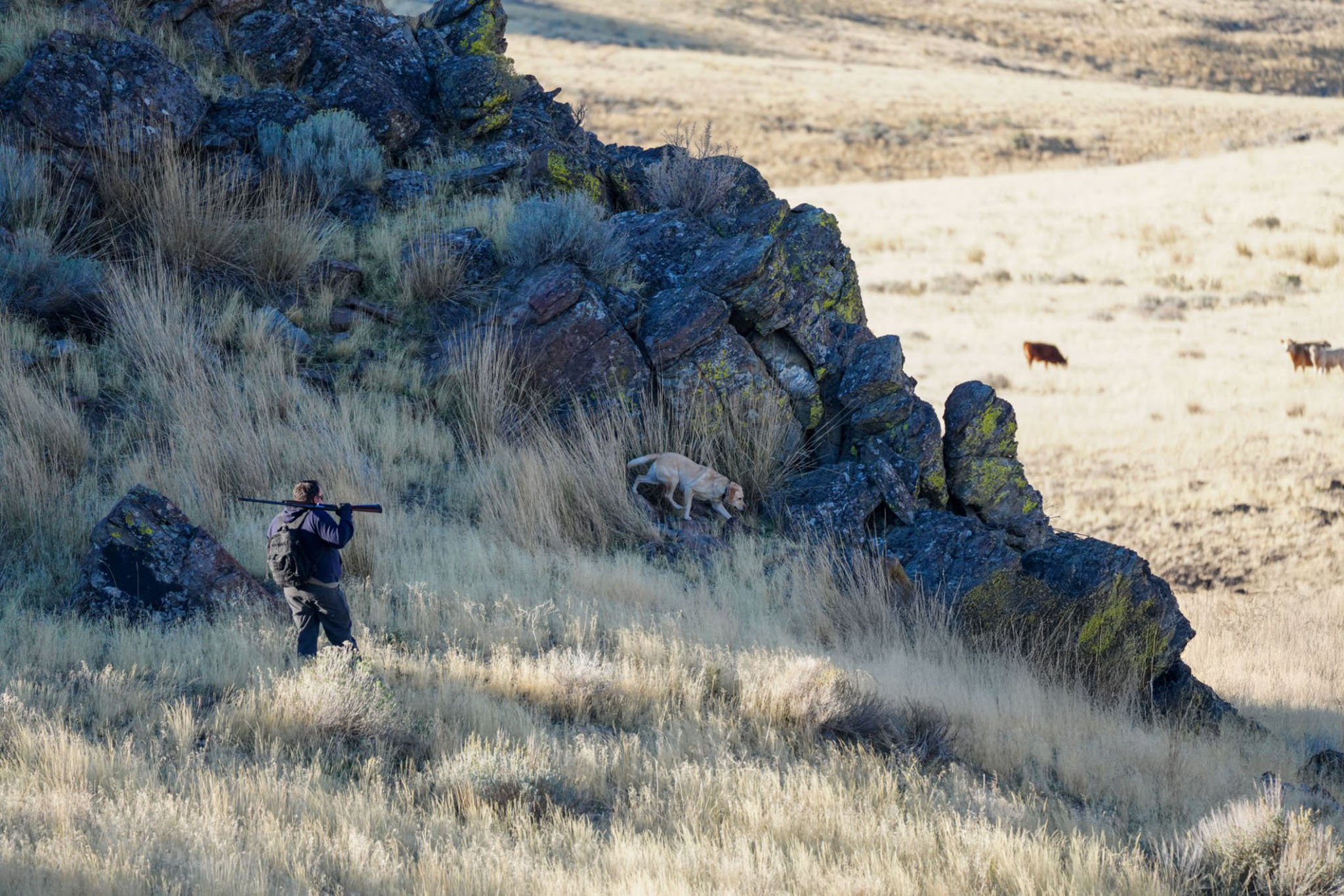
Early spring is one of the most revealing and strategically valuable times of the year for hunters, land managers, and wildlife observers across the United States. As winter loosens its grip and temperatures gradually rise, wildlife begins transitioning from survival mode into recovery and preparation for breeding and growth. During this window, animal movement patterns become far more predictable than many people realize.
Unlike fall, when hunting pressure, breeding activity, and abundant food sources scatter animals across the landscape, early spring creates a unique convergence of needs. Food is limited but emerging, cover is reduced, and animals must move consistently to meet their daily survival requirements. This combination creates repeatable movement patterns that skilled observers can recognize and use to their advantage.
Understanding why wildlife becomes easier to predict during early spring provides insight not only for hunting success but also for habitat management, conservation, and long-term pattern recognition.
Winter Survival Forces Animals Into Predictable Patterns
Winter places extreme stress on wildlife. Cold temperatures increase caloric demands, while snow and frozen ground limit access to food. By the time early spring arrives, animals are operating with depleted fat reserves and must prioritize efficient movement.
This creates several predictable behaviors:
- Animals avoid unnecessary travel to conserve energy
- Movement centers around reliable food sources
- Animals use familiar travel routes rather than exploring new areas
- Bedding and resting locations remain consistent
Energy conservation remains a primary concern until food availability improves significantly.
Because animals must move carefully and efficiently, their patterns become easier to identify and anticipate.
Limited Food Sources Concentrate Wildlife Movement
In early spring, food is not yet abundant. Instead, it emerges gradually and unevenly across the landscape.
Wildlife focuses heavily on the first available nutrition sources, such as:
- South-facing slopes where vegetation emerges first
- Field edges exposed to sunlight
- Recently thawed creek bottoms
- Agricultural fields with leftover grain
- Early green shoots, buds, and browse
These early food sources act as natural gathering points.
When food is limited, animals return to the same feeding areas repeatedly, creating consistent travel patterns between feeding and bedding zones.
This reliability allows observers to predict where animals will appear.
Reduced Vegetation Improves Visibility and Movement Efficiency
One of the biggest advantages of early spring is the lack of dense vegetation. Before grasses, shrubs, and leaves fully return, the landscape remains open.
This affects wildlife movement in several important ways:
- Animals prefer open routes that allow better visibility
- Travel corridors such as ridges, trails, and edges become more obvious
- Animals avoid dense areas that limit escape options
- Observers can see tracks, trails, and sign more easily
Without thick cover, wildlife movement becomes concentrated along specific terrain features.
These visible routes often represent primary travel corridors used year-round.
Animals Transition Between Winter and Spring Habitats
Early spring represents a transition period between winter survival areas and spring and summer feeding ranges.
During winter, animals often remain in sheltered areas that protect them from harsh weather.
As temperatures rise, animals gradually expand outward into areas that provide better nutrition.
This creates transitional movement patterns such as:
- Deer moving from winter bedding areas toward feeding fields
- Turkeys shifting from winter flocks to breeding territories
- Waterfowl staging in wetlands during migration
- Predators following prey movement toward emerging food sources
These transitions follow predictable terrain features and habitat edges.
Animals rarely move randomly. Instead, they follow the safest and most efficient routes between seasonal habitats.
Water Availability Becomes a Critical Movement Factor
As snow melts and ice thaws, water availability changes rapidly across the landscape.
Fresh water sources attract wildlife because they provide:
- Drinking water
- Fresh vegetation growth
- Increased insect activity
- Improved feeding opportunities
Common early spring water sources include:
- Creek edges
- Marshes and wetlands
- Flooded lowlands
- Pond edges
Wildlife often concentrates around these areas.
Movement patterns naturally develop between bedding areas and water sources.
This makes water one of the most reliable predictors of wildlife location.
Breeding Preparation Begins but Has Not Yet Disrupted Patterns
Although breeding season approaches, early spring represents the preparation phase rather than the peak breeding phase.
Animals begin preparing physically but maintain predictable routines.
Examples include:
- Bucks rebuilding strength after winter weight loss
- Gobblers establishing territories but still following feeding routines
- Waterfowl staging before continuing migration
Because breeding competition has not yet intensified, animals remain focused on survival and recovery.
This keeps their movement patterns stable and consistent.
Later in spring, breeding activity often disrupts these predictable routines.
Terrain Features Naturally Funnel Wildlife Movement
Animals use terrain features that provide safety, efficiency, and visibility.
Common movement funnels include:
- Ridge lines
- Saddles between hills
- Field edges
- Creek crossings
- Transition zones between habitat types
These features reduce exposure to predators and conserve energy.
Animals often reuse the same terrain features repeatedly.
These natural funnels make wildlife movement easier to anticipate.
Early Spring Leaves Behind Clear and Readable Sign
Another reason wildlife movement is easier to predict is the abundance of visible sign.
Soft ground, mud, and melting snow preserve tracks and trails.
Common signs include:
- Fresh tracks
- Trails through vegetation
- Droppings
- Bedding areas
- Feeding damage
Because vegetation has not yet grown thick, these signs remain visible longer.
This allows observers to reconstruct movement patterns with accuracy.
Reduced Human Pressure Improves Pattern Stability
In many regions, early spring brings less hunting pressure compared to fall.
This allows wildlife to behave more naturally.
Without constant disturbance, animals develop stable routines.
They rely on efficient travel routes and consistent feeding locations.
This stability improves predictability.
In contrast, heavy hunting pressure in fall often forces wildlife to become more unpredictable.
Daily Movement Patterns Become More Consistent
Wildlife follows daily cycles based on temperature, feeding needs, and safety.
Common early spring daily patterns include:
- Feeding during early morning
- Resting during mid-day
- Feeding again during late afternoon
- Moving toward bedding areas at night
Because food sources remain limited, animals repeat these cycles consistently.
This repetition creates predictable timing and location patterns.
Early Spring Is One of the Best Times for Scouting
Because wildlife movement is predictable and sign is visible, early spring provides an ideal scouting opportunity.
Hunters and observers can identify:
- Travel corridors
- Feeding areas
- Bedding locations
- Habitat preferences
This information remains valuable throughout the year.
Understanding early spring movement patterns helps predict fall hunting opportunities.
Animals often reuse the same core areas across seasons.
Habitat Edges Become Movement Highways
Edges where two habitat types meet are especially important.
Examples include:
- Timber meeting open fields
- Wetlands meeting dry ground
- Thick cover meeting open hardwoods
These areas provide both security and feeding opportunities.
Wildlife frequently travels along these edges.
These edge zones act as natural highways.
Weather Patterns Create Predictable Movement Windows
Early spring weather often follows consistent warming and cooling cycles.
Wildlife responds predictably to these temperature changes.
Warmer afternoons increase feeding activity.
Colder mornings may delay movement slightly.
Understanding these weather-driven patterns improves prediction accuracy.
Conclusion: Early Spring Reveals Wildlife Patterns Like No Other Season
Early spring creates the perfect conditions for predictable wildlife movement. Limited food availability, reduced vegetation, stable daily routines, and visible terrain features all combine to create clear and repeatable movement patterns.
Animals focus on survival, recovery, and preparation rather than breeding competition or avoiding heavy hunting pressure. This keeps their routines consistent and their locations easier to anticipate.
For hunters, land managers, and wildlife observers, early spring offers a rare opportunity to truly understand how animals use the landscape. Those who pay attention during this season gain insights that improve scouting, habitat management, and hunting success for the entire year.
In early spring, the woods reveal their secrets—and those who learn to read them gain an advantage that lasts far beyond the season itself.
