
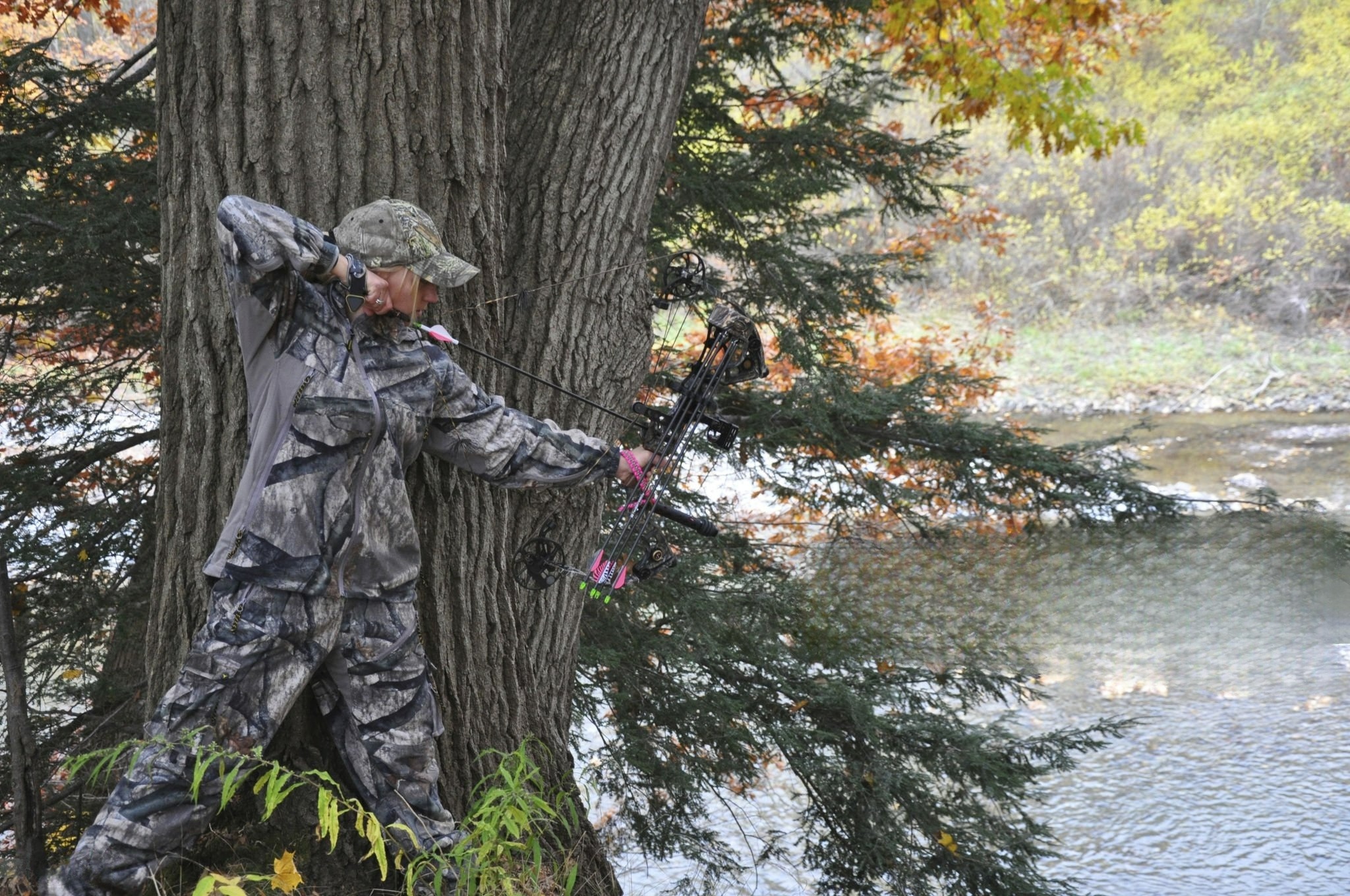
Water is the single most powerful force shaping wildlife movement. While food and cover are critical, neither matters without access to reliable water. From early spring snowmelt to late summer drought, changes in water availability influence where animals feed, travel, rest, and ultimately survive.
For hunters, land managers, and outdoor observers, understanding how water reshapes wildlife movement patterns is essential. Animals don’t move randomly—they move according to necessity. And water is one of the most consistent necessities in the natural world.
Learning to read how water availability affects wildlife can reveal predictable movement patterns and unlock insights that last throughout the entire year.
Water Is a Daily Requirement for Survival
Every land-based game species relies on water. While some animals obtain moisture through food, most require direct access to water sources regularly.
Wildlife uses water for:
- Hydration and survival
- Body temperature regulation
- Digestion and nutrient absorption
- Habitat security and comfort
Large mammals such as deer may visit water sources daily during warm periods, while waterfowl rely on aquatic habitats constantly. The U.S. Geological Survey notes that wildlife distribution is strongly linked to water availability, especially in areas with seasonal moisture fluctuations.
Where water exists, wildlife concentrates. Where water disappears, wildlife moves.
Seasonal Water Changes Create Predictable Movement Shifts
Water availability changes dramatically across seasons, reshaping wildlife movement patterns.
Early Spring: Expansion and Opportunity
Snowmelt, rain, and thawing ground create temporary water sources across the landscape:
- Seasonal creeks and runoff channels
- Flooded fields and marshes
- Temporary pools and shallow wetlands
These short-term water sources allow animals to spread out. Wildlife becomes less concentrated because water is widely available.
This is especially noticeable with deer and waterfowl, which take advantage of newly flooded feeding areas.
Summer: Concentration Around Reliable Water
As temperatures rise and temporary water sources disappear, animals shift toward permanent water sources:
- Rivers
- Lakes
- Ponds
- Springs
- Marshes
Movement patterns become focused. Animals develop regular travel routes between bedding, feeding, and water.
In dry regions, this concentration effect becomes even stronger.
Fall: Stabilization and Pattern Formation
During fall, water availability often stabilizes, but animal movement remains influenced by consistent water access.
Game animals develop established routines around dependable water sources. These routines often persist throughout hunting seasons.
Water sources near food and cover become especially valuable habitat zones.
Winter: Reduced Demand but Continued Importance
Cold temperatures reduce water needs, but animals still require access.
In freezing conditions, wildlife seeks:
- Flowing creeks that remain open
- Springs that resist freezing
- Areas with snow cover suitable for hydration
Animals adjust their range to stay within reach of accessible water.
Water Creates Natural Travel Corridors
Wildlife rarely moves in straight lines across landscapes. Instead, animals use terrain features that provide safety and efficiency.
Waterways naturally guide movement.
Animals often travel along:
- Creek bottoms
- River edges
- Drainage channels
- Wetland margins
These areas offer:
- Easier walking terrain
- Access to water
- Dense cover for protection
- Food availability
Because of these advantages, waterways act as natural highways for wildlife movement.
Water Influences Feeding Location Choices
Water doesn’t just support hydration—it also influences feeding behavior.
Many plant species grow more abundantly near water. This creates attractive feeding zones for herbivores.
Examples include:
- Green vegetation along creek edges
- Floodplain grasses
- Agricultural fields near water
- Wetland plants
This concentration of food attracts prey species, which in turn attracts predators.
The National Wildlife Federation emphasizes that wetland ecosystems support some of the highest wildlife densities of any habitat type.
Water creates entire ecosystems that sustain diverse wildlife populations.
Water Provides Security and Thermal Regulation
Water sources also offer security and temperature benefits.
Animals use water areas for:
- Cooling during warm temperatures
- Avoiding insect pressure
- Finding dense protective cover
- Accessing shaded environments
Wetlands and creek bottoms often provide cooler microclimates, especially during hot periods.
Animals naturally gravitate toward these areas.
Limited Water Creates Predictable Wildlife Concentration
When water becomes scarce, wildlife movement becomes highly predictable.
Animals must travel to reliable water sources regularly.
This creates:
- Consistent travel routes
- Predictable visitation timing
- Concentrated wildlife presence
In dry conditions, water sources become focal points of wildlife activity.
Animals may adjust feeding locations and bedding areas based entirely on proximity to water.
Water Availability Shapes Migration and Seasonal Range
Water availability plays a major role in seasonal migration and range shifts.
Waterfowl, in particular, depend entirely on wetland availability. The Ducks Unlimited reports that waterfowl migration patterns are closely tied to the presence of open water and wetland habitat.
As wetlands freeze or dry, birds move to areas with suitable water conditions.
Similarly, mammals adjust seasonal ranges based on water accessibility.
Temporary Water Sources Create Short-Term Wildlife Opportunities
Temporary water sources can attract wildlife quickly.
Examples include:
- Spring runoff pools
- Flooded timber
- Rain-fed depressions
- Agricultural field flooding
These short-lived water sources often attract animals rapidly because they offer fresh feeding opportunities and reduced competition.
However, wildlife use of these areas may disappear just as quickly once water recedes.
Human Land Management Can Influence Wildlife Through Water
Water availability isn’t entirely natural. Human land management can influence wildlife movement by managing water.
Examples include:
- Wetland restoration
- Pond construction
- Agricultural irrigation
- Controlled flooding
These actions can dramatically reshape wildlife distribution.
Habitat managers often use water management to improve wildlife habitat quality.
Understanding Water Patterns Improves Wildlife Awareness
Observing water conditions helps predict wildlife presence.
Key factors to monitor include:
- Water level changes
- Seasonal drying or flooding
- New temporary water sources
- Consistent permanent water
These factors influence where animals travel and how frequently they use specific areas.
Water conditions often explain wildlife movement more clearly than any other factor.
Conclusion: Water Is the Foundation of Wildlife Movement
Water availability shapes wildlife movement more than any other environmental factor. It influences where animals feed, travel, rest, and migrate.
Seasonal changes in water availability constantly reshape wildlife distribution. Animals adjust their movement patterns based on necessity, seeking reliable access to hydration, food, and security.
For hunters, land managers, and wildlife observers, understanding water patterns provides valuable insight into animal behavior.
Where water goes, wildlife follows.
Learning to recognize how water reshapes movement patterns is one of the most reliable ways to understand—and predict—wildlife behavior across every season.
