
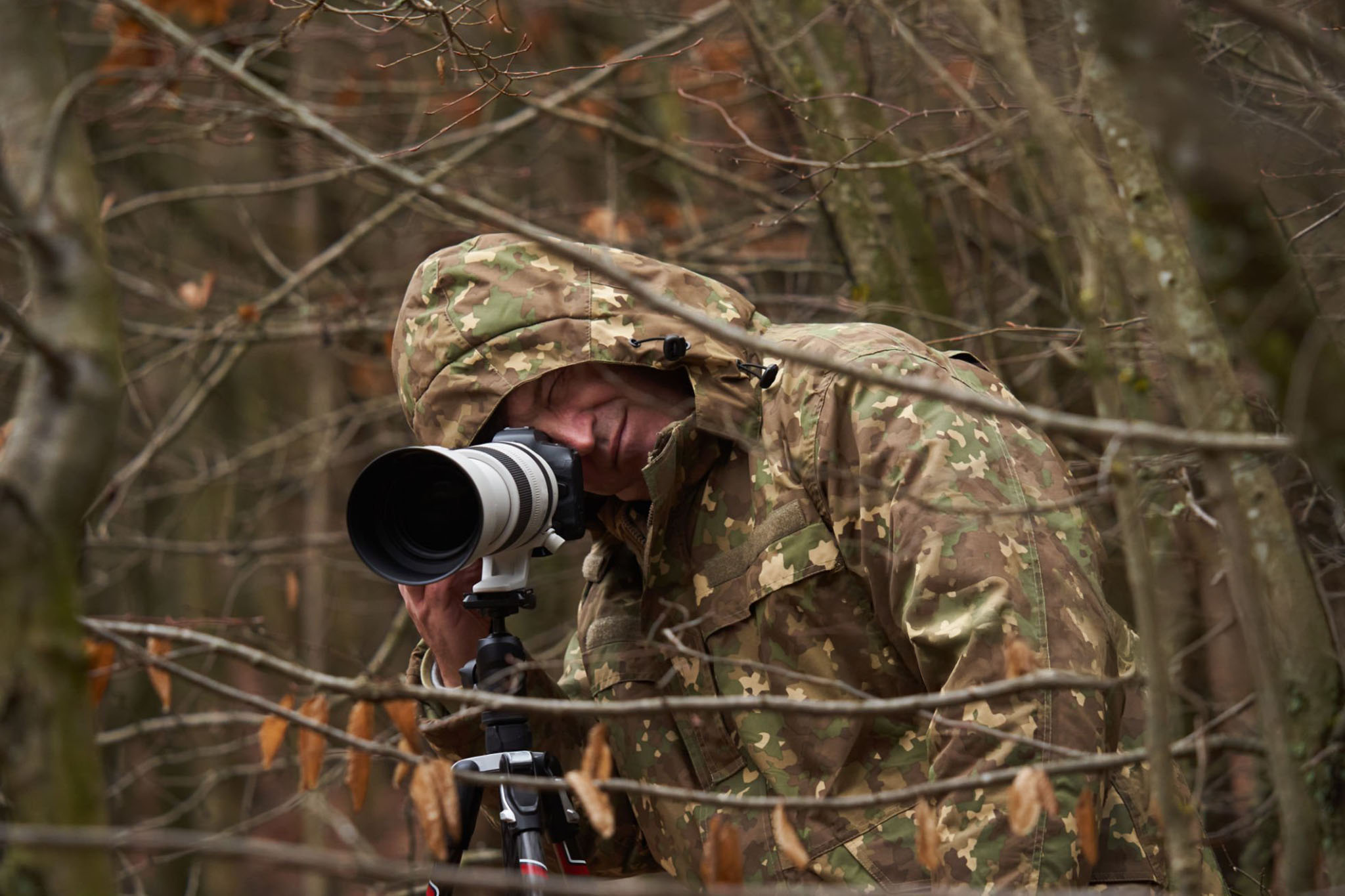
For experienced hunters, spring isn’t the off-season—it’s the foundation of next fall’s success. While most people wait until late summer or early fall to begin scouting, the smartest hunters use early spring to gather the most honest and revealing information the woods and wetlands will offer all year.
Spring scouting works because animals are no longer pressured by hunting seasons, vegetation is minimal, and the landscape exposes patterns that will remain relevant for months. When done correctly, spring scouting transforms uncertainty into reliable fall opportunities.
This guide explains how to scout in spring with purpose, what to look for, and how to turn those observations into consistent success when hunting season returns.
Why Spring Scouting Reveals More Than Fall Scouting
Spring offers a unique window into animal behavior and habitat structure. Without thick foliage or hunting pressure, wildlife moves naturally, leaving behind clear and undisturbed sign.
In early spring, you can easily identify:
- Major travel corridors
- Feeding zones
- Bedding areas
- Water access routes
- Terrain funnels and natural movement barriers
Organizations like National Deer Association emphasize that post-season and early spring scouting provide some of the most accurate information about mature animal movement.
Unlike fall scouting, which often captures temporary behavior influenced by pressure, spring scouting reveals long-term patterns.
Focus on Terrain Features That Don’t Change
Vegetation changes dramatically between spring and fall, but terrain remains constant. Animals rely on terrain to travel efficiently and safely.
Key terrain features to scout include:
1. Funnels and Pinch Points
Funnels naturally concentrate animal movement. These include:
- Narrow strips of timber
- Ridge saddles
- Creek crossings
- Edges between thick cover and open areas
Animals prefer paths of least resistance. Identifying these funnels in spring helps predict fall travel routes.
2. Bedding Areas
Spring is one of the best times to locate bedding areas because leaf cover is minimal.
Look for:
- South-facing slopes
- Elevated terrain with visibility
- Thick cover near food and water
- Areas protected from prevailing winds
These bedding zones often remain consistent year after year, especially for mature animals.
3. Water Sources
Reliable water sources always attract wildlife.
Scout for:
- Small creeks
- Marsh edges
- Seasonal ponds
- River crossings
Water availability becomes even more important during early fall when temperatures remain warm.
Wetland systems managed by organizations like Ducks Unlimited often create consistent waterfowl staging areas that remain productive for years.
Identify Feeding Patterns That Repeat Annually
Food sources shift seasonally, but many locations remain reliable feeding zones.
Spring scouting helps you locate:
- Agricultural field edges
- Oak flats (acorn-producing areas)
- Regrowth areas with fresh vegetation
- Natural browse zones
Even if specific foods change, animals often return to the same general feeding areas because of terrain safety and accessibility.
Understanding these zones helps predict fall feeding movement.
Look for Tracks, Trails, and Movement Evidence
Animal tracks and trails provide a blueprint of movement patterns.
Spring conditions—soft soil, mud, and melting snow—preserve tracks clearly.
Focus on:
- Trail intersections
- Frequently used paths
- Entry and exit routes between bedding and feeding areas
- Concentrated track areas indicating staging zones
The direction and depth of tracks also help reveal travel frequency and size of animals using the area.
Observe Without Pressure or Disturbance
Spring is ideal because animals are not avoiding hunting pressure.
This allows you to observe:
- Natural travel routes
- Preferred feeding times
- Habitat preferences without human influence
Use this opportunity to understand how animals use terrain when they feel safe.
This knowledge becomes extremely valuable during hunting season when animals revert to pressure-avoidance behavior.
Scout Wetlands and Waterfowl Habitat Early
For waterfowl hunters, spring scouting is critical.
Ducks and geese reveal preferred areas through:
- Feeding activity
- Resting zones
- Entry and exit flight paths
- Water depth preferences
Major migration routes like the Central Flyway and Atlantic Flyway contain staging areas that waterfowl use year after year.
Identifying these locations early helps hunters choose blinds and access routes months in advance.
Evaluate Access Routes for Stealth Entry
Finding animals is only part of the equation. Access matters just as much.
During spring scouting, identify entry routes that allow you to approach hunting locations without being detected.
Look for:
- Terrain cover that hides movement
- Low ground or creek beds for concealed travel
- Quiet access routes with minimal vegetation noise
- Wind-friendly approaches
Planning access routes early prevents mistakes during hunting season.
Use Spring to Place Trail Cameras Strategically
Spring is an ideal time to place trail cameras because you can position them without disturbing active hunting areas.
Best locations include:
- Trail intersections
- Funnel points
- Water crossings
- Feeding area edges
Trail cameras help confirm which animals use the area consistently.
Over time, this builds a reliable pattern database.
Predict How Fall Conditions Will Change the Landscape
Spring scouting helps you visualize future conditions.
Ask yourself:
- How will vegetation growth affect visibility?
- Will water levels rise or fall?
- How will food availability shift?
- Will access routes remain usable?
This forward-thinking approach allows you to anticipate fall scenarios before they happen.
Mark and Organize Scouting Information
Document everything you find.
Use mapping apps or GPS tools to mark:
- Trails
- Bedding areas
- Funnels
- Water sources
- Stand or blind locations
This creates a clear hunting strategy months before the season begins.
Preparation reduces guesswork.
Why Spring Scouting Creates Long-Term Hunting Success
Hunters who scout only weeks before the season rely on limited information. Hunters who scout in spring build a complete understanding of the landscape.
Spring scouting allows you to:
- Identify consistent animal patterns
- Find the best stand and blind locations early
- Avoid educating animals before the season
- Develop multiple hunting options
- Increase efficiency and confidence
This preparation leads to higher success rates.
Conclusion: Spring Effort Creates Fall Opportunity
The work you put in during spring directly shapes your fall hunting success.
Spring reveals terrain, movement patterns, and habitat structure without the distractions of thick vegetation or hunting pressure. It allows you to understand the landscape on a deeper level and prepare strategically.
By identifying funnels, bedding areas, feeding zones, and access routes early, you eliminate uncertainty and create reliable hunting opportunities.
When fall arrives, you’re not guessing. You’re executing a plan built months in advance.
That’s the difference between hoping for opportunity—and creating it.
