
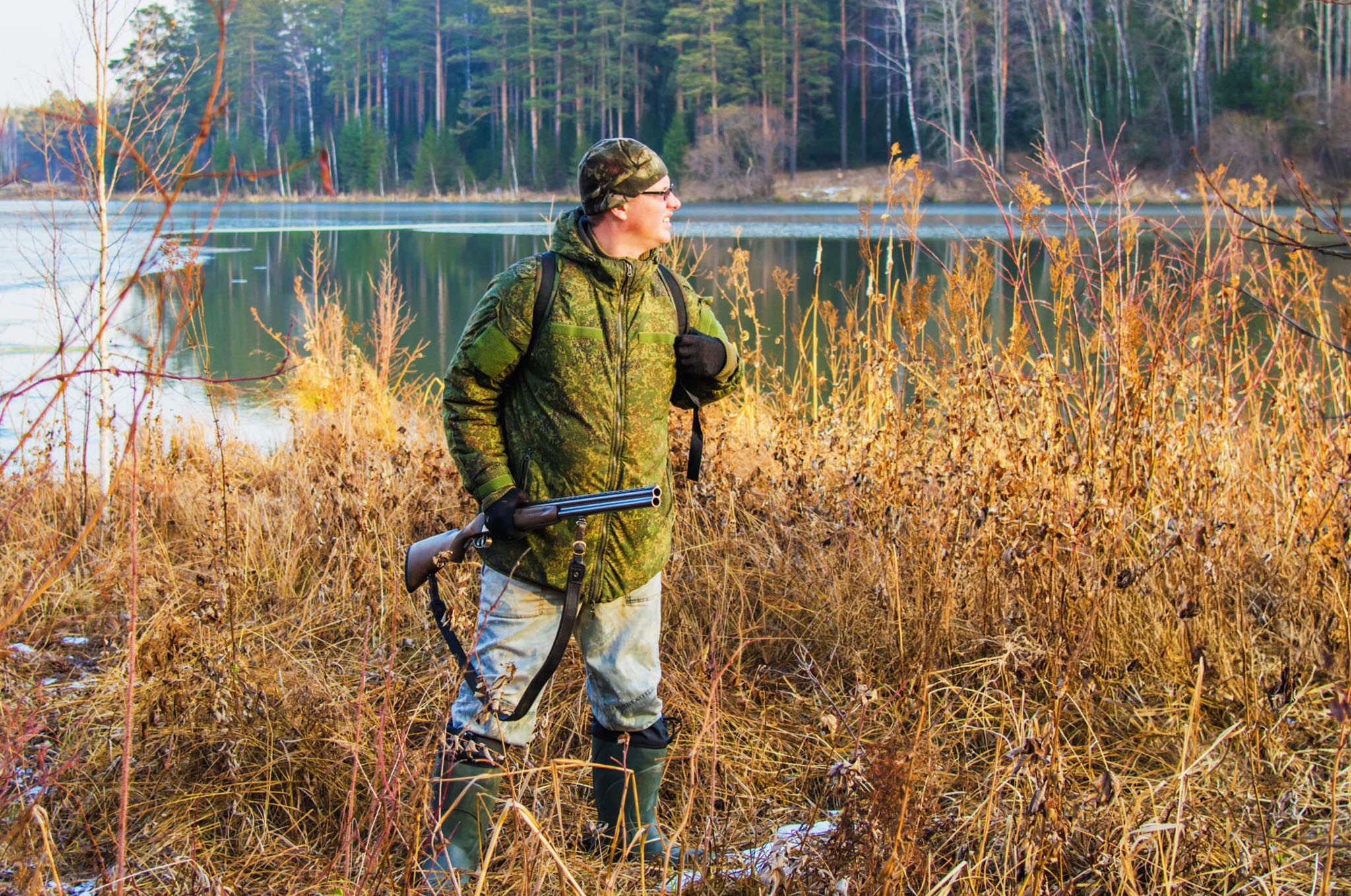
Early spring is one of the most overlooked but revealing times in the waterfowl calendar. While most hunters associate duck movement with fall migration and winter hunting seasons, the late northward migration offers something even more valuable: insight. This is when ducks transition from survival mode into breeding mode, and their movement patterns become more predictable, more purposeful, and easier to understand.
For hunters who want consistent success in future seasons, learning to track these last flights north can provide unmatched intelligence about habitat preference, travel corridors, and staging behavior.
Understanding the Timing of the Final Migration Push
Not all ducks migrate north at the same time. Migration isn’t triggered by a date—it’s driven by environmental conditions. Key factors include:
- Increasing daylight (photoperiod)
- Gradual warming temperatures
- Opening water sources
- Improving food availability farther north
Major migration corridors like the Mississippi Flyway and Central Flyway remain active well into early spring, even after hunting seasons close.
Some ducks move quickly, but others stage for days or weeks, waiting for optimal conditions before continuing north toward breeding grounds in places like Saskatchewan and North Dakota.
This staging period is where observant hunters gain their greatest advantage.
Why Some Ducks Migrate Later Than Others
Late-migrating ducks are not random stragglers. They’re often making calculated decisions based on survival and reproduction.
Key reasons ducks delay migration:
1. Weather instability north of them
Cold snaps or late snowstorms can temporarily halt migration. Ducks wait until conditions stabilize.
2. Reliable food sources still available locally
If flooded grain fields, wetlands, or marshes still offer food, there’s no urgency to leave.
3. Energy conservation before breeding season
Migration and breeding require enormous energy. Ducks move when conditions maximize survival and efficiency.
Organizations like Ducks Unlimited emphasize that habitat quality along migration routes directly affects breeding success months later.
Where Late-Migrating Ducks Hold Before Moving North
During early spring, ducks prioritize areas offering three key elements:
1. Open Water Access
As ice recedes, ducks concentrate heavily in newly opened areas:
- Small ponds thawing earlier than large lakes
- South-facing shorelines receiving more sunlight
- River bends protected from wind
- Shallow marshes warming faster
Even small pockets of open water can hold significant numbers of birds.
2. Nearby Food Sources
Energy-rich foods remain critical during migration. Ducks seek:
- Flooded agricultural fields
- Waste grain (corn, rice, soybeans)
- Aquatic vegetation
- Invertebrates in warming shallow water
Regions like Arkansas often serve as extended staging zones due to abundant food and wetland habitat.
3. Security and Low Disturbance
Ducks nearing breeding condition prioritize safety over convenience.
Look for areas with:
- Limited human activity
- Natural cover
- Larger water bodies offering escape routes
- Remote marsh pockets
Security becomes increasingly important as ducks prepare for the breeding season.
How to Identify Active Late Migration Zones
Even when ducks aren’t concentrated in massive flocks, their presence leaves clear signs.
Visual indicators include:
- Fresh tracks along muddy shorelines
- Feathers near resting areas
- Droppings concentrated in feeding zones
- Flattened vegetation from resting birds
Morning and evening observation is especially valuable, as ducks move between feeding and resting areas during low light.
Weather Patterns That Trigger Final Movement
Migration acceleration often follows specific weather shifts.
Key triggers include:
1. Warm southern winds
These provide tailwinds that make northward flight easier.
2. Rapid warming trends
Consistent warming signals safe conditions ahead.
3. Clearing skies after storms
Birds often move immediately after storm systems pass.
4. Increasing daylight length
This biological trigger influences hormonal changes tied to breeding readiness.
The U.S. Fish and Wildlife Service notes that photoperiod is one of the strongest migration triggers across waterfowl species.
Why Early Spring Scouting Matters for Future Hunting Success
This period offers unmatched visibility into duck behavior.
Without hunting pressure, ducks behave naturally. This reveals:
- Preferred feeding locations
- Reliable resting areas
- Natural travel corridors
- Habitat features ducks consistently trust
Vegetation is also minimal, allowing hunters to see terrain and water features clearly before spring growth conceals them.
This knowledge becomes invaluable months later when hunting season returns.
Habitat Features Ducks Consistently Return To
Certain environmental features repeatedly attract ducks during migration:
- Gradual shoreline slopes
- Shallow feeding shelves
- Protected coves
- Wind-protected water pockets
- Areas combining food, water, and security
These locations often remain productive year after year.
Understanding them helps hunters predict future duck use long before season opens.
The Shift From Survival to Stability
Winter forces ducks into survival mode, prioritizing warmth and food availability. But early spring represents a shift.
Ducks begin preparing for breeding. Their movement becomes:
- More consistent
- Less reactive to weather extremes
- More focused on reaching traditional breeding territories
This creates predictable staging patterns that hunters can study and learn from.
The Long-Term Advantage of Understanding Spring Migration
Hunters who pay attention to late migration gain more than immediate observation—they gain foresight.
They learn:
- Which wetlands remain reliable year-round
- Where ducks feel safest without pressure
- Which areas consistently attract migrating birds
- How weather and habitat shape movement decisions
These insights build smarter hunting strategies based on real behavior, not guesswork.
Conclusion: The Migration Never Truly Ends for Observant Hunters
The last flights north are not the end of the story—they’re the beginning of next season’s preparation.
Early spring reveals truths hidden during hunting season. It shows where ducks go when pressure disappears. It shows what habitats they trust. And most importantly, it shows how migration truly works.
Hunters who understand this period aren’t just watching ducks leave. They’re learning exactly where—and why—they’ll return again.
Because the smartest waterfowl hunters know success isn’t built in the blind.
It’s built in the seasons when no one else is watching.
