
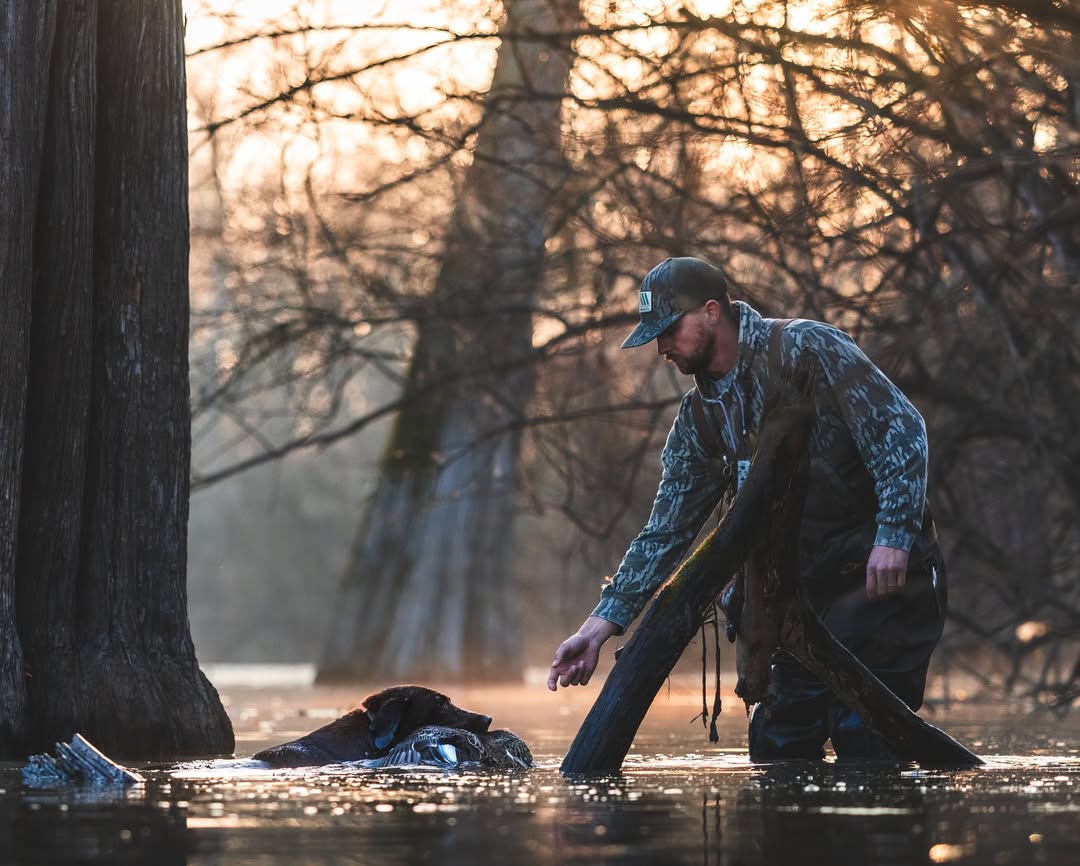
Early spring in the United States brings a unique set of challenges—and opportunities—for waterfowl hunters. March, in particular, is a transitional month: ice is melting, vegetation hasn’t fully greened, and ducks and geese are shifting their patterns as they prep for the breeding season. Understanding March marsh patterns is essential for predicting where waterfowl feed, where they rest, and how they move. Hunters who can interpret these subtle cues are often rewarded with more consistent action before full green-up arrives.
In this guide, we’ll break down feeding and flight patterns in March, highlight the best scouting strategies, and provide tips for early-season waterfowl success.
Understanding March Marsh Dynamics
The key to early spring waterfowl hunting is recognizing that marshes are not static. A combination of water levels, food availability, and weather patterns drives waterfowl behavior. In March, several critical factors affect ducks and geese:
1. Ice Thaw and Open Water
As ice begins to melt, waterfowl naturally gravitate toward the first open water. These areas often concentrate birds in otherwise frozen or partially thawed wetlands. Ducks will feed aggressively in these pockets, taking advantage of aquatic vegetation, leftover seeds, and invertebrates.
2. Limited Food Sources
Before green-up, food is limited. Marsh edges, shallow ponds, and flooded fields become prime feeding grounds. Birds will repeatedly visit these areas, creating predictable feeding routes that hunters can map.
3. Daylight and Weather Influence
March weather is unpredictable. Sudden cold snaps or storms can temporarily scatter waterfowl, while sunny, calm days may concentrate them in smaller, warmer patches of water. Morning light and late afternoons are often the best windows for feeding activity.
Predicting Waterfowl Flight Paths
Early spring flight patterns can be subtle, but with careful observation, hunters can anticipate movement:
1. Roost-to-Feed Patterns
Even in March, ducks and geese maintain roosting habits. They leave night-time roosts at dawn and return at dusk. By scouting night-time roosting ponds and nearby feeding areas, hunters can position themselves along likely flyways.
2. Wind-Driven Flights
Waterfowl often fly into the wind during migration and local movements. Observing prevailing wind directions in March can help predict which marsh edges and fields will be visited first in the morning.
3. Edge-Hopping Behavior
When marshes are only partially thawed, waterfowl use edges of open water to move between feeding and resting spots. These “edge routes” are highly predictable. Placing decoys and blinds along these channels can lead to early-season success.
Scouting Tips for March Hunting
Successful March hunts depend on careful scouting and understanding subtle patterns. Here’s how to get ahead:
1. Look for Recent Sign
Footprints in muddy banks, droppings, and disturbed vegetation indicate recent activity. Tracking this sign helps pinpoint feeding areas before full green-up.
2. Observe from a Distance
Use binoculars or spotting scopes to monitor waterfowl behavior without disturbing them. Note where birds feed, rest, and take off—these observations reveal consistent flight corridors.
3. Map Your Marsh
Create a mental or physical map highlighting:
- Open water pockets
- Shallow feeding zones
- Roosting sites
- Natural flyways
Having this map ensures that you can set up in the most strategic locations.
4. Adjust Based on Weather
A warm front can trigger increased feeding activity, while a cold front may push birds to more protected areas. Flexibility is key: be ready to move your setup to match changing conditions.
Effective March Hunting Tactics
Once you’ve scouted your marsh and identified patterns, it’s time to hunt:
1. Use Small, Targeted Decoy Spreads
In early spring, waterfowl are less dense than later in the season. Focus on smaller, strategic decoy groups near open water and along known flight paths.
2. Call Smartly
Soft, intermittent calling works best. Birds in March are wary and less likely to respond to aggressive calls, but mimicking natural feeding or courtship sounds can entice them closer.
3. Blinds and Concealment
Partially thawed marshes often lack full vegetation. Use low-profile blinds, natural cover, or even layout blinds to stay hidden. Avoid moving once birds are in sight.
4. Time Your Hunt
Early morning and late afternoon provide the most consistent activity, especially along edges and flight corridors. Midday can be slower, as birds often retreat to resting areas.
Conclusion
March is a critical window for waterfowl hunters. Before the full green-up, ducks and geese reveal patterns that can be exploited with careful observation, scouting, and strategic positioning. By understanding thawing marshes, limited feeding zones, and predictable flight paths, hunters can consistently find ducks and geese even when much of the habitat remains dormant.
The key is to be patient, flexible, and observant. Those who venture beyond the obvious areas, read the subtle cues, and adapt to changing conditions will enjoy some of the most rewarding early spring waterfowl hunting of the season.
