
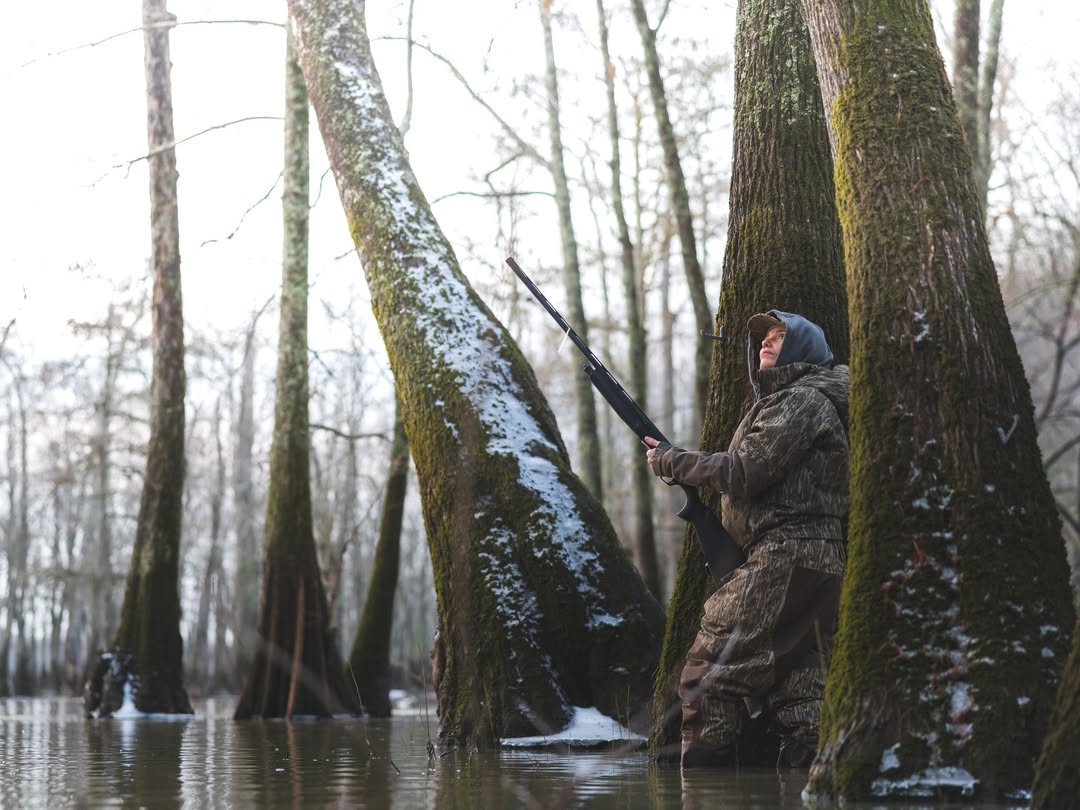
Early spring marks a critical transition in waterfowl behavior. As ice melts and shallow marshes reemerge from winter, ducks begin to explore feeding and resting areas in predictable ways. For hunters, understanding these patterns can turn a slow, frustrating day into a productive hunt. By focusing on shallow waters, recognizing early-season cues, and positioning strategically, you can maximize success before the full migration peaks.
Why Shallow Marshes Matter in Early Spring
Shallow marshes are often the first areas to warm after winter, offering ducks an abundant food supply and safety from strong currents or predators. In early spring:
- Water depth dictates access – Birds prefer 6–12 inches of water for dabbling species like mallards and teal.
- Emerging vegetation attracts feeding – As cattails, sedges, and grasses begin to grow, ducks locate tender shoots and seeds.
- Refuge areas provide cover – Marsh pockets with tall vegetation or mudflats protect ducks from wind and human disturbance.
Understanding these factors helps hunters predict where ducks will go, rather than chasing them blindly.
Reading the Marsh: Patterns to Watch
1. Feeding Zones Along Edges
Ducks often feed near the edges of shallow marshes. Watch for:
- Mudlines and shallow banks – Dabblers prefer these areas where seeds and invertebrates are exposed.
- Converging channels – Small creeks or drainage points concentrate food and create predictable feeding lanes.
- Wind-driven movement – Ducks often feed upwind to sense danger, so note wind patterns before planning your hunt.
2. Resting Pockets in Open Water
Even in shallow marshes, ducks need open water for rest:
- Look for small pools or deep pockets that provide safety but remain close to feeding zones.
- Early spring ducks may move frequently between feeding and resting areas, so identify multiple pockets within your hunting zone.
3. Flight Paths Between Feeding and Roosting
Ducks in shallow marshes rarely wander randomly:
- Track daily movements from sunrise to mid-morning and late afternoon to evening.
- Note consistent landing zones where ducks congregate—these are prime spots for decoy placement.
- Remember that early spring light levels and temperature changes influence when birds leave roosts.
Early Spring Duck Hunting Strategies
- Scout Before You Set Up – Walk the marsh or use elevated vantage points to identify active zones. Observation beats assumption.
- Use Natural Cover – Shallow marshes may have little visual obstruction, so blinds and natural vegetation are critical.
- Decoy Placement Matters – Place decoys near feeding edges and landing zones, keeping spreads modest to avoid spooking wary birds.
- Adapt to Water Depth – Early spring water levels can vary daily due to melting ice and rainfall. Flexibility in blind and decoy placement is key.
- Time Your Hunt Around Activity Peaks – Ducks are most active during the first hours after sunrise and the last hours before sunset.
Reading the Early Signs
Predicting movement in spring marshes is about paying attention to subtle cues:
- Tracks and trails in mud show where birds enter or leave feeding zones.
- Feeding evidence like tipped-over vegetation, small dug-up areas, or floating plant material indicates recent activity.
- Feather patterns can mark resting spots and help anticipate future returns.
Hunters who can read these early signs gain a distinct advantage over those relying solely on instinct or traditional hunting spots.
Why Early Spring Is a Unique Opportunity
Most hunters focus on peak migration, but early spring offers:
- Lower hunting pressure – Less competition means ducks are less wary and more approachable.
- Predictable movements – Birds are driven by survival needs rather than mass migration chaos.
- Strategic scouting insights – Observing behavior early sets the stage for successful hunts later in the season.
Shallow marshes offer a concentrated, manageable environment to apply these techniques, providing both learning and harvest opportunities.
Conclusion
Mastering spring marsh patterns in shallow waters requires observation, patience, and adaptability. By understanding where ducks feed, rest, and travel during the early spring thaw, hunters can predict movement with precision. This knowledge allows for better positioning, effective decoy placement, and ultimately, more successful hunts. For waterfowl enthusiasts, early spring in shallow marshes isn’t just a warm-up—it’s a strategic advantage waiting to be seized.
