
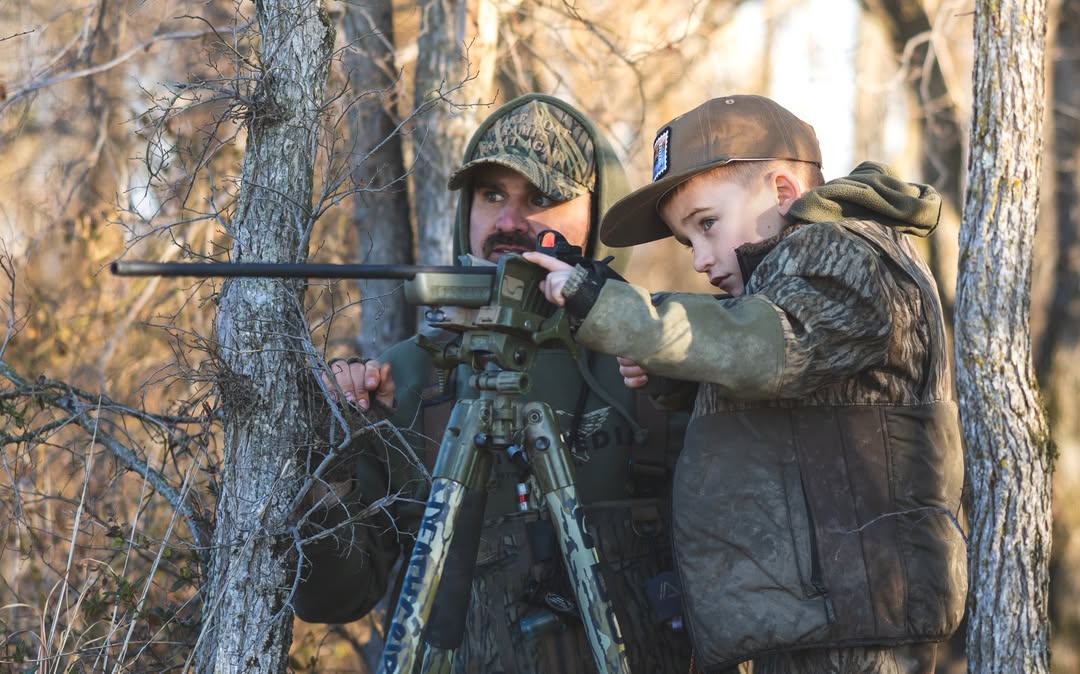
Early spring is one of the most exciting yet underappreciated periods for waterfowl hunters. While many hunters wait for the full migration and peak activity, savvy outdoorsmen know that this early window provides a strategic advantage. Ducks and geese have specific patterns and hotspots that emerge before the majority of birds hit their northern destinations, and understanding these early signs can make the difference between a missed opportunity and a successful hunt.
Understanding Early Spring Waterfowl Behavior
Before the main migration peaks, waterfowl are focused on survival and staging. In early spring, birds are:
- Recovering from long winter flights – Many waterfowl arrive from southern refuges and need areas with food and protection.
- Searching for open water – Melting ice dictates their feeding and resting locations.
- Conserving energy – Unlike the frenzy of peak migration, birds in early spring move cautiously, making them more predictable if you know where to look.
Recognizing this shift in behavior is key. Birds aren’t scattered randomly; they follow water, food, and cover.
Top Early Spring Hotspots
1. Shallow Marshes and Flooded Fields
Shallow water areas warm faster than lakes and rivers, making them prime feeding grounds. Flooded fields with leftover grains or seeds are magnets for ducks looking to replenish after winter. Early-season hunters should:
- Target areas with 6–12 inches of water depth.
- Focus on edges where vegetation is emerging—birds favor these transitional zones.
- Watch for patterns of repeated landings to identify the most consistent feeding zones.
2. Ice-Free River Sections
Rivers often clear of ice faster than lakes, creating narrow channels where waterfowl concentrate. Key tips include:
- Look for slower-moving pools where birds rest between flights.
- Scout upstream and downstream for natural bottlenecks or bends where ducks tend to congregate.
- Early mornings and late afternoons are prime times to intercept these movements.
3. Protected Wetlands
Early spring is still cold, so birds seek shelter from wind and predators. Protected wetlands with ample cover—like cattails or willows—are essential staging areas:
- Focus on marsh edges with unobstructed visibility for shooting lanes.
- Pay attention to mudflats, which often expose in early spring as ice recedes, providing feeding opportunities.
4. Refuge Ponds and Small Lakes
Smaller bodies of water that warm quickly attract waterfowl before larger lakes become accessible. Hunters can use these areas to:
- Set decoys in natural landing zones.
- Monitor bird behavior before migration peaks, gaining insights for later hunts.
Early Spring Hunting Strategies
- Scout Before You Hunt – Early spring requires observation. Spend time watching waterfowl movements to locate consistent hotspots.
- Use Minimal Disturbance – Birds are wary and fewer in number. Limit noise and approach slowly.
- Adapt to Weather – Warm sunny days can trigger local feeding flights, while cold fronts may slow bird movement. Adjust your strategy accordingly.
- Positioning Counts – Place yourself between roosting and feeding areas. Birds in early spring move methodically, and intercept points can lead to higher success.
- Decoy Placement – Keep decoy spreads realistic. Fewer birds mean exaggerated spreads can spook rather than attract.
Why Early Spring Can Outperform Peak Migration
Many hunters overlook early spring, waiting for the migration to peak. But the advantages include:
- Less hunting pressure – Early-season hotspots are often quiet and underutilized.
- Predictable patterns – Waterfowl are focused on survival, making their movements more predictable than during the chaotic peak migration.
- Opportunities to scout for later hunts – Observing habits early sets you up for success when migration accelerates.
Conclusion
Early spring waterfowl hunting is as much about understanding the birds as it is about shooting. By recognizing the subtle cues, targeting the right hotspots, and respecting the timing of this transitional season, hunters can take advantage of a unique and highly rewarding window. The key is preparation, patience, and knowing that before the migration peaks, every pond, marsh, and flooded field tells a story of opportunity for those willing to read it.
