
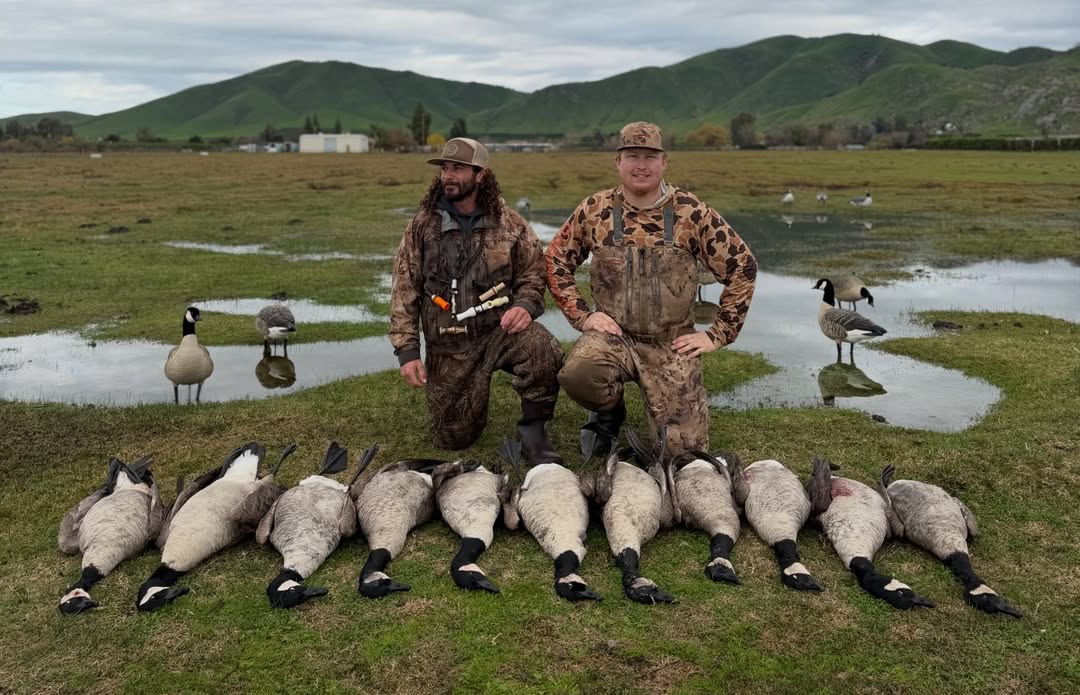
When duck season closes, most hunters pack up and shift their attention elsewhere. The marsh quiets down, decoys dry out, and pressure disappears almost overnight. To many people, the story ends there.
For ducks, it doesn’t.
The weeks between the end of hunting season and full spring migration are one of the most important—and least understood—periods of the year. Ducks don’t immediately head north. They pause, reposition, and recover, using the landscape in ways they rarely show during the fall.
If you want to understand ducks beyond opening day and limits, this is the time that explains everything.
Ducks Don’t Leave—They Redistribute
When hunting pressure disappears, ducks don’t vanish from the region. They spread out.
During the season, ducks are compressed into:
- Safe refuges
- Heavily used roosts
- Limited, predictable feeding areas
After the season ends, that pressure releases. Ducks begin using water they avoided for months—not because it suddenly improved, but because risk dropped to zero.
This redistribution makes ducks feel scarce, even when numbers remain high.
Post-Season Ducks Are Focused on Recovery
Winter is expensive. Ducks burn calories just staying alive—fighting cold water, wind, ice, and constant disturbance.
Once the season ends, priorities shift fast:
- Energy conservation replaces movement
- Security replaces concealment
- Efficiency replaces abundance
Ducks choose places where they can rest undisturbed for long stretches, even if food density is lower.
Quiet Water Becomes Prime Water
One of the biggest post-season shifts is habitat selection.
Ducks gravitate toward:
- Backwaters with little human activity
- Flooded timber no longer pressured
- Shallow wetlands away from access points
- Sloughs and oxbows that were ignored during fall
These areas don’t always look impressive, but they offer what ducks want most right now: predictability and rest.
Feeding Patterns Loosen, Not Tighten
During hunting season, feeding windows are tight and rushed. Afterward, ducks feed more casually and at less predictable times.
Common post-season feeding behavior includes:
- Midday feeding instead of dawn/dusk
- Short, repeated feeding movements
- Feeding closer to roost water
They aren’t racing darkness or dodging pressure anymore. Time becomes flexible.
Why Ducks Don’t Immediately Push North
Northbound migration isn’t triggered by one warm week. Ducks wait for multiple signals to line up.
They’re watching:
- Consistent overnight temperatures
- Ice conditions ahead of them
- Snow cover on breeding grounds
- Wind patterns that reduce energy cost
Until those align, moving north is a gamble—not an opportunity.
Transitional Zones Matter More Than Flyways
Between wintering grounds and breeding areas lies a broad middle ground—transition habitat that ducks rely on every year.
These zones often include:
- River systems with variable water
- Agricultural landscapes with residual grain
- Natural wetlands that thaw early
Ducks stage here to refuel and reassess before committing to long flights.
Ducks Spread Out Because They Can
One of the most noticeable post-season changes is dispersion.
Without pressure:
- Large flocks break into smaller groups
- Birds use multiple roosts instead of one
- Visual concentration disappears
To hunters used to fall patterns, it looks like ducks “left.” In reality, they finally gained options.
Visibility Replaces Concealment
Interestingly, ducks often choose more open water after the season.
Open areas allow:
- Early predator detection
- Easier takeoffs
- Reduced stress
This is the opposite of fall behavior, where concealment dominates. Safety now comes from awareness, not hiding.
What This Period Teaches Observant Hunters
Post-season duck behavior strips away the noise of pressure and reaction.
By watching ducks now, you learn:
- Which habitats they choose by preference
- How far they move when unforced
- What water they trust long-term
These lessons carry directly into better scouting and smarter decisions next season.
Why This Is the Most Honest Time of Year
During the season, ducks are responding to us. After it ends, they respond to the landscape.
No decoys.
No calls.
No avoidance patterns.
Just ducks doing what works best for them.
Final Thoughts: The Pause Before the Pull
Before the north pulls them again, ducks rest. They spread out. They reset.
This quiet window reveals the truth about duck behavior—what they value when nothing is pushing them to act differently. Hunters who pay attention now don’t just prepare for next season. They finally understand the birds on their own terms.
And that understanding lasts longer than any season ever will.
