
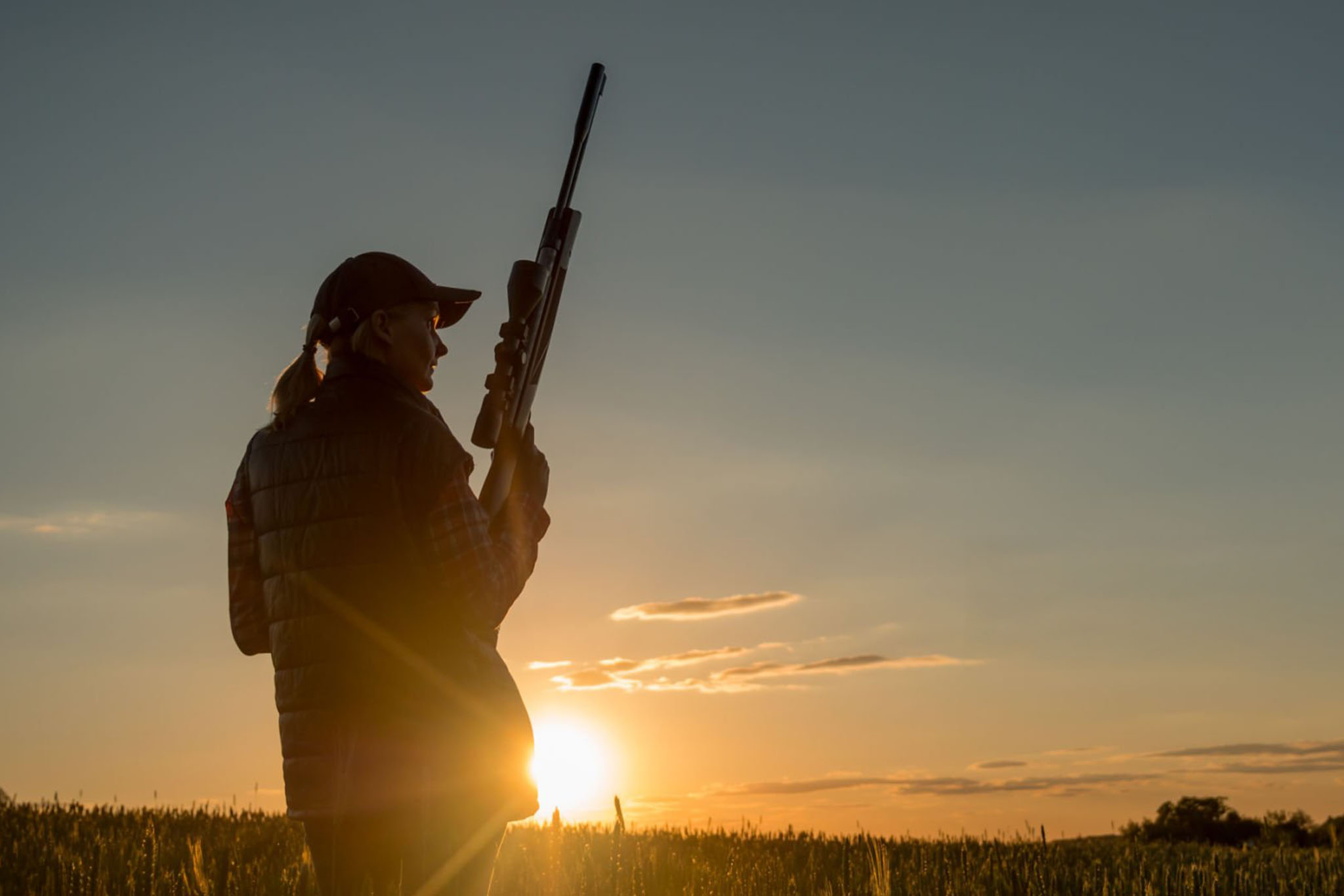
Most deer scouting advice revolves around summer trail cameras or fall boot-on-the-ground efforts. Early spring, however, sits quietly between seasons—often ignored, sometimes misunderstood. For serious deer hunters, this window offers something rare: accurate information without seasonal distortion.
Early spring scouting isn’t about chasing deer. It’s about understanding them when pressure is low and the landscape is honest.
The Landscape Is Fully Exposed
Before leaves return and vegetation explodes, the land tells its story clearly.
Early spring reveals:
- Terrain features hidden in summer
- Subtle elevation changes
- Old trails, crossings, and funnels
Without tall grass or thick brush, hunters can visually connect how bedding areas, feeding zones, and travel routes relate to one another. This kind of clarity is impossible later in the year.
Winter Survival Determines the Real Herd Layout
Early spring shows you which deer made it—and where they did it.
Instead of guessing population distribution:
- Winter concentration areas stand out
- Core bedding zones reveal themselves
- Abandoned areas confirm poor winter habitat
This information helps hunters reset assumptions before building fall strategies.
Sign Is Fresh but Not Chaotic
Unlike fall, where rut sign overlaps and confuses patterns, early spring sign reflects:
- Consistent travel routes
- Purposeful movement
- Limited, high-value use areas
Scrapes and rub lines may be old, but they highlight historically important corridors. When paired with fresh spring movement, these clues show what areas matter year-round—not just seasonally.
Human Pressure Is at Its Lowest Point
Few people are in the woods during early spring.
That means:
- No altered movement from pressure
- Natural travel routes remain visible
- Deer behavior hasn’t adapted to avoidance yet
Scouting now reveals how deer use the land when left alone, which is the baseline every hunter should understand.
Access Routes Become Obvious
Spring scouting isn’t just about deer—it’s about you.
Early spring conditions highlight:
- Quiet access paths
- Noisy approaches to avoid
- Wet areas that will be impassable in fall
Learning how to enter and exit efficiently months ahead prevents mistakes when the season matters most.
Bedding Areas Are Easier to Identify
Without dense cover, bedding sites stand out clearly.
Look for:
- Slight rises with wind advantage
- South-to-east facing edges
- Beds positioned for visual security
Identifying these areas early allows hunters to plan stand locations and avoid contaminating bedding zones later.
Trail Cameras Become Optional, Not Required
Early spring scouting relies more on eyes than electronics.
Instead of waiting for months of camera data, hunters can:
- Map travel corridors manually
- Understand terrain-driven movement
- Decide where cameras will actually matter
This saves time, money, and unnecessary intrusion.
Spring Scouting Builds Confidence, Not Guesswork
Hunters who scout early spring enter fall with:
- Fewer unknowns
- Fewer rushed decisions
- A mental map built over time
They aren’t reacting to fresh sign—they’re confirming expectations.
Mistakes Matter Less in Spring
Pressure mistakes made in fall push deer out of patterns. Mistakes made in spring usually fade.
That makes early spring:
- The safest time to explore new ground
- Ideal for learning public land
- Perfect for mapping overlooked areas
Knowledge gained now compounds instead of costing opportunity.
Why Early Spring Scouting Pays Off All Year
Information gathered during early spring often explains:
- Why deer appear in certain fall locations
- Why some stands underperform
- Why specific wind directions matter
Spring provides context, not just data.
Final Thoughts
Early spring is prime time for deer scouting because it strips away noise—both environmental and human. What remains is the truth of how deer use the land when survival, efficiency, and instinct guide their choices.
Hunters who invest time now don’t scramble later. They move with confidence, purpose, and patience—because the groundwork was already done.
In deer hunting, knowledge wins. Early spring is when the best knowledge is earned.
