
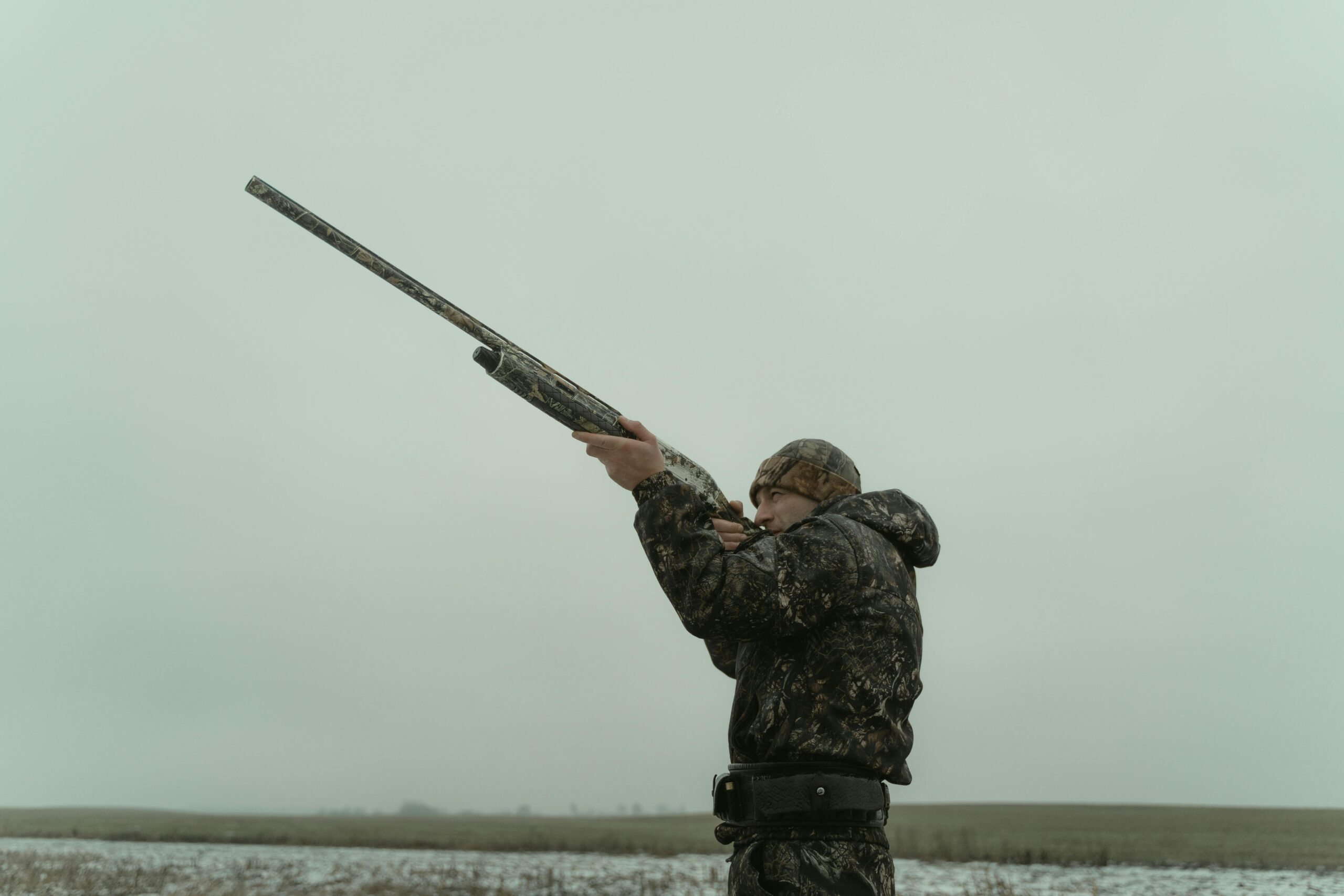
Winter hunting comes with its own challenges—biting wind, unpredictable animal movement, short shooting windows. But it also brings one massive advantage predator hunters often underestimate: sound travels farther and cleaner across snow-covered landscapes. When the air is cold, dense, and still, a coyote or fox can hear your call from far beyond the range you’re used to, and that opens the door to a different style of calling than what you’d use in early fall.
If you understand how sound behaves on frozen ground, you can build strategies that draw predators from surprising distances—quietly, naturally, and often without them knowing you’re anywhere nearby.
Why Sound Travels Farther Over Snow
Cold, dense air doesn’t just “feel” different—it changes the rules for sound transmission.
1. Cold Air Is Dense Air
Sound waves travel more efficiently through dense air, meaning your distress calls, howls, and squeaks can carry well over a mile in the right conditions.
2. Snow Absorbs Crunch but Amplifies Call Projection
Fresh powder muffles your movement, which is great for stalking.
But hard-crusted snow acts like a reflective surface, bouncing sound forward rather than absorbing it.
3. Wind Is Minimal at Dawn and Dusk
On cold mornings, thermals settle and wind stalls.
This creates a “quiet dome” where predators hear everything—and so should you.
Understanding these acoustic advantages is the foundation of winter predator calling success.
Choose Your Calls Wisely in the Silent Snow Season
1. Start Softer Than You Think
When sound carries farther, the number one mistake hunters make is blowing too loud too soon.
In quiet winter air, a coyote bedded 700–800 yards away can hear a low-volume rabbit distress like you’re right next to it.
Use gentle coaxing sounds first:
- vole squeaks
- lip squeaks
- soft rodent distress
- faint bird chirp distress
This imitates a nearby, vulnerable meal—perfect for hungry predators trying to conserve energy during the coldest months.
2. Ramp Volume in Stages
Instead of jumping straight into loud wails, increase intensity gradually.
A typical winter sequence might look like:
- 1–2 minutes of soft mouse or vole squeaks
- A 1-minute pause
- Low-volume cottontail or jackrabbit distress
- Another pause
- Medium-volume distress if nothing shows
- Optional canine vocals at the 10–12 minute mark
This “ladder calling” mimics real natural escalation and avoids blowing out close-range predators.
Use Predator Vocalizations to Your Advantage
1. Lone Howls Travel Best in Cold Air
Coyotes are very vocal in early winter, especially when they begin pairing up.
A single, non-aggressive lone howl can reach animals several ridges away and trigger immediate curiosity.
Use:
- lone interrogation howls
- young coyote howls
- pair-bond howls (in late December)
Avoid:
- aggressive challenge howls
- group yip-howls
Unless you are absolutely sure you’re targeting a territorial pair—it’s easy to push timid coyotes away with aggressive vocals in winter.
2. Pup Distress Still Works—But Use Sparingly
Because sound travels so far, pup distress can unintentionally drag multiple coyotes from different family groups and create unpredictable, chaotic approaches.
Use pup distress only:
- when you see coyotes hang up
- when they approach then circle
- or as an end-of-stand “last chance” sound
In winter silence, less truly is more.
Positioning Is Everything in Silent Snow Hunts
1. Set Up Where Sound Projects Cleanly
Winter landscapes often have wide-open fields, frozen creek bottoms, or hardwood draws.
You want your sound pointed into areas predators naturally travel.
The best setups include:
- the downwind edge of a frozen pasture
- open ridge points overlooking low country
- creek bottoms with soft curves
- frozen beaver ponds or cattail edges
Avoid setups where snow-laden pines or thick cedars trap sound and limit projection.
2. Use Terrain to Create Natural Sound Funnels
Sound travels farther downhill than uphill.
It also moves effortlessly across open, flat snow surfaces.
A great winter setup:
- caller placed 30–50 yards in front
- mouth caller or e-caller facing into a valley or basin
- hunter positioned on a slight rise with backdrop cover
This creates a natural megaphone effect.
Expect Longer Response Times in Winter
Predators conserve energy during the coldest months.
They aren’t sprinting miles on a whim.
Coyotes may take 20–30 minutes to commit.
Fox often sneak in slow and low.
Bobcats may take nearly an hour.
In winter’s quiet world, patience kills more predators than aggression.
Winter Movement Patterns That Affect Calling
1. Frozen Mornings = Strong Sound and Strong Responses
Cold, still dawn conditions make early morning your best window.
2. Midday Can Be Surprisingly Good
On sunny winter days, predators often get back on their feet around noon to warm up and hunt.
3. Late Afternoon Brings the Second Wind
As temperatures drop toward sunset, predators begin their evening movement route—another prime time for call-triggered responses.
Gear Tips for Silent Snow Hunts
1. Use White or Snow-Camo Layers
Predators see movement instantly against a snow background.
2. Choose Quiet, Insulated Boots
Crunchy boots ruin silent setups.
Brands that offer soft-rubber soles or insulated neoprene help reduce noise.
3. Keep Calls Warm
Cold speakers distort sound.
Keep your e-caller battery warm or inside your jacket until setup.
4. Don’t Forget Hand Warmers
Cold hands ruin accuracy, calling technique, and trigger control.
Final Thoughts: Silence Is Your Superpower
Winter doesn’t just challenge hunters—it amplifies smart tactics.
When the snow is deep and the air is still, your calling becomes magnified, your presence becomes quieter, and your opportunities increase. Predators hear more, respond from farther distances, and follow natural sound more predictably.
If you master the art of soft starts, vocal restraint, natural sound funnels, and patient setups, you’ll discover why silent snow hunts produce some of the most unforgettable predator encounters of the season.
