
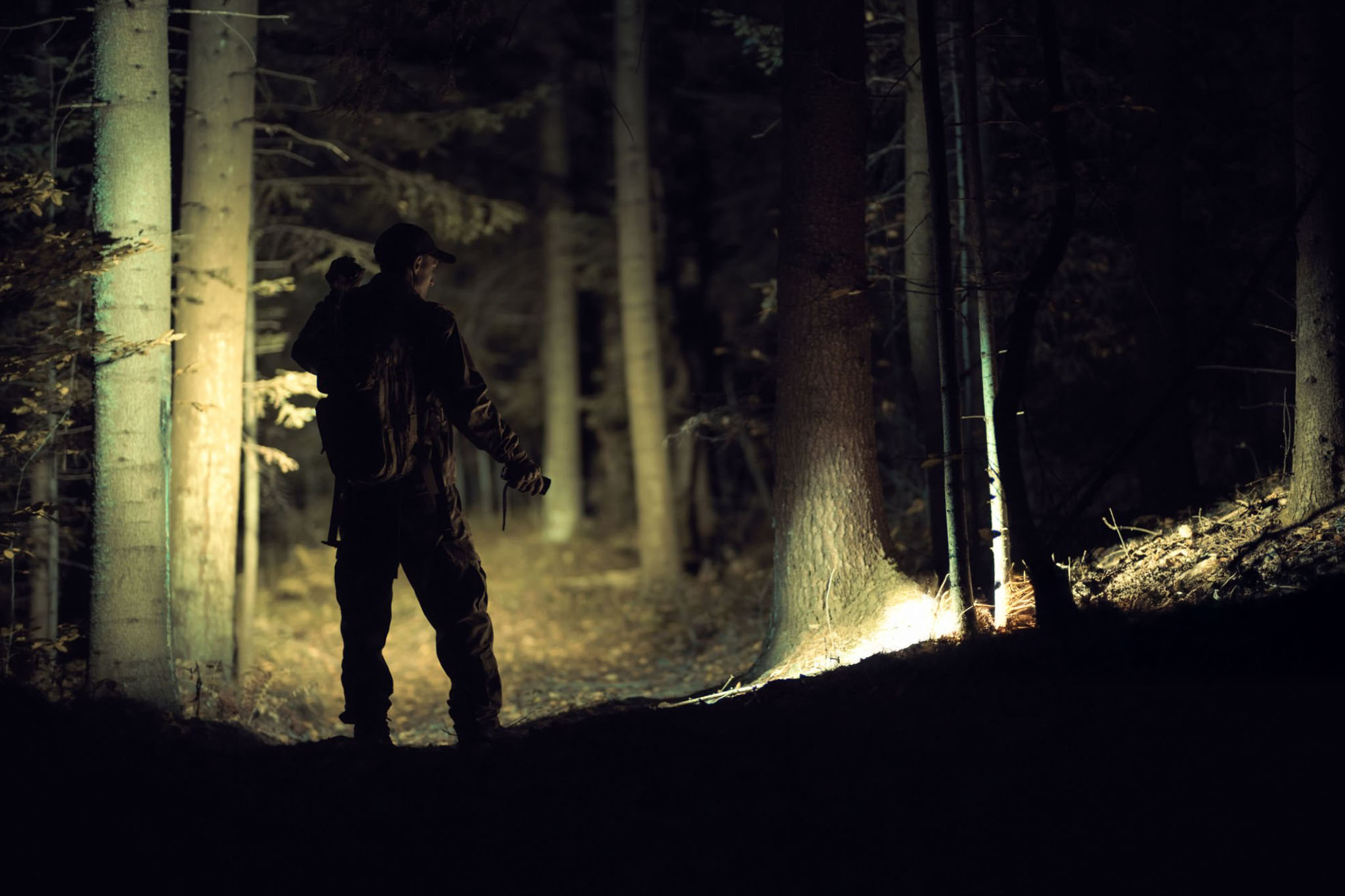
Winter hunting takes on an entirely different character when the moon rises over a frozen landscape. Under bright skies and reflective snow, predators move with more confidence, more visibility, and far more unpredictability than they do during the dark hours of early winter. For hunters who understand how moonlight reshapes the behavior of coyotes, foxes, bobcats, and other nocturnal predators, these glowing nights can offer some of the most strategic hunting windows of the entire season.
This article digs deep into how predators behave on moonlit winter nights, how the ice-and-snow environment affects their instincts, and the best tactics to capitalize on this rare combination of visibility, hunger, and lunar influence.
Why Moonlit Winter Nights Are a Game Changer for Predators
Predators aren’t just reacting to light. They’re responding to an entire set of environmental cues that shift dramatically under a bright, icy moon.
1. Increased Visibility Makes Hunting Easier
Snow-covered ground reflects moonlight, giving predators near day-like visibility. They can spot:
- Mice tunneling beneath the snow
- Rabbits moving across open fields
- Deer feeding along tree lines
This visibility gives predators a major advantage—and makes them more active.
2. Lower Wind and Clear Skies Encourage Movement
Bright moon nights usually arrive with high pressure, clear skies, and lighter winds. Predators conserve energy when conditions are harsh, but moonlit nights often mean:
- Less heat loss
- Better scent travel
- Easier navigation
These are optimal hunting conditions—and predators know it.
3. Prey Animals Become More Vigilant
With the landscape lit up, prey species increase their movement early in the night but quickly become skittish. This heightened tension triggers predators to move more deliberately and more aggressively.
4. Noise Carries Farther Over Ice
Frozen ground and crusty snow amplify sound. Predators can hear rodent activity under ice, but it also means they must move carefully to avoid crunching or cracking noises that ruin a stalk.
How Different Predators React to Bright Winter Nights
Moonlight doesn’t affect all predators the same way. Understanding their species-specific behaviors gives hunters a serious edge.
Coyotes
Coyotes often shift into long-range patrol mode under bright moonlight. They’ll travel open fields they would normally avoid, following shadows and terrain depressions to stay concealed while still covering large distances.
They become more vocal too, using yips and lone howls to locate pack mates or mark travel corridors.
Red Foxes
Red foxes thrive under bright skies. Their small frame and silent-footed walk let them hunt mice effortlessly across frozen terrain. They rely heavily on sound triangulation—and moonlight simply helps them confirm what they already hear.
Bobcats
Bobcats become highly methodical on moonlit nights. They move slower, relying on their stealth, but the extra light helps them pinpoint prey with uncanny precision.
They’ll often sit motionless for long stretches before making a sudden, explosive pounce.
Wolves
Where wolves are present, moonlight increases pack cohesion. Hunting becomes more coordinated, with wolves using open terrain to their advantage as prey animals become easier to track.
How Ice and Snow Change Predator Strategy
The terrain itself plays a massive role in predator activity.
1. Ice Reflects Light, Reducing Shadows
Predators lose some natural concealment, so they tend to:
- Hug creek bottoms
- Travel drainage ditches
- Follow fence lines
- Move along cattail edges
Any structure that creates shadow becomes a high-traffic travel route.
2. Snow Amplifies Sound
Predators compensate by slowing down, choosing softer snow, or circling around noisy patches. Their movements are calculated—not cautious, but efficient.
3. Frozen Lakes and Ponds Become Travel Highways
Smooth ice offers speed and quiet movement. Coyotes in particular use frozen water bodies to cut miles off their nightly routes.
4. Thermals and Scent Flow Change
Cold moonlit nights usually mean stable air. Scent can hang low and linger—good for predators, but also good for hunters who use wind properly.
How Hunters Can Take Advantage of Moonlit Winter Behavior
1. Adjust Calling to Match Predator Visibility
Loud, frantic distress sounds are less effective when predators can see so well.
Use:
- Soft rabbit distress
- Vole squeaks
- Single-pup whines
- Bird flutter distress
Subtlety is stronger than chaos.
2. Space Out Your Sets
Moonlight encourages predators to roam farther, so calling needs to reach into travel lanes. Longer gaps between sequences let predators work slowly toward the sound without feeling pressured.
3. Hunt the Edges of Frozen Features
Prime locations include:
- Frozen creek crossings
- Ice-covered ponds
- Snow-packed irrigation ditches
- Field edges illuminated by moonlight
Predators favor natural lines of movement that still offer minimal shadow cover.
4. Capitalize on Early-Night Movement
The first two hours after moonrise are dynamite. Predators begin searching immediately while prey activity is still high.
5. Use the Moon to Your Advantage
Position yourself so the moon is:
- At your back
- Over your left or right shoulder
- Outside your direct shooting lane
This prevents glare and keeps your silhouette melted into shadows.
Late-Winter Moon Phases That Matter
Certain lunar windows are especially productive:
Full Moon + Fresh Snow
Maximum visibility; predators move early and often.
Waning Gibbous (three days after full moon)
Predators continue their extended movement, but prey activity begins dropping—making calling more effective.
Cold Clear Nights After Storm Systems
This is arguably the hottest window of the season. Predators are hungry, conditions stabilize, and moonlight helps them cover ground quickly.
Gear Considerations for Moonlit Ice Hunts
Silent Movement Is Everything
Crunchy snow can betray you faster than any silhouette.
Avoid:
- Loud zippers
- Stiff face masks
- Hard-shell outerwear
Opt for soft-shell or fleece-lined layers that minimize noise.
Use Optics Designed for Low Light
Moonlight may brighten the landscape, but shadows deepen too. Good glass can help identify predators skirting dark edges.
Insulated Boots Matter More Than Ever
Long stands on frozen ground demand footwear that doesn’t leak warmth. Staying still is harder under a bright moon—you can’t afford foot numbness pulling you out of the hunt.
Final Thoughts: Moonlight Doesn’t Just Illuminate Predators — It Changes Them
Bright winter skies amplify predator instincts—movement, hunting urgency, pattern shifts, and territorial behaviors all sharpen with the moon’s reflection bouncing off ice and snow. For hunters who take the time to understand these changes, moonlit nights become more than a beautiful backdrop—they become intensely productive hunting windows filled with possibility.
Master the moon, learn the ice, and lean into the stillness of winter’s brightest nights. Predators are moving. Your opportunity is moving with them.
