
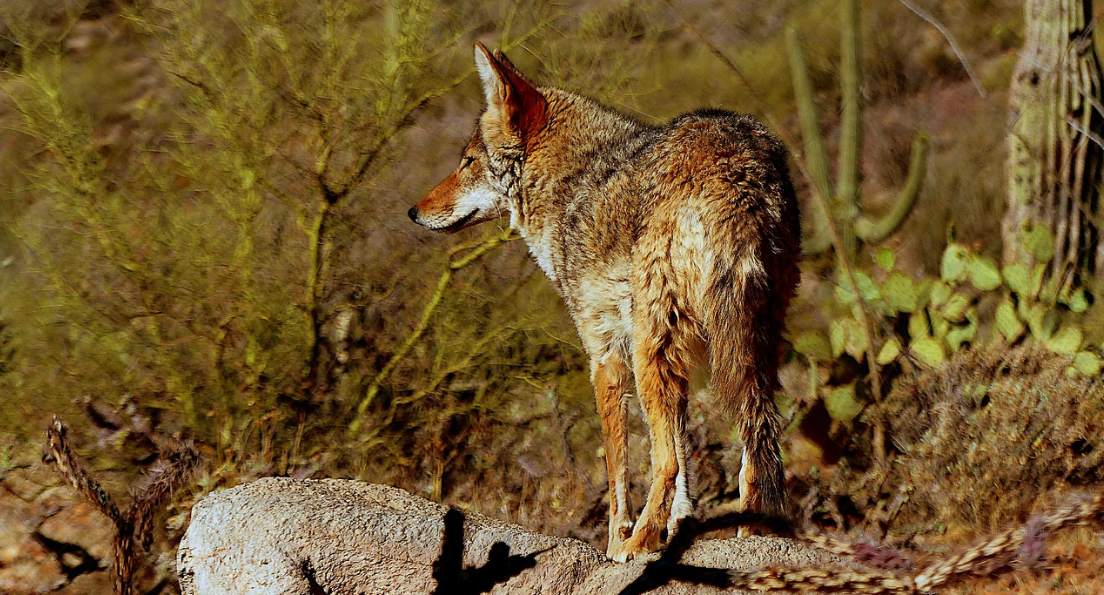
When winter settles deep and the mercury drops, coyotes enter a biological slowdown that changes everything about how they move, hunt, and respond. Cold air doesn’t just reshape their patterns — it sharpens them. Their metabolism drops, their caloric needs skyrocket, and their risk tolerance shifts in surprising ways. For hunters who understand this seasonal transformation, late-season coyote hunting becomes one of the most strategic and rewarding pursuits of the year.
This guide breaks down what cold weather does to coyotes, why their behavior changes, and the best ways to trigger hard, aggressive responses when they’re trying to conserve every ounce of energy.
Understanding Cold-Weather Metabolism: Why Coyotes Behave Differently
Coyotes are incredibly adaptive, but bitter temperatures force their bodies into conservation mode. Here’s what happens when frigid air rolls in:
1. Reduced Movement to Save Energy
Coyotes minimize unnecessary travel. Instead of covering miles across open country, they’ll tighten their home range and stick closer to bedding and reliable food sources.
2. Higher Caloric Demands
Cold air drains calories fast. Even though they move less, their bodies burn more fuel just staying warm — making food scarcity a powerful motivator.
3. Increased Risk-Taking When Hunger Spikes
During prolonged cold spells or after storms, hunger overrides caution. This is when coyotes respond most aggressively to calls.
4. Dependence on Easy Meals
In winter, coyotes seek the fastest calories for the least energy output. That’s why calling becomes exceptionally effective — if you know what they’re listening for.
Why Cold Weather Gives Hunters the Advantage
While some hunters back out during freezing conditions, dedicated predator hunters know this is peak opportunity. Cold weather:
- Narrows coyote travel corridors
- Makes them more vocal
- Pushes them to respond quicker
- Increases daytime movement after storms
- Reduces competition from human pressure
The trick is matching your calling and setup to the metabolic and behavioral reality of winter coyotes.
Triggering Responses: Calls That Work When Coyotes Are Conserving Energy
1. Start Subtle: Low-Energy Prey Sounds
Early in your set, avoid loud, dramatic distress. Coyotes saving energy won’t sprint a mile for something that sounds chaotic and high-effort.
Use soft, vulnerable sounds like:
- Light vole squeaks
- Mouse peeps
- Subtle bird distress
- Whimpering rabbit calls
These sounds represent low-risk, low-energy meals — exactly what cold coyotes prefer.
2. Use Long, Quiet Stand Times
Coyotes in cold weather take more time to commit. Let your sequences stretch:
- 20–30 minute stands become normal
- More listening, less calling
- Longer gaps between sequences
Patience kills more coyotes in January than any sound ever will.
3. Introduce Pup Whines for Emotional Triggers
Even when metabolism drops, social instincts remain strong. Pup whimpers or whines can pull coyotes that ignore distress sounds.
Cold weather makes family groups stick closer together, and emotional calls often override energy conservation.
4. Save Aggressive Sounds for the Right Moment
During a hard cold snap, or right after a snowstorm, coyotes will risk more.
That’s when to use:
- Jackrabbit distress
- Aggressive coyote challenges
- High-pitched frantic prey
These calls can flip cold-weather coyotes from cautious to desperate.
Late-Season Positioning: Where Cold Coyotes Actually Are
1. South-Facing Slopes
These warm quickly and hold daytime activity.
2. Thick Cover Near Food
Brush pockets near:
- cattle operations
- carcass dumps
- rabbit-rich draws
- frozen wetlands
Coyotes want to conserve heat and calories — these areas let them do both.
3. Wind-Blocked Bedding Zones
Think cedars, cattail swamps, rimrock shelves, deep creek bottoms.
4. Post-Storm Activity Zones
Right after snowfall, look for:
- fresh tracks
- wind-sheltered trails
- edges of farm fields
Coyotes often break cover to forage the moment storms pass.
When Cold Coyotes Commit Hard
The magic conditions for explosive responses are:
- Single-digit temperatures
- Light wind or dead calm
- High pressure after a storm
- New snow on the ground
- First warm-up after days of brutal cold
These moments heighten hunger and reduce caution. They are the “all chips in” windows serious coyote hunters live for.
Gear Considerations for the Frozen Late Season
Success comes down to comfort and mobility. Cold weather punishes unprepared hunters.
Must-Haves:
- Insulated, waterproof boots that stay warm during long stands
- A wind-cutting outer shell
- Layering system that prevents sweat freeze
- Quiet gloves that allow trigger feel
- Hand muff with heat packs
- A stable shooting rest or tripod (cold makes muscles shake)
The better you handle the cold, the better you’ll perform when coyotes show up at minute 28.
Final Thoughts: Master the Metabolism, Master the Hunt
Cold-air coyotes are a different animal — slower, tighter in movement, but far more vulnerable to well-timed calls. When their metabolism runs low, every calorie becomes a decision. Your job is to make the decision easy.
Use subtle sounds. Stay patient. Hunt the warm pockets. Capitalize when the weather breaks. And above all, understand that winter doesn’t make coyotes impossible — it makes them predictable.
When the air is cold and the woods go silent, that’s when the smartest hunters step in. That’s when coyotes make mistakes.
And that’s when you should be there.
