
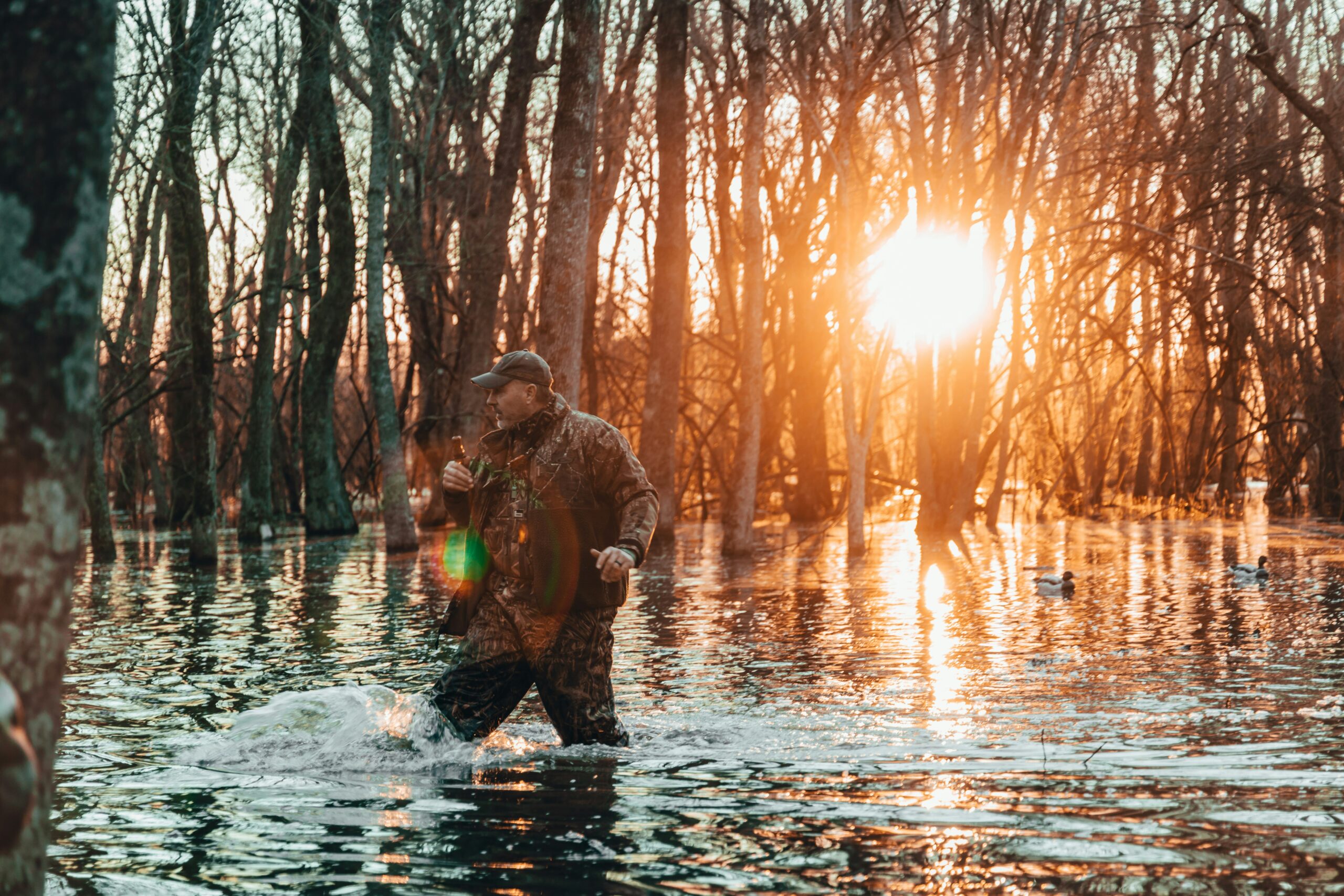
December throws hunters a tough curveball: short daylight, cold mornings, and deer that often seem to move only when you’re not in the woods. Many hunters pack up early, convinced that the best hours have passed as soon as the sun comes up. But seasoned late-season hunters know the truth—the midday window in December can be one of the most productive times of the entire season.
When the sun rises low, food gets scarce, and the rut remnants still linger, deer make subtle but predictable moves between late morning and early afternoon. The hunters who stay put—or better yet, plan specifically for this window—put themselves in position to tag bucks that most others never even know existed.
This article breaks down exactly why midday movement spikes in December, where it happens, and the smart strategies that make the most of those hours.
Why Midday Matters in December
1. The Sun Is Weak, but It’s the Only Warmth Deer Get
By December, nighttime lows can be severe, and deer spend the darkest hours conserving energy in thick cover. When the sun finally breaks the horizon:
- South-facing slopes warm first
- Bedding areas become comfortable
- Deer shift to new thermal pockets
The warming window is late morning to early afternoon—not at dawn.
2. Feeding Patterns Shift Later Into the Day
As food sources diminish and temperatures drop, deer conserve calories by minimizing unnecessary movement. They tend to:
- Rise late from bedding
- Browse during the warming hours
- Make short, predictable midday feeding loops
It’s a subtle pattern—but perfectly timed for a hunter sitting tight.
3. Post-Rut Bucks Use Midday to Recover
December bucks are worn down, beat up, and calorie starved. The post-rut recovery phase drives movement that’s:
- Slower
- More cautious
- Surprisingly centered around midday warmth
Experienced hunters often see mature bucks appear between 11 AM and 2 PM, especially near high-value food.
4. Human Pressure Drops at Midday
This is one of the biggest reasons midday works so well.
Most hunters:
- Leave their stands by 9 or 10
- Walk out noisily
- Push deer deeper into cover
- Stay gone until last light
That means you are the only one hunting when deer feel safest.
Where Deer Move During the Midday Window
1. South-Facing Bedding Slopes
These slopes soak up sunlight, breaking the cold briefly. Deer shift positions to:
- Warm themselves
- Reposition within bedding
- Browse along thermal edges
These subtle movements often happen between 10 AM and 1 PM.
2. Secondary Food Sources
In December, “secondary” doesn’t mean less valuable—it means less pressured.
Look for:
- Edge browse
- Green growth protected by conifers
- Honeysuckle thickets
- Early-dropping red oak acorns still on the ground
- Brushy food pockets close to bedding
Deer will move just far enough to nibble, then settle back down.
3. Travel Routes Between Bedding Pockets
Bucks recovering from the rut move more during midday to reposition within a bedding system.
Prime midday travel corridors include:
- Benches
- Ridge saddles
- Old logging roads
- Narrow strips of timber between thickets
These routes are sheltered and lightly pressured—perfect for cautious mature deer.
4. Thermal Hubs in Creek Bottoms
When cold settles hard, bottoms can stay slightly warmer. Deer often drop into:
- Creek drainages
- Thermal bowls
- Thick creek crossings
These are great stand locations for an all-day sit.
Smart Tactics for December Midday Hunts
1. Commit to an All-Day Sit—or at Least a Late-Morning Start
If you can sit sunrise to sunset, this is the month to do it.
But if you can’t, the next-best plan is this:
- Arrive at your stand no later than 9:00 AM
- Stay until at least 2:00 PM
You’ll catch the entire midday window.
2. Hunt Bedding Edges, Not the Bedding Itself
December deer are spooky.
Set up:
- Just off leeward bedding cover
- Downwind of travel corridors
- On the fringes of thick security cover
Let deer come to you as they reposition within the bedding area.
3. Play the Sun, Not Just the Wind
Winter sun angles matter.
Set your stand so that:
- The sun hits your back (warmer and less visible)
- The shadows fall in your favor
- The glare hits deer as they approach
December sunlight is low and predictable—use it like camouflage.
4. Keep Your Noise and Movement Near Zero
Cold air amplifies everything.
Avoid:
- Zippers
- Swishy jackets
- Hard-shell layers
- Metal-on-metal gear
Instead use:
- Quiet fleece
- Soft-shell pants
- Hand mufflers instead of glove rustling
A noisy hunter ruins more midday sits than the wind ever will.
5. Use Subtle Calling—If Any
December is not the time for aggressive calling.
Light, restrained tactics work best:
- Single tending grunt
- Very light tickling of rattling antlers
- Soft doe bleats
Keep everything conservative. Bucks in December don’t tolerate risk.
6. Bring Warmth, Food, and Patience
Midday success hinges on the hunter staying put.
Preparation means:
- A seat cushion
- Hand warmers
- Thermos
- Quiet snacks
- An extra layer
A comfortable hunter is a patient hunter—and patience kills December deer.
The Best Days for Midday Success
December isn’t equal. The strongest midday windows occur:
✔ Right after a cold front stabilizes
A bluebird, high-pressure day is perfect.
✔ When morning lows are brutally cold
Deer wait for the warmth.
✔ Post-rut recovery periods
Worn-down bucks move slowly but steadily during midday.
✔ On days with calm or light winds
Deer feel safest moving during quiet hours.
Final Thoughts
Short days don’t mean short opportunities.
December’s tight daylight forces deer to move during the warmest hours—and that gives midday hunters a major advantage.
While most hunters head home, drink coffee, or warm up by the heater, mature bucks are quietly slipping through bedding edges, browsing thermal cover, and repositioning within their core range.
The key is staying put, hunting smart, and planning specifically for this overlooked window.
In December woods, the midday hunter is the successful hunter.
