
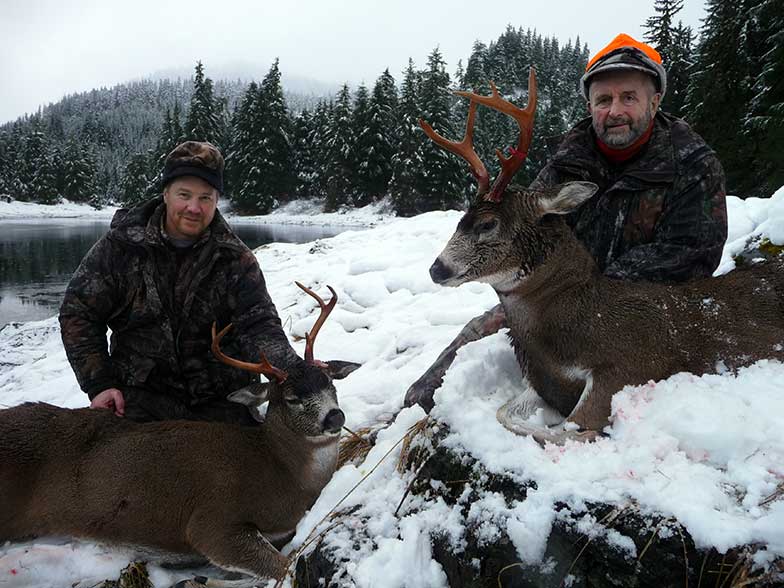
When a cold front barrels through and the temperature drops fast, hunters across the country feel the same spark of excitement—this is movement weather. But the real question is: why do deer shift patterns so dramatically the moment a cold front hits? And more importantly, how can you position yourself to take advantage of the change?
This guide breaks down the science, the field behavior, the terrain adjustments, and the hunting tactics you need to make the most of cold-front deer movement. If you’re chasing late-fall or early-winter bucks, understanding this weather-driven reset is one of the biggest edges a hunter can get.
Why Cold Fronts Increase Deer Movement
Cold fronts don’t just cool things down—they reshape the entire energy landscape deer depend on. Several key factors collide at once:
1. Metabolic Boost: Deer Need More Calories
A sudden temperature crash forces whitetails and mule deer to burn more energy just to stay warm.
When the mercury drops fast, deer shift from browse-as-you-go feeding to high-calorie replenishment, pushing them to:
- Move longer distances
- Feed earlier in the afternoon
- Hit known food sources more aggressively
Cold means hunger. Hunger means predictable travel.
2. Pressure Changes Influence Movement
Barometric pressure spikes after a front, and deer respond quickly to that brighter, clearer, high-pressure atmosphere.
You’ll often see:
- Midday movement during the pressure climb
- Deer leaving bedding earlier in the evening
- Increased movement in open areas
Deer don’t read pressure charts — but their bodies absolutely react to them.
3. Wind Shift Re-Routes Deer Travel
Most fronts swing winds around abruptly.
This forces deer to re-evaluate how they:
- Scent-check bedding areas
- Travel ridge lines
- Approach food sources
New wind = new travel paths. When the wind stabilizes behind the front, movement often spikes.
Where Deer Go Immediately After a Cold Front
1. South-Facing Slopes (Thermal Advantage Zones)
When temps plunge, deer gravitate toward:
- South- and southeast-facing slopes
- Hillsides that get morning sun
- Elevated terrain where cold air drains away
These spots warm up first—and deer know it.
2. Food Sources With the Highest Energy Density
After a front, deer often hit:
- Cut corn
- Standing beans
- Brassica plots
- Hard mast still on the ground
They’re trying to refill the tank as efficiently as possible.
Avoid low-value food: winter browse, weedy patches, and scattered grasses. Deer will always choose fuel over filler after a front.
3. Thick Bedding Cover Close to Food
Cold fronts condense deer patterns.
Bedding shifts closer to groceries, especially:
- Young clear-cuts
- Cedar thickets
- Pine edges
- CRP pockets
This tight bedding-to-food circuit makes evening sits far more effective.
4. Leeward Side of Ridges
Once the wind stabilizes, bucks cruise the downwind ridge faces to scent-check does safely.
These areas offer:
- Predictable wind
- Thermal tunnels
- Quiet leaf cover after frost
It’s one of the best places to intercept a mature buck after a temperature drop.
How Bucks Specifically Change Behavior After Cold Fronts
✔ Increased Daylight Movement
Even old, heavy-racked bucks that normally stay nocturnal get moving earlier.
They’ll often:
- Visit scrapes after the drop
- Make loops checking doe bedding
- Travel downwind edges of fields before dark
Temperature and daylight can combine to push true giants on their feet.
✔ More Cruising During Midday
Clear, cold, high-pressure afternoons often produce surprising buck movement:
- Secondary ridges
- Downwind of funnels
- Edges of cutover timber
If you normally leave the stand at 11 AM, a cold front is when you should rethink it.
✔ Bucks Check Wind-Advantaged Routes First
A front resets their predictable patterns:
- They favor ridges over bottoms
- Windward travel slows down
- Downwind transition edges heat up
Bucks don’t wander randomly—they cruise efficiently.
Best Stand Locations After a Cold Front
1. Downwind Edges of Food Sources
The place to catch an early mover.
Bucks scent-check the area without exposing themselves.
2. Travel Corridors Linking Bedding and Food
The colder it gets, the tighter these routes become.
Look for:
- Saddles
- Fence gaps
- Logging roads
3. Scrape Lines on Ridge Edges
Colder weather reactivates scrape interest, especially for mature bucks still monitoring does.
Top Tactics to Capitalize on a Cold Front
⭐ 1. Hunt the First Afternoon After the Temperature Drop
This is your highest-movement window.
⭐ 2. Slow Down Your Calling
Cold air carries sound farther. Use:
- Soft tending grunts
- Light rattling (only if appropriate for your region)
⭐ 3. Stay Until Last Light
Bucks often move just before the sun drops behind the horizon on colder days.
⭐ 4. Bring Quiet Gear
Cold amplifies noise. Replace:
- Stiff jackets
- Loud harness straps
- Swishy pants
with soft shells or fleece layers.
⭐ 5. Check the Wind Twice as Often
Fronts make wind fickle — swirling thermals can bust more hunts than deer can.
Final Thoughts
Cold fronts are movement gold—for hunters who understand them. When temperatures crash, deer aren’t just “more active.” They change patterns:
- They move earlier
- They feed harder
- They reposition bedding
- They cruise smarter routes
- They become more visible in daylight
If you adjust your stand locations, timing, and tactics accordingly, a cold front may be your best chance all season to tag the buck that’s been evading you.
