
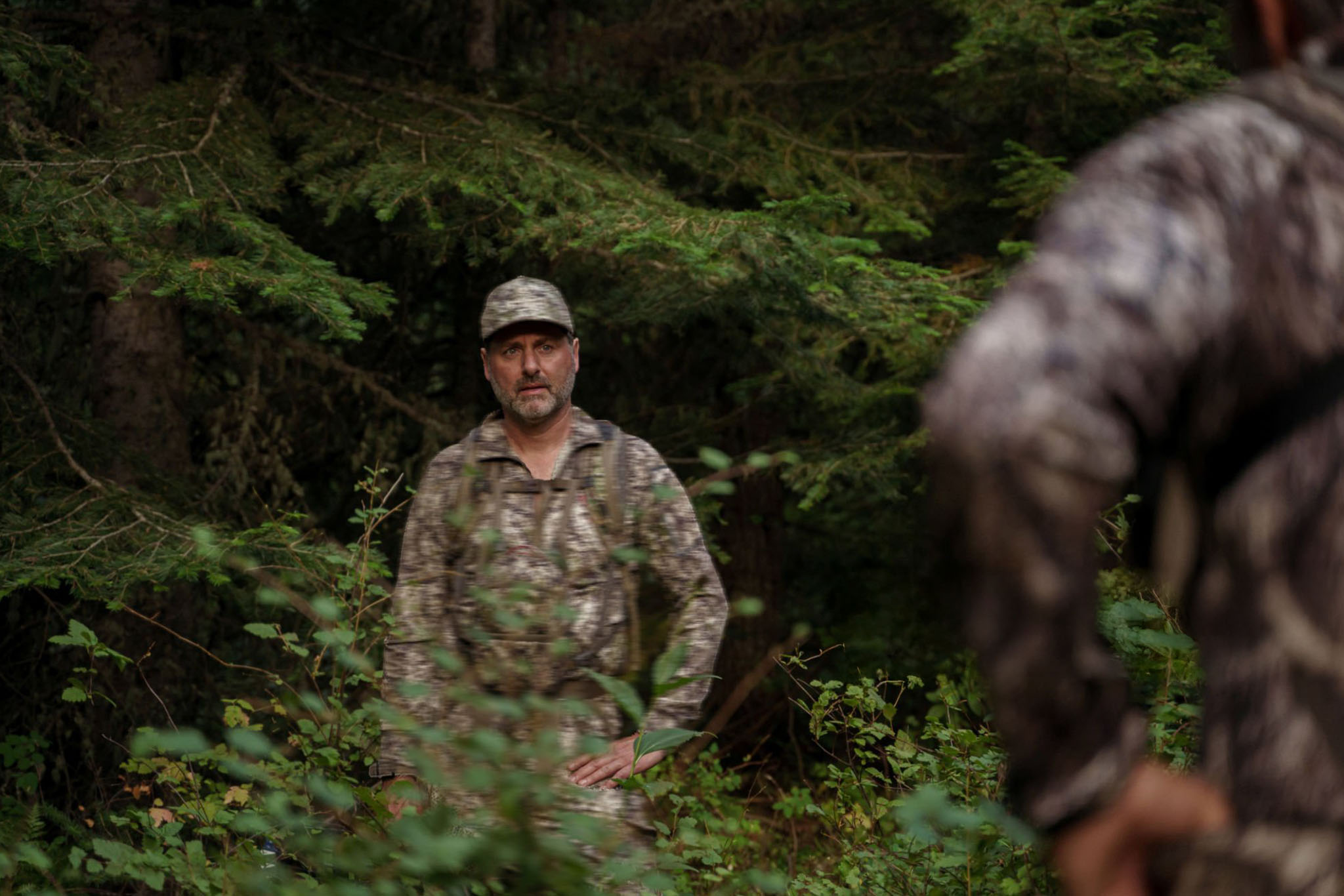
Hunting during shifting weather patterns can be both challenging and rewarding. When cold fronts, warm fronts, or gusty winds sweep through, they dramatically influence the movement and behavior of deer, waterfowl, and other game. For hunters who know how to read the wind and position themselves accordingly, these conditions can turn into prime opportunities.
Understanding the Role of Weather Fronts
A weather front is essentially the boundary between two air masses—cold, warm, or stationary. These transitions affect:
- Wind direction and speed
- Atmospheric pressure
- Temperature changes
Game animals are highly sensitive to these shifts. Deer, for instance, often alter their bedding and feeding patterns, moving earlier or later depending on the pressure and wind. Waterfowl may adjust flight paths, preferring calm, sheltered areas during gusty winds.
Reading the Wind Before You Hunt
The first step in choosing a stand location during front activity is understanding wind dynamics:
- Cold Fronts: Typically bring colder, denser air and gusty conditions. Deer will often move to leeward edges of fields or thick cover for shelter.
- Warm Fronts: Bring rising temperatures and shifting winds, which can cause deer to move earlier into feeding zones.
- Stationary Fronts: May leave wind directions inconsistent, requiring hunters to identify local wind breaks, such as ridges or tree lines.
Strategic Stand Placement
Leeward Advantages
Placing your stand downwind of bedding areas maximizes your chances of remaining undetected. Deer moving with the wind at their back are less likely to catch your scent. Key tips:
- Use natural ridges, brush lines, or tall grass to shield your presence.
- Identify trail convergence points where multiple deer paths intersect.
Waterfowl Considerations
For waterfowl hunters, wind is critical:
- Sheltered pockets of water become prime resting spots during strong gusts.
- Wind-facing decoy spreads can guide birds toward your blind while minimizing detection.
- Edge zones near reeds or tree lines help conceal movement when shooting into a headwind.
Timing Your Hunt
Fronts can change quickly. To stay ahead:
- Scout in advance to locate wind-protected travel corridors.
- Be prepared to adjust your stand location if the wind shifts during the hunt.
- Use weather apps or local reports to anticipate barometric pressure changes, which often predict peak animal movement.
Gear and Safety Tips
- Windproof clothing helps hunters stay comfortable during gusty conditions without over-layering.
- High-grip boots ensure stability on slick or uneven terrain created by rain or frost accompanying fronts.
- Navigation tools like a compass or GPS are critical when trees sway and landmarks shift appearance in high winds.
Observing Animal Behavior
Animals provide clues about how to position your stand:
- Deer often move along sheltered fence lines, creek bottoms, or forest edges when winds pick up.
- Waterfowl react to sudden weather shifts by resting in areas with minimal exposure.
- Tracking recent sign—tracks, droppings, or broken branches—helps confirm which routes animals favor during front activity.
Conclusion
Mastering hunting during fronts is about more than patience—it’s about strategy. By understanding how weather patterns influence animal behavior, reading wind and pressure changes, and positioning stands in sheltered, high-traffic areas, hunters can turn challenging conditions into successful hunts. The key is preparation, observation, and flexibility—true traits of a “wind whisperer.”
