
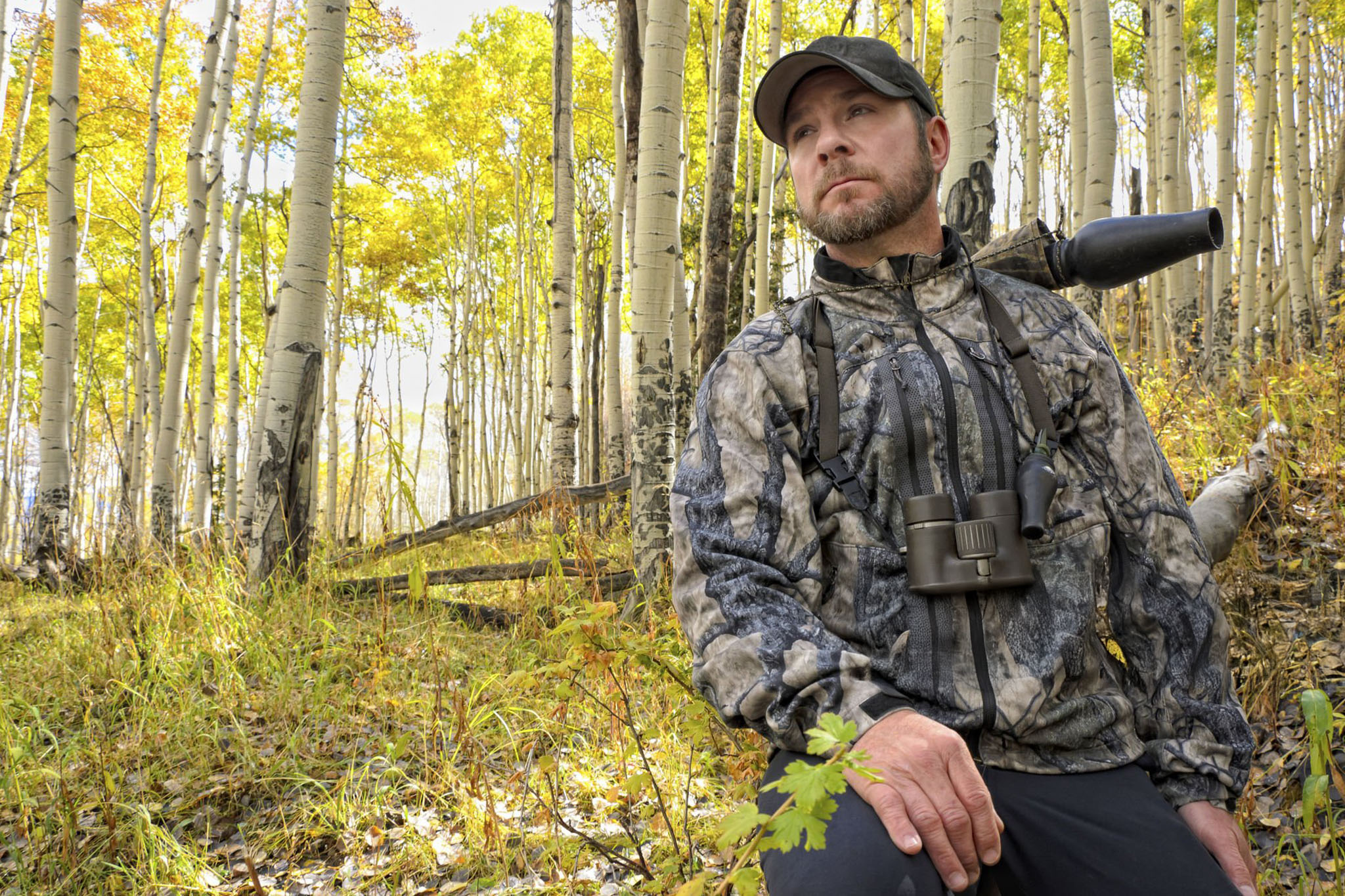
Hunting in winter presents unique challenges. Snow can amplify every sound and make even the slightest movement visible to wary game. For hunters, mastering the art of silent movement through snow-covered woods is essential for late-season success. With preparation, awareness, and the right techniques, you can turn the snow from an obstacle into a stealth ally.
Understanding Snow’s Impact on Hunting
Snow changes the hunting landscape in several ways:
- Sound Amplification: Crunching snow makes every step audible over long distances.
- Visual Contrast: Fresh snow makes tracks and movements highly visible.
- Animal Behavior: Wildlife often adjust travel paths, favoring sheltered routes, and may become more alert in open snow-covered areas.
Recognizing these factors is the first step to staying undetected.
Footwear and Clothing Choices
Silent movement begins at the feet:
- Soft-soled, insulated boots help dampen crunching sounds. Rubber soles often create more noise; consider winter hunting boots designed for minimal sound.
- Gaiters and snow pants reduce friction with snow, preventing unnecessary rustling.
- Camouflage patterns that blend with snow and bare winter woods improve visual concealment.
Layering is also critical: avoid bulky layers that restrict movement and increase the chance of brushing against branches.
Techniques for Moving Silently
Step Lightly
- Walk heel-to-toe to minimize snow compression.
- Roll your foot to spread pressure and reduce cracking noises.
- Step on soft snow or previously broken paths whenever possible.
Use Natural Cover
- Stick close to trees, shrubs, and fallen logs to break up your silhouette and muffle sound.
- Move through areas where leaf litter or pine needles lie under the snow—these materials absorb noise.
- Avoid open, flat snowfields unless necessary, as movement is easily detected.
Slow and Controlled Movements
- Slow, deliberate steps reduce both noise and visibility.
- Pause frequently to listen for wildlife movement and adjust your path.
- Keep your body low and balanced to maintain control on slippery terrain.
Tracking and Trail Avoidance
- Avoid stepping in fresh tracks, which can alert game to your presence.
- When possible, walk along ridges or frozen creek edges, which may offer firmer footing and less snow disruption.
- Observing wildlife sign helps anticipate where animals will move, allowing you to avoid high-traffic paths.
Mindful Breathing and Scent Control
Snowy winter air can carry human scent farther:
- Keep movements slow and controlled to reduce heavy breathing.
- Consider wind direction carefully—always approach downwind of bedding areas.
- Avoid contaminating your path with strong-smelling gear or clothing.
Tools to Assist Silent Movement
- Microspike traction devices help maintain balance on icy patches without slipping.
- Walking sticks or trekking poles can absorb weight and prevent sudden snow crunching, especially on slopes.
- Binoculars or spotting scopes allow you to scan from a distance, reducing unnecessary close approaches.
Observing Wildlife Reactions
Animals provide immediate feedback:
- Deer ears flicking, birds taking flight, or small mammals scurrying are signs you’ve been detected.
- Adjust movement accordingly, retreating slowly or pausing until the environment settles.
- Study patterns of sheltered travel corridors, often under tree cover or along leeward slopes.
Conclusion
Mastering the art of silent movement through snow-covered woods requires patience, preparation, and attention to detail. By combining soft-footed techniques, strategic path selection, mindful body movements, and scent awareness, hunters can remain nearly invisible even in a winter landscape. Snow need not be an obstacle—it can be your greatest ally when stalking wary game.
