
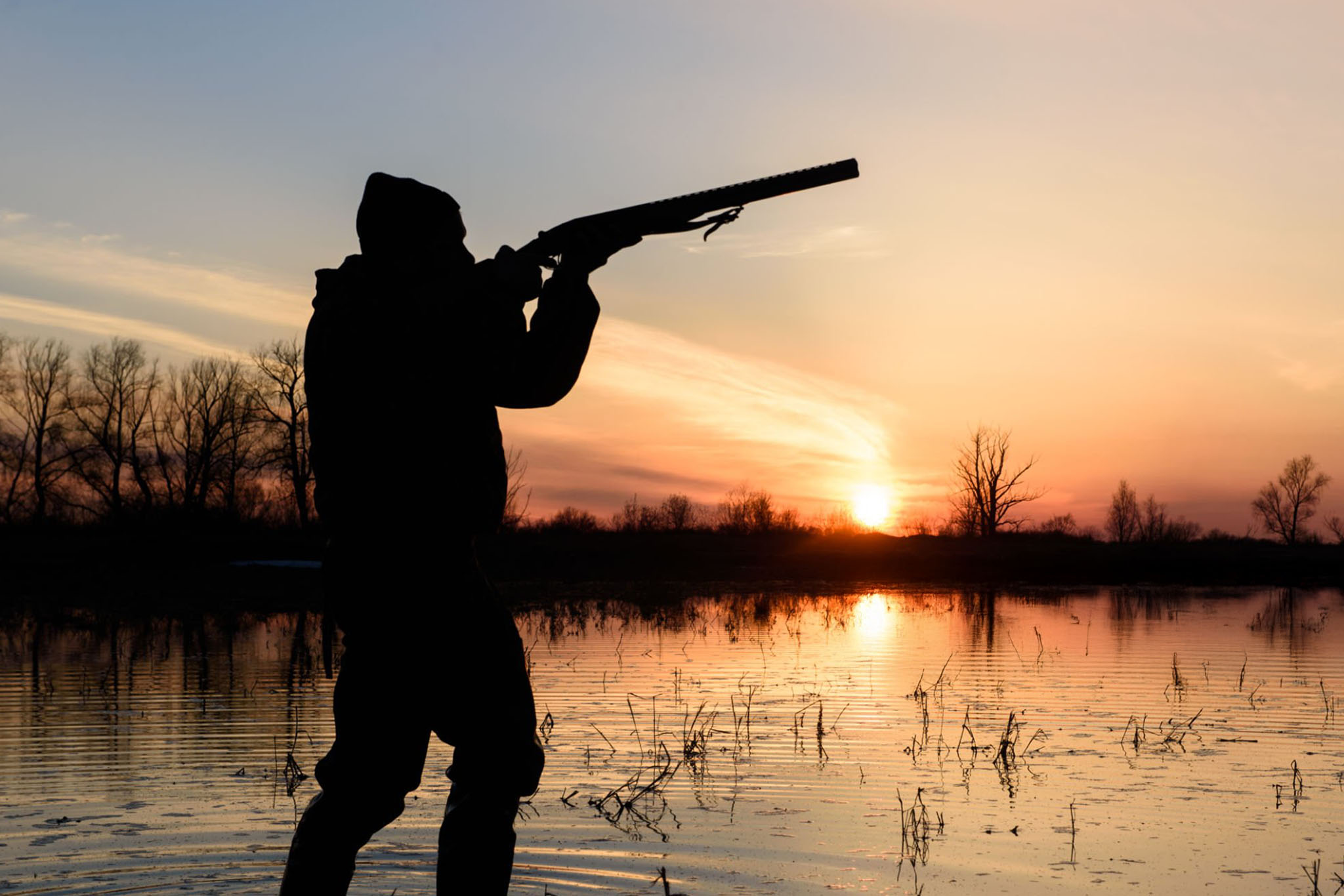
As the calendar shifts into early winter, hunters across the U.S. face a unique set of challenges. Shorter daylight hours, colder temperatures, and changing animal behavior all require a strategic approach. Knowing how to plan hunts around these shortening days can make the difference between a successful season and a missed opportunity.
Understanding the Impact of Shorter Days
One of the most significant changes in early winter is the reduction in daylight. By late November, sunrise is later and sunset comes earlier, compressing the prime hunting windows. Whitetails, ducks, and other game animals adjust their routines accordingly, often becoming more active during the limited daylight hours. For example:
- Whitetail Deer: Tend to feed heavily during dawn and dusk, making the first and last hour of light critical.
- Waterfowl: Often shift flight patterns based on early morning fog, wind direction, and available food sources.
By understanding these shifts, hunters can optimize their stand placement and timing.
Timing Your Hunt
Morning Strategies
Early winter mornings often bring calm winds, frost, and crisp air that heightens animal senses. These conditions can work to your advantage:
- Arrive before first light to settle into your stand quietly.
- Watch for frosted feeding areas, as deer may prefer these spots early before moving to thicker cover.
- For waterfowl, consider wind-protected marsh edges that allow birds to land safely.
Evening Strategies
Shortened afternoons demand precision:
- Use trail cameras or prior scouting to identify late-day feeding patterns.
- Position near transition zones where game moves from bedding areas to feeding zones.
- Pay attention to sun angle, as low light can both hide your silhouette and make animals more cautious.
Adapting Gear for the Season
Shorter days also mean colder conditions:
- Layered clothing is essential to maintain warmth without compromising mobility.
- High-visibility gear may be necessary if hunting with companions, especially during limited light periods.
- For waterfowl hunters, early-deploy decoys can attract birds as light fades, improving shot opportunities.
Observing Animal Behavior
Animals respond to early winter in predictable ways:
- Deer adjust bedding locations to sheltered areas that reduce wind exposure.
- Waterfowl flock tightly around open water and food sources, often reducing daylight activity.
- Predators like coyotes increase activity in late afternoons, potentially influencing the movement of prey species.
Keeping a log of sunrise and sunset patterns, as well as animal activity, helps plan hunts for maximum efficiency.
Safety Considerations
Shortened daylight can increase risk:
- Mark trails and tree stands with reflective tape.
- Always carry a headlamp or flashlight when entering or leaving hunting areas.
- Maintain communication devices to ensure safety in dense woods or frozen wetlands.
Conclusion
Early winter hunting demands adaptability. By understanding how shortening days influence wildlife, timing hunts effectively, and preparing with appropriate gear, hunters can make the most of the limited daylight hours. Observing animal behavior, leveraging natural cover, and scouting high-traffic areas ensure that your early winter shots count.
