
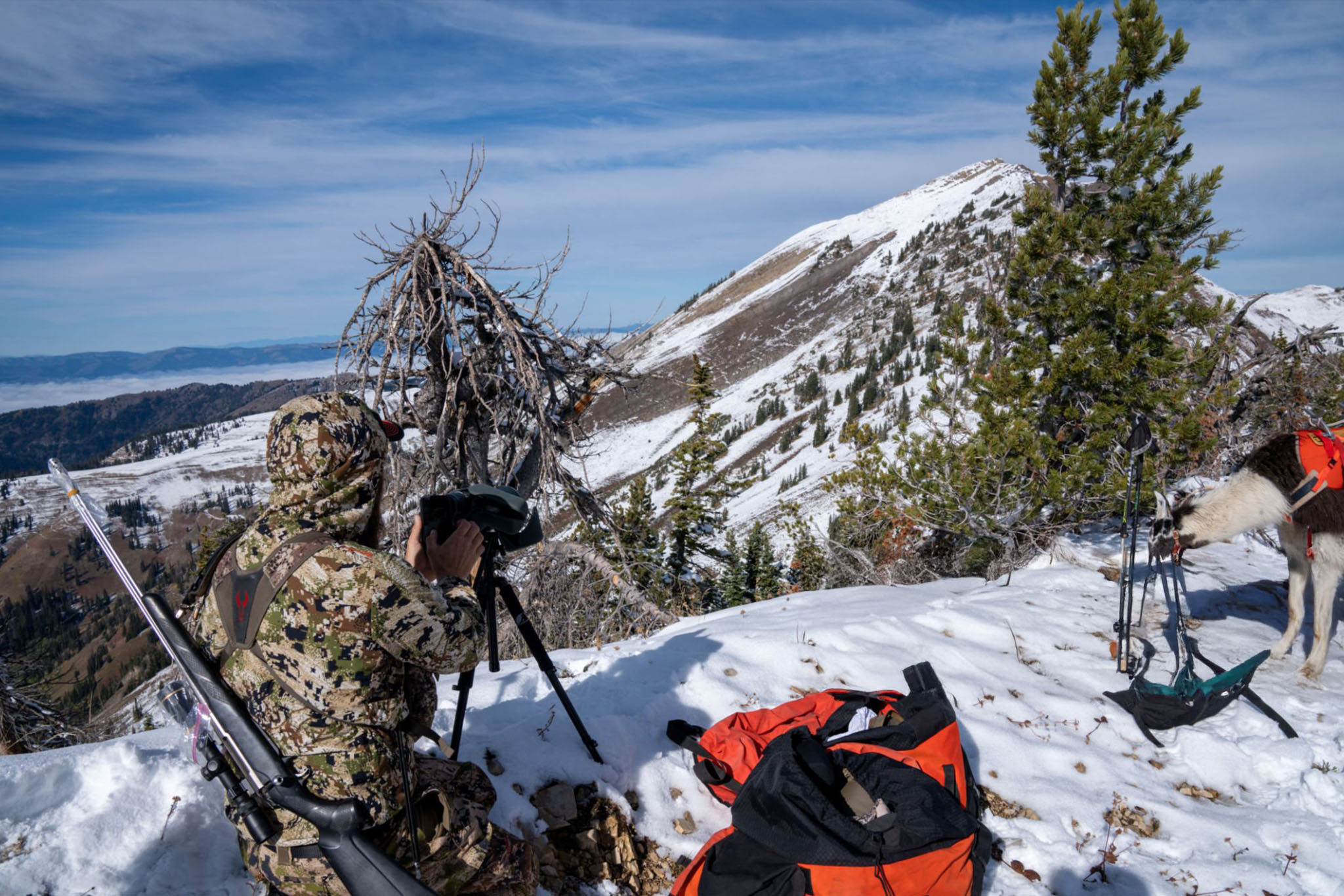
Winter hunting isn’t just about staying warm—it’s about moving through a frozen world that amplifies every mistake a hunter can make. When the woods are snow-covered, the timber becomes a soundboard. Footsteps crunch louder, breaths hang in the air, and even the faintest scrape of fabric can echo like a shout. Animals pick up these cues instantly.
That’s why silence becomes more than a tactic—it becomes your greatest weapon.
In this article, we’ll break down how to move, observe, and hunt in snow-draped timber without giving away your position. If you want to turn winter’s stillness into an advantage, this is where it begins.
Why Snow Changes Everything: Understanding Winter Acoustics
Snow doesn’t just cover the ground—it transforms the entire soundscape.
Fresh powder muffles noise, but crusted or refrozen layers amplify every step. Meanwhile, cold, dense winter air carries sound farther, meaning animals can hear you long before you see them.
Animals like whitetails, elk, and coyotes rely even more heavily on sound during winter because:
- Vegetation is thinner
- Winds are lighter
- Footsteps carry farther
- Predator pressure increases
In short: sound becomes their first defense.
So your silence must be intentional—not accidental.
Footwork First: Moving Like You Belong in the Timber
Silent walking on snow is a skill that separates successful hunters from frustrated ones. The trick isn’t just stepping lightly—it’s stepping smart.
1. Read the Snow Before You Move
Not all snow is equal:
- Fresh powder: quieter but deeper; good for still-hunting
- Wet snow: heavy and soft; moderate noise
- Crusted snow: loud; avoid unless absolutely necessary
- Frozen snowpack: the loudest; plan long waits instead of movement
Step where the snow is softest and most consistent.
2. Roll Your Feet, Don’t Jam Them
Push the heel in gently, roll forward slowly, and test sound before shifting full weight.
3. Use Natural Noise Cover
Move only when the woods naturally mask you:
- Gusts of wind
- Passing trucks on distant roads
- Squirrels breaking sticks
- Distant goose flocks
Silent hunters don’t rush—
they wait for sound windows.
Clothing That Won’t Betray You
Your gear can be your biggest enemy in winter if it swishes, scrapes, or squeaks.
Choose “Quiet” Fabrics
Skip stiff outer shells unless they’re fully brushed or fleece-backed.
Look for:
- High-pile fleece
- Brushed softshells
- Wool blends
- Sherpa-backed camo
Avoid:
- Cheap nylon
- Unlined waterproof fabric
- Frozen plastic buckles
Layer Smart
Quiet gear works best when it’s warm enough that you don’t shiver.
Shivering is noise.
Secure Everything That Dangles
- Binocular harness straps
- Backpack buckles
- Loose zipper pulls
- Slung gear tapping your torso
Tape it, tuck it, or secure it.
Breathing Like a Predator, Not a Human
In snow-covered timber, even your breathing can give you away.
Relaxed, slow breaths don’t fog as much, don’t hiss, and won’t spike your heart rate.
Three Rules for Silent Breathing:
- Breathe through the nose in slow draws.
- Exhale downward to avoid visible puffs in a deer’s line of sight.
- Don’t pant after a long hike—pause before the final approach.
The quieter your body, the quieter your presence.
Setting Up in Snow Without Making a Scene
When you choose a spot in winter timber, you only get one chance to settle in quietly.
Pick a Setup That Requires Minimal Adjustment
Avoid spots where you’ll need to:
- Clear snow
- Break branches
- Shift weight constantly
- Scrape bark with clothing
Choose natural cover like:
- Blowdowns
- Snow-laden spruce
- Soft hill contours
- Deadfalls with pre-existing hide spots
Sit Still, Sit Smart
Winter animals can pick up even small movements easily against a white landscape.
Try this:
- Lean your rifle or bow against a tree to avoid awkward repositioning
- Keep your hands under layers when possible
- Let your eyes move before your head
Stillness is the winter hunter’s camouflage.
Listening Skills Become a Superpower in Snow
The timber is never truly quiet.
But the sounds become more meaningful.
Learn to Interpret Winter Sounds
- A sharp stick break: likely a large animal
- Soft crunching: feeding deer
- Fast bounding: spooked game
- Hollow bark echoes: squirrels or birds
- Heavy, paced steps: possibly elk or coyotes
The more you listen, the less you move.
The less you move, the more you see.
Patience: The Hardest but Most Rewarding Winter Skill
Snow-covered timber rewards those who stay still long enough to blend into the landscape.
Winter Hunts Reward:
- Extended glassing
- Long, silent sits
- Minimal movement
- Slow, deliberate scanning
Your presence should melt into the environment—quiet, slow, and unremarkable.
Where other hunters rush, you wait.
Where they crunch snow, you glide.
Where they announce themselves, you disappear.
Final Thoughts: Silence Isn’t Just a Technique—It’s a Mindset
Winter hunting isn’t about overpowering nature.
It’s about syncing with it so thoroughly that you become part of it.
When the timber is wrapped in snow and the world feels frozen still, silence becomes your strongest ally. Animals rely on sound to survive, but when you master the art of moving quietly—of becoming a whisper in a white forest—you stop being the intruder.
