
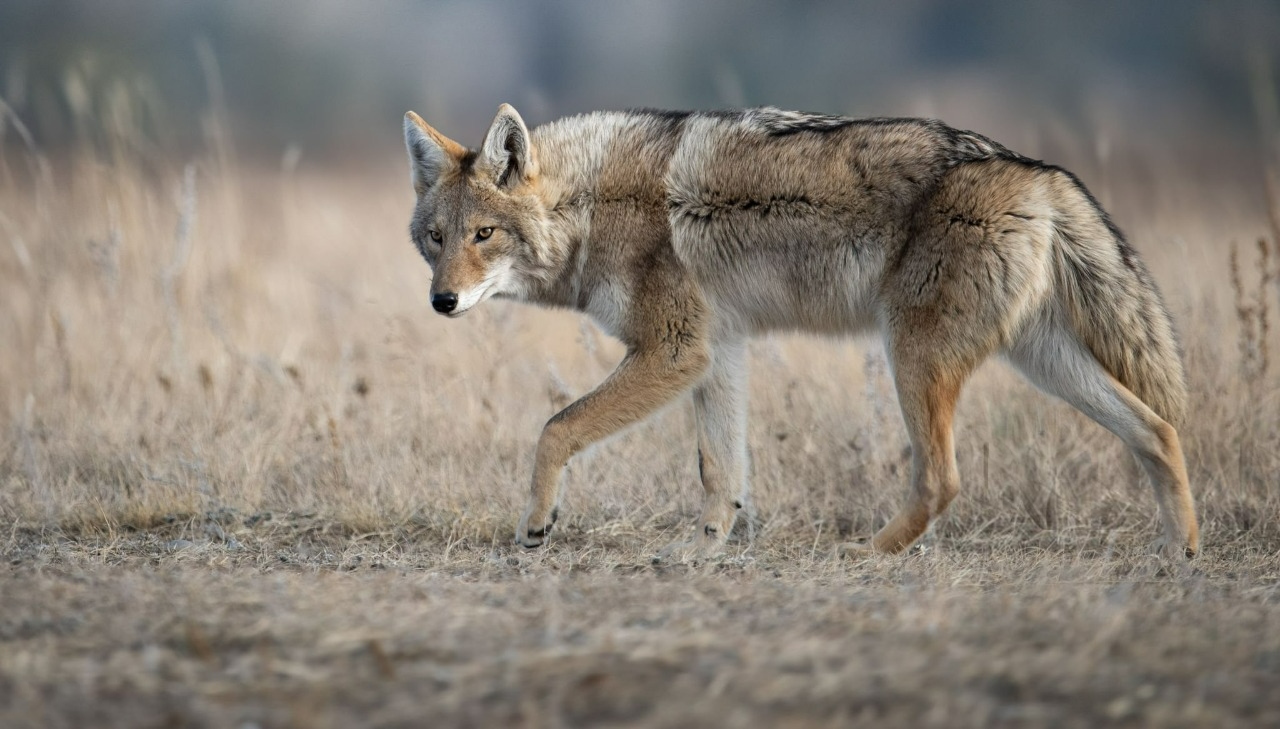
When the sun dips early and frost creeps over every fence post, the woods take on a different kind of quiet — the kind that echoes. To most, it’s the sound of winter settling in. But to a predator hunter, it’s the sound of opportunity. The cold months strip the forest bare, silence the insects, and make every movement count. This is prime time for calling coyotes.
Winter nights and early mornings offer some of the best predator hunting of the year, especially when the moon glows bright over frozen ground. Coyotes are hungry, active, and vocal this time of year. But success depends on knowing when to call, what to use, and how to play the wind when the woods go still.
Why Winter Brings Out the Coyotes
When temperatures plummet and food becomes scarce, coyotes become bolder and more responsive to calls. Rabbits, rodents, and other prey species are harder for them to find, pushing them to travel farther and take more risks.
Add to that the breeding season — typically late January through February — and you’ll find that coyotes are not only hunting for food but also defending territory and searching for mates. This mix of hunger and hormones makes winter a prime window for calling success.
The cold air also carries sound farther. A coyote that might not hear your call in summer can pick it up from hundreds of yards away on a still winter night.
Reading the Moon: Light and Movement
A full or nearly full moon is a predator hunter’s ally. Under that silver light, you can spot movement across open fields or frozen ridges without relying on artificial lights. Coyotes often hunt more actively during bright moon phases, especially when snow cover amplifies available light.
But remember: more light means more caution. Coyotes see exceptionally well in low light, and on bright nights they’ll hang back longer before committing. Use natural shadows, treelines, or rolling terrain to stay hidden.
On darker, cloudy nights, they rely more on sound than sight — that’s when your calling truly shines.
Setting the Scene: Location is Everything
Coyotes are creatures of edge habitat. The best calling setups mix open areas with thick cover nearby — think brushy field edges, pasture borders, or logging roads cutting through timber.
Choose a spot where your scent won’t betray you. Wind direction is crucial. Coyotes almost always circle downwind before committing to a call. Set up with open shooting lanes to your downwind side if possible, and use natural barriers like rivers, cliffs, or fences to discourage circling.
Winter mornings after a fresh snowfall are especially productive — not only can you spot tracks to confirm recent activity, but coyotes also travel more freely after a storm clears.
Cold-Season Calls That Work
When it comes to late-season calling, less can be more. Coyotes are sharp, and by midwinter, many have already been called to before. Over-calling can make them suspicious. The key is realism and restraint.
Top winter calls include:
- 🐇 Distress Calls: Cottontail and jackrabbit distress sounds are timeless choices. In areas with lots of small game pressure, try mixing it up with vole or rodent squeaks.
- 🐺 Howls: Soft lone howls or interrogation howls can draw territorial coyotes curious about intruders.
- 🐾 Pup Distress: Works wonders later in winter when coyotes become protective or territorial.
- ❄️ Combo Sequences: Start with light distress calls, pause for 5–10 minutes, then add a short series of howls. Finish with silence — sometimes, curiosity is your best lure.
Use electronic callers for volume control and realism, but keep a mouth call handy for subtle adjustments or close encounters.
Timing and Temperature: When to Call
Cold, clear mornings and calm, moonlit nights are the sweet spot. Coyotes often move just before sunrise or soon after sunset, when they’re most comfortable leaving cover to feed.
Avoid high-wind days — sound doesn’t carry well, and coyotes become less active. Likewise, extremely bitter cold (below zero) can reduce activity, but the first mild day after a deep freeze often triggers a burst of movement.
If you’re hunting at night, set up before full darkness. Let the woods settle, then begin your first call sequence once everything quiets down.
Gear and Stealth: Staying Silent and Still
Cold-weather predator hunting requires equal parts patience and preparation. Every sound carries farther in the cold — from your boots to your breath.
Essential winter gear for calling coyotes:
- Insulated waterproof boots: You’ll be sitting for long stretches on frozen ground — Trudave boots or similar outdoor models keep feet warm and dry.
- White or snow-pattern camo: Helps blend in with snowy fields or open terrain.
- Electronic caller & remote: Allows distance between you and the sound source, reducing detection risk.
- Shooting sticks or bipod: Stability is everything for precise, quick shots.
- Hand warmer or muff: Keeps fingers nimble for trigger control.
Even your approach matters — avoid crossing open ground in direct moonlight. Use the terrain, move slowly, and stop often to listen.
Reading the Response: Patience Pays
Coyotes don’t always come charging in. Sometimes they’ll circle silently for several minutes, watching and scent-checking before showing themselves. If you spot one hanging back, don’t rush the shot — wait until it commits or offers a clear angle.
If nothing shows after 20–25 minutes, move a half mile and try again. Winter coyotes cover large territories, and mobility often beats waiting in one place too long.
Respect the Predator
Coyotes are among the most adaptable animals in North America. Hunting them in winter isn’t about extermination — it’s about understanding their behavior and managing their populations ethically. Always check your local regulations for night hunting, electronic call usage, and weapon restrictions.
Taking a coyote under a winter moon is a reward that represents patience, skill, and deep respect for the natural order.
Final Thoughts: The Magic of a Silent Night
There’s something hauntingly beautiful about standing under a frozen sky, your breath hanging in the still air, waiting for a distant howl to answer your call. Winter coyote hunting isn’t just a pursuit — it’s an experience that connects you to the wild in its rawest form.
When the woods go silent, every sound matters. And under the glow of the winter moon, the smartest predator in the forest is listening.
So grab your call, play the wind, and step into the quiet — the night belongs to those who know how to speak its language.
