
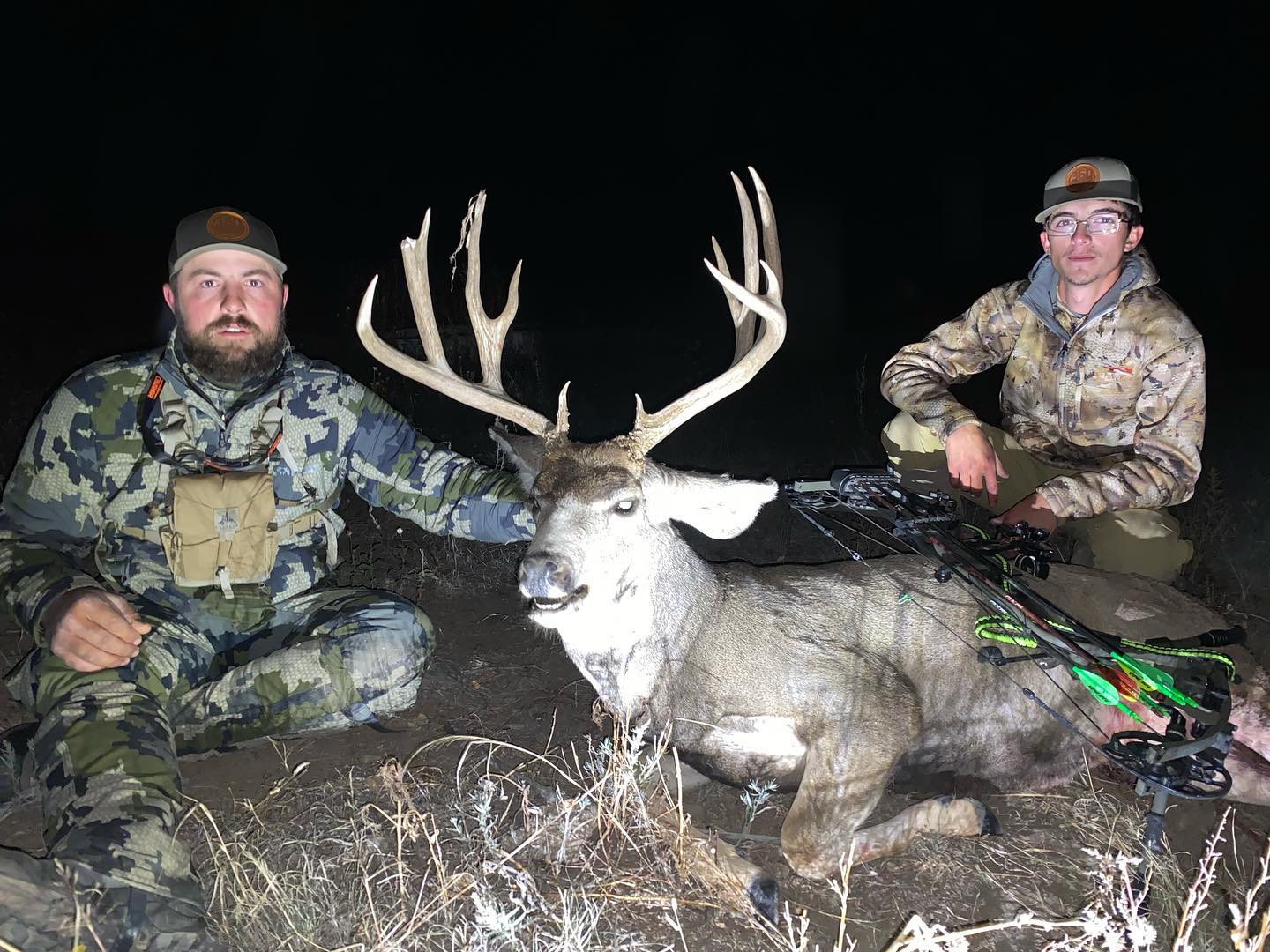
Introduction: When Frost Meets Firelight
There’s something timeless about December hunting—the quiet woods under a silver moon, the scent of gunpowder from a freshly fired muzzleloader, and the slow crunch of frost beneath your boots. As rifle seasons close across much of the country, the late muzzleloader season becomes a final—and often overlooked—chance to tag the buck of a lifetime.
For hunters who understand the rhythm of the late season, December nights can be pure magic. Bucks that have survived weeks of pressure begin to shift their patterns once again. With colder weather, brighter moon phases, and the solitude of winter woods, the stage is set for unforgettable hunts.
1. Why Moonlight Matters More Than You Think
Many hunters underestimate the impact of moon phases on late-season deer movement. By December, food sources are limited, energy is precious, and deer move with purpose. The moon becomes a natural trigger—especially when it aligns with cold fronts or calm nights.
- Full Moon Behavior: During bright, clear nights, deer often feed under the moonlight. That means less movement during early mornings, but increased midday and late-afternoon activity. Smart hunters adapt by sleeping in and hitting the woods between 10 a.m. and 3 p.m.—when deer get back on their feet.
- New Moon Advantage: On darker nights, deer stick to more traditional crepuscular (dawn and dusk) movement. That’s the perfect time to hunt near feeding fields or transition zones.
Tracking moon cycles and weather fronts together can tell you when the woods will come alive. Apps like DeerCast or HuntStand make it easier to sync these patterns, but old-school hunters still rely on observation—and a bit of instinct.
2. Late-Season Bucks: The Survivors’ Strategy
By December, only the smartest and most cautious bucks remain. They’ve seen it all—ATVs, tree stands, calls, and bait piles. These bucks are educated, but they’re also hungry. As acorns vanish and crops are harvested, they focus on the few high-calorie food sources left: standing corn, soybeans, brassica plots, and winter wheat fields.
They move less often but more predictably. Focus on:
- Thermal Bedding Areas: South-facing slopes or cedar thickets where deer soak up midday sun.
- Edge Habitat: Transition lines between cover and food are prime ambush zones.
- Wind-Protected Trails: Bucks travel routes that let them scent-check open areas from safety.
Understanding how late-season bucks conserve energy helps you time your sit and position yourself for those fleeting appearances.
3. The Muzzleloader Advantage: Power in Simplicity
While most hunters have packed away their rifles, those who embrace the muzzleloader season enjoy less competition and more opportunity. Modern muzzleloaders have come a long way—today’s inline designs deliver accuracy and power rivaling centerfire rifles, often within 150 to 200 yards.
But beyond performance, the muzzleloader brings something deeper—connection. The deliberate process of loading, the smoke that drifts across the cold air after the shot—it’s a slower, more intentional form of hunting that fits perfectly with the December woods.
Muzzleloader hunting tips for cold weather:
- Keep powder dry and sealed—condensation can kill ignition.
- Store pre-measured charges in weatherproof tubes.
- Use a reliable ignition system, and always check your primer before the hunt.
- Clean your barrel between hunts; moisture can build up quickly in freezing conditions.
4. Nighttime Patterns: Moonlit Movement and Observation
During the heart of winter, moonlight brings the woods to life. Deer that move cautiously during daylight will often step out to feed under bright, calm skies at night. While hunting at night is illegal in most states for deer, understanding these nocturnal movements is key to daytime success.
Here’s how to use nighttime activity to your advantage:
- Trail Cameras: Set them to capture movement on full-moon nights. You’ll quickly identify feeding routes and timing.
- Evening Scouting: Glass open fields or food plots from a distance under moonlight to spot feeding patterns.
- Next-Day Setups: Use the intel to position downwind of those feeding routes during late mornings or early afternoons.
The moon doesn’t just light up the woods—it tells you when and where your next opportunity might appear.
5. Weather and Moon Synergy: The Trophy Window
The most productive late-season hunts happen when moonlight aligns with a temperature drop. A full moon after a strong cold front creates high-pressure systems and clear skies—perfect for deer movement.
Pay attention to:
- Falling Temperatures: Deer feed aggressively before extended cold spells.
- Barometric Pressure: Rising pressure after a storm often triggers heavy activity.
- Wind Shifts: Calm or light winds during moonlit nights keep deer relaxed and active.
If the forecast calls for a full moon and a hard frost, clear your schedule—those are the nights when mature bucks are most vulnerable.
6. Stealth and Setup: Making Your Move Count
When the woods are bare and the air is still, stealth becomes your best weapon. Late-season deer are hyper-aware of noise and scent.
- Approach Quietly: Use terrain, creek beds, or fencerows to mask your movement.
- Dress Warm, Dress Silent: Soft-shell outerwear and insulated boots—like Hisea hunting boots—keep you quiet and comfortable through long sits.
- Scent Control: Cold air traps scent near the ground; use scent blockers and stay downwind.
- Entry Timing: On full-moon mornings, enter later than usual—deer often linger near fields at sunrise.
A single sloppy approach can end your hunt before it begins. Treat each stalk as if the buck is already watching you.
7. The Reward of Patience
December hunts are slower, quieter, and sometimes lonelier—but they’re also deeply rewarding. The woods take on a sacred stillness, every breath visible in the cold air, every sound amplified. You’re no longer chasing the chaos of the rut; you’re matching wits with survivors.
It’s not uncommon for the biggest bucks of the season to fall under the faint glow of the moon or during those short bursts of midday movement after a clear, frosty night. These are the moments that separate seasoned woodsmen from weekend hunters—the calm, deliberate pursuit that only late-season muzzleloader hunts can offer.
Conclusion: A Hunter’s December Dream
As the year fades, the moon grows brighter, and the deer woods enter their quietest phase. For those who remain—those willing to brave the cold and embrace the stillness—December offers one final act of wild beauty.
So load your muzzleloader, watch the moon rise, and move with intention. Somewhere out there, in the silver glow of a December night, a wise old buck is feeding—unaware that your patient eyes and steady aim have been waiting all season for this exact moment.
