
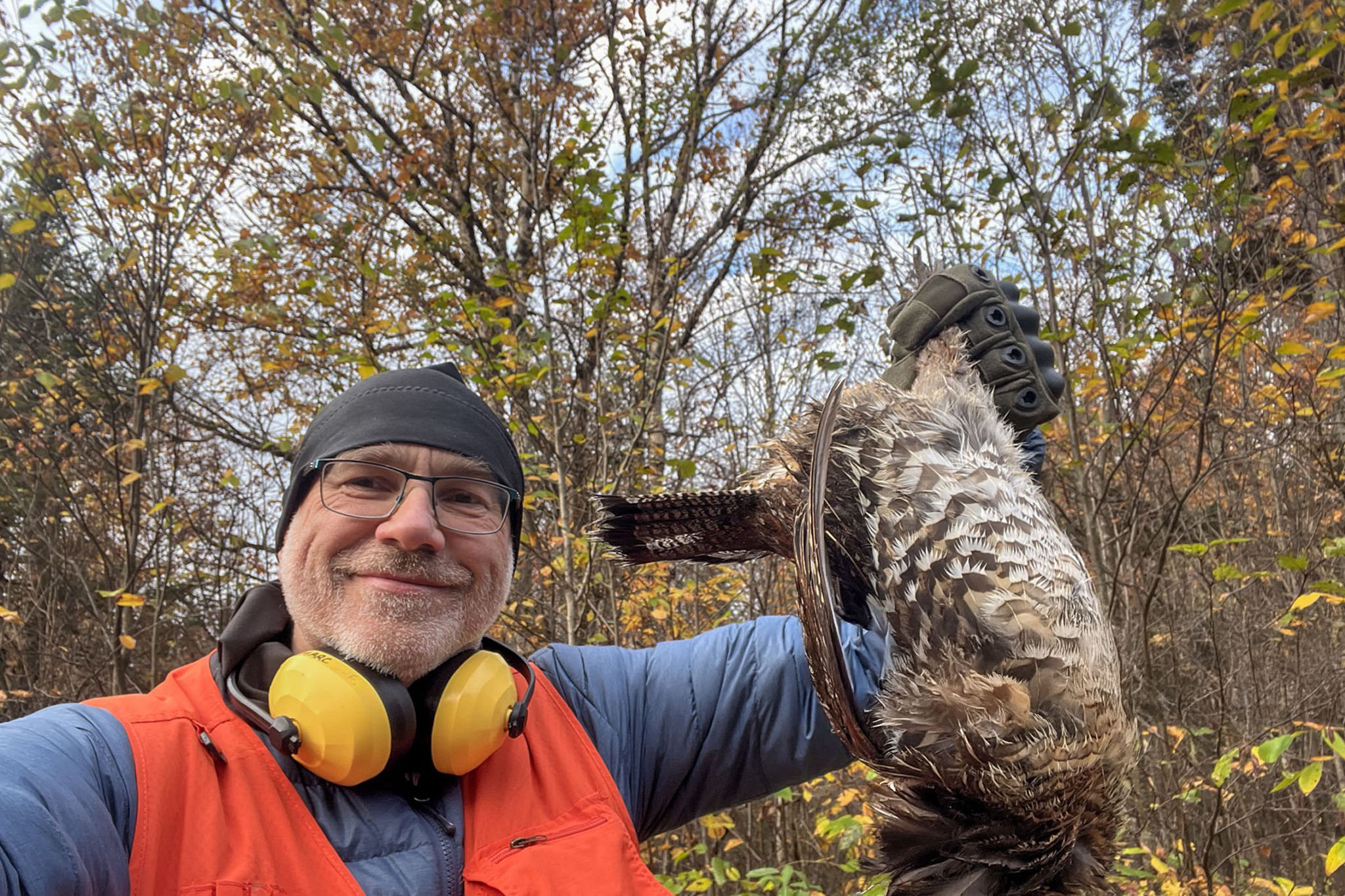
When the marshes start to freeze and the mornings sting your face with cold, most duck hunters hang up their waders for the year. But for the few who stay after it — the ones willing to break ice and brave the bitter winds — late-season hunts can produce some of the most memorable limits of the year. It’s not easy, but when flocks of greenheads drop through a pale winter sky and the sound of wings cuts through the frost, it’s pure waterfowling magic.
The Beauty of the Late Season
By December and early January, pressure, migration, and weather have all reshaped the landscape. Ducks are educated, wary, and in constant motion — but they’re also bunched up and driven by one thing: survival. They need open water, food, and shelter from the wind. If you can find where those three intersect, you’re already halfway to success.
The late season rewards grit. It’s a time when fewer hunters are out, meaning less competition and more room to move. While it might mean frozen decoys and numb fingers, it also means having an entire marsh — or river bend — to yourself.
Finding Open Water When Everything Freezes
When the mercury drops, water starts to lock up. That’s when scouting becomes everything. Ducks will abandon small, shallow ponds once they freeze, gravitating toward moving water — creeks, rivers, spring-fed marshes, or even drainage ditches that stay open longer.
If you can find a stretch of open water surrounded by ice, you’ve found a duck magnet. They’ll pile into these rare spots throughout the day to rest, feed, and drink.
Pro tip: If you have access to private land with a pond, use an ice eater or small aerator to keep a patch of water open. It doesn’t take much — even a hole 20 feet across can draw ducks like a beacon when everything else is locked up.
Scouting and Patterning Late Migrators
Late-season ducks are survivors. They’ve seen spinning wings, heard every call, and been shot at from Saskatchewan to Arkansas. That means your scouting has to be precise.
Focus on flight lines, not just resting spots. Watch where ducks go after first light, where they feed in the afternoon, and where they loaf midday. Often, late-season birds prefer sheltered backwaters and shallow edges with leftover vegetation.
Use optics wisely: A good pair of binoculars saves countless wasted miles. From a distance, look for subtle signs — frost-free banks, ripples in an otherwise frozen lake, or fresh droppings on ice. Those clues tell you birds are nearby.
Decoy Strategy: Less is More
Early in the season, big spreads can pull birds from across the sky. But by late season, less is usually better. Ducks have grown wary of large, artificial-looking flocks.
Try small, realistic spreads — a dozen decoys or even just a half-dozen set in pairs. Leave open landing zones and position them tight to shorelines or ice edges, mimicking real ducks clustered for warmth.
Motion still matters, but choose wisely. A single jerk rig or splash string works better than a loud spinning-wing decoy, which often spooks pressured birds.
Calling in the Cold
Late-season calling is all about restraint. Ducks this time of year have heard every over-enthusiastic hunter in the flyway. Instead of long, aggressive hail calls, use soft quacks, feed chuckles, and quiet murmurs.
Think conversational, not commanding. You’re trying to sound like content birds on the water, not a competition routine. When birds circle, stop calling and let their curiosity take over — especially when the wind is light and sound carries farther.
Dress for Endurance, Not Just Warmth
You can’t shoot what you can’t sit still for. Late-season hunts test your comfort and focus more than your shooting skills. Invest in high-quality insulated waders, windproof outerwear, and waterproof gloves.
Layer smart — moisture-wicking base layers, midweight insulation, and a shell that blocks wind and water. And don’t overlook your feet. Once they go numb, your hunt is over.
Pro tip: Keep a thermos of something hot and a dry pair of gloves in your blind bag. When the cold creeps in, small comforts can reset your focus for the next flight.
Timing the Hunt Around the Weather
Cold fronts are your best friend. When temperatures drop up north, new birds push into your area. The day before or immediately after a front can bring fresh flocks that aren’t yet educated by local pressure.
Pay attention to wind direction — ducks will always land into the wind, and you should set your decoys accordingly. A north wind after a front often means migrating birds moving south, so position yourself on sheltered southern shores or protected coves.
Hunting Smart and Staying Safe
Breaking ice, handling dogs, and navigating frozen terrain can be dangerous. Always test ice thickness before walking, and avoid standing on frozen edges near moving water.
If you’re in a boat, wear a life jacket — even in shallow water. Late-season conditions don’t forgive mistakes. Keep dry clothes in your vehicle and always let someone know where you’re hunting.
When It All Comes Together
There’s something unforgettable about those late-season mornings. The world feels still. The marsh glows in silver light. And when that first pair of mallards cups into the decoys, their green heads glowing against the snow, it’s the kind of moment that makes the frozen fingers and early alarms worthwhile.
Those who brave the cold don’t just hunt ducks — they chase the essence of waterfowling itself: grit, patience, and the thrill of earning every bird.
So when winter tightens its grip and the ice thickens on your favorite marsh, don’t call it quits. Break the ice — literally — and hunt on. The best flights often belong to those who refuse to stay home.
