
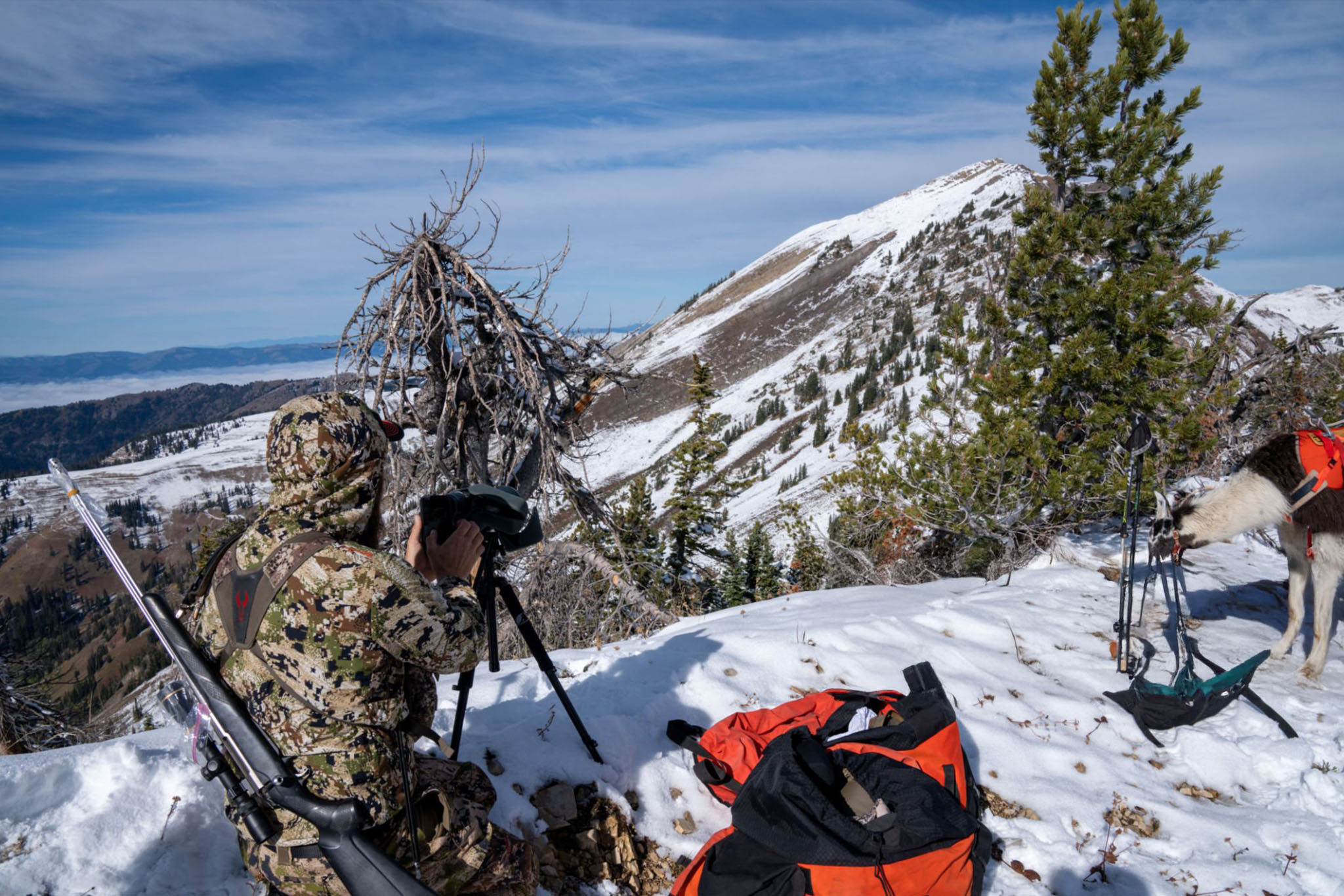
There’s something magical — and brutally honest — about the first real snowfall of hunting season. The world goes quiet, the woods turn ghostly pale, and every sound seems to echo farther than it should. But for the hunter who knows how to read the land when it’s covered in white, snow can be the best teacher and the best ally.
When the woods turn white, everything changes — animal movement, scent patterns, visibility, and even your mindset. Hunting in snow isn’t just colder; it’s sharper, slower, and more revealing. Here’s how to use that to your advantage.
1. The Whiteboard Effect: Reading Tracks Like a Storybook
Snow turns the forest floor into a living notebook — and the animals are the ones writing.
Fresh tracks in snow reveal far more than prints in mud ever could. You can tell when a deer passed through by the sharpness of its edges, how fast it was moving by stride length, and even its weight or sex by print depth and spacing.
Look for:
- Sharp, crisp tracks: fresh, likely within an hour.
- Soft, melting edges: older, likely before sunrise.
- Single-line prints: often bucks or coyotes, which walk directly to conserve heat.
- Zig-zagging or looping paths: feeding or exploring behavior.
If you find a fresh trail, follow it slowly and pay attention to wind direction. Don’t rush. Snow amplifies every step you take, and an animal’s ears are tuned sharper than ever in the still air.
Pro tip: lightly dust your gloves with snow before touching anything — it masks scent and prevents melted finger marks from giving you away.
2. Know the Timing: Movement Peaks in the Cold
Cold fronts and snowstorms push deer, elk, and predators into predictable patterns.
Just before and just after a storm, animals move more actively to feed before the next round of weather hits.
Your best hunting windows:
- 4–6 hours before a heavy snow: Deer and turkey feed aggressively.
- 12–24 hours after the storm breaks: They emerge again, hungry and cautious.
This window is short, but it’s golden. Set up near sheltered food sources like oak flats, standing corn, or field edges where snow drifts thin out. The animals will come, driven by instinct and energy demand.
3. Visibility and Contrast: Blending in the Right Way
In snowy woods, your standard camo may work against you. Deep greens and browns that blend perfectly in fall now stand out like shadows.
Switch to snow camo patterns with light gray or off-white tones. Avoid bright whites — they reflect sunlight unnaturally.
If you’re stationary, a simple white poncho or snow cover over your regular camo can be just as effective.
For movement hunts, focus on slow transitions — every flicker or sudden contrast catches attention against the blank background. Move when the wind gusts, or when snow falls off branches naturally, masking your sound and motion.
4. Scent in the Cold: How Temperature Plays Tricks
Cold air doesn’t just bite — it carries scent differently.
In mild weather, scent rises and disperses unpredictably. But in cold, dense air, scent settles low and travels along the ground.
That means animals downwind can smell you far earlier than you think.
When hunting in snow:
- Always stay above the animals — higher ridges or uphill wind positions help.
- Avoid valleys and hollows where cold air pools; your scent will collect there.
- Use snow itself to your advantage — rubbing your hands and gear with it can help minimize human odor.
Remember: in still, cold air, even the faintest scent lingers. Don’t underestimate a whitetail’s nose or a coyote’s precision.
5. Movement and Energy: Animals Change Their Routines
In deep snow, wildlife behavior becomes highly energy-efficient. Deer shorten their travel routes, use cover more strategically, and prefer trails that cut through thinned snow or wind-blown ridges.
Look for travel corridors:
- South-facing slopes where sun exposure reduces snow depth.
- Pine thickets, which offer both thermal cover and less snow accumulation.
- Creek bottoms where food and shelter meet.
Bucks and does alike conserve energy in snow, meaning they’re more predictable — but also more sensitive. Every step they take costs calories, so they’ll only move for food, safety, or breeding.
6. Sound Discipline: The Forest Hears Everything
Hunting in snow feels peaceful — until you step on the wrong patch.
A frozen crust or icy drift can betray your presence from 200 yards away. But you can work with it:
- Time your steps with natural sounds — cracking branches, gusts of wind, or bird calls.
- Break your rhythm. Wild animals don’t move with consistency; neither should you.
- Slide your feet rather than lift them. This keeps noise down and weight distributed evenly.
If you’re stalking, stop often and scan slowly. The snow’s brightness can trick your eyes — what you think is a stump might just be a bedded deer watching you first.
7. Using Snowfall for Cover
A falling snow can be your best friend.
It softens sound, masks movement, and hides your scent in the moisture-rich air. Many hunters overlook storm days, but some of the best shots happen mid-snowfall when animals feel secure under the muffled silence.
When snow is actively falling:
- Set up early — before accumulation builds.
- Keep optics covered with lens caps or cloth to prevent moisture fogging.
- Be ready for quick opportunities — visibility can change minute by minute.
You’ll be cold, sure. But your patience will be rewarded when the storm breaks and animals start moving again.
8. Gear That Wins in the White
Late-season gear can make or break a snowy hunt. Here’s what experienced snow hunters swear by:
- Insulated waterproof boots: Nothing ends a hunt faster than wet feet.
- Merino base layers: Keeps warmth without bulk or odor buildup.
- Hand muff or chemical warmers: Essential for maintaining dexterity.
- Optics cloth and lens cover: Snow will find its way into every crevice.
- White tarp or poncho: Inexpensive and invaluable for concealment.
And don’t forget hydration — cold air dehydrates faster than you think. Drink regularly, even if you don’t feel thirsty.
9. Mental Game: The Patience of Snow
Snow hunting isn’t fast-paced. It’s patient, deliberate, and deeply mental.
You’ll spend long hours in silence, watching nothing move — and then suddenly, everything happens at once.
The hunters who thrive in the snow are the ones who slow down, breathe evenly, and appreciate the quiet. Because in that stillness, you’ll see things others miss — the flicker of an ear, the steam of breath, the faint twitch of movement in a white landscape.
Conclusion: Embrace the Silence
Snow doesn’t just change the woods — it transforms the hunt itself. It strips away the noise, the color, and the comfort, leaving only what’s essential: patience, awareness, and instinct.
If you can learn to read the land when it’s silent and white, you’ll unlock a deeper understanding of your quarry — and of yourself. Because hunting in snow isn’t about endurance; it’s about presence.
When the flakes fall and the forest quiets, that’s your cue — to slow down, look closer, and hunt smarter.
