
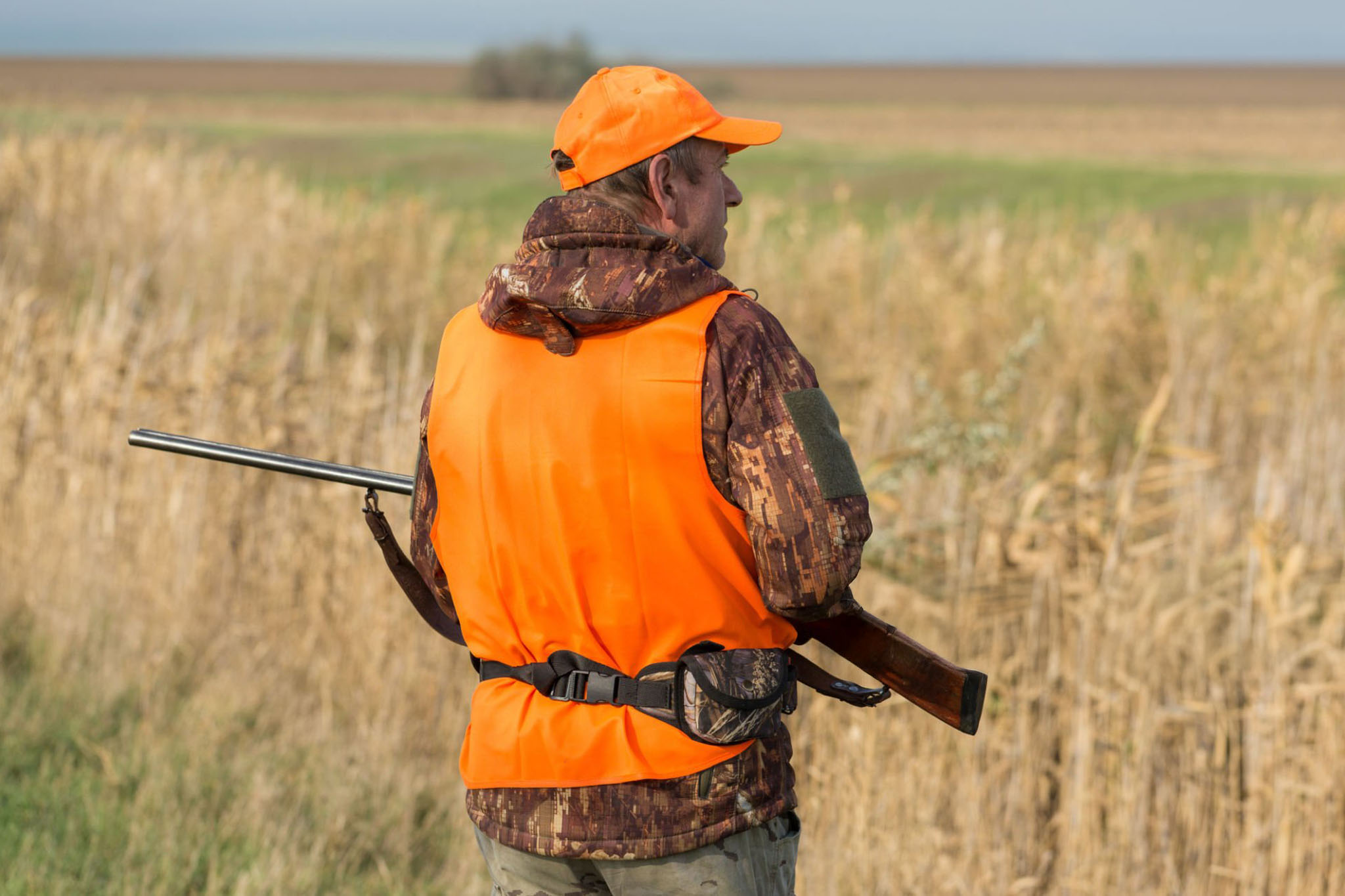
By the time frost coats the cattails and the last leaves cling to the branches, most duck hunters have hung up their waders for the season. The skies have thinned, the easy days of early migration are long gone, and the birds that remain are the toughest, smartest, and most call-shy of the year. But late-season hunting isn’t about giving up—it’s about adapting. When the water grows quiet and the birds grow wise, success belongs to those who know how to break the silence with purpose.
This is the season when subtle details make or break the hunt—decoy placement, calling tone, concealment, and patience. Here’s how the pros stay successful when the marsh goes still.
Understanding Late-Season Duck Behavior
By late November and December, waterfowl have seen every spread, heard every call, and dodged more hunters than they can count. Their instincts are sharper now. They feed less frequently, fly shorter distances, and spend much of the day loafing on small, quiet water.
Your first job as a late-season hunter is to think like a duck.
- Pressure: Birds avoid heavily hunted areas. The same ponds and sloughs that were full in October are now empty.
- Weather: Cold fronts push ducks south, but lingering mild days keep pockets of birds local. Watch wind shifts and temperature drops—those are your best hunting windows.
- Energy: Ducks conserve energy in cold conditions, meaning shorter flights and fewer feedings. If you can locate their mid-day loafing water, you’ve struck gold.
Late-season ducks aren’t just cautious—they’re strategic. To fool them, you have to match that same level of precision.
Quiet Water, Big Opportunity
Still water is often overlooked, but it’s where the survivors hide. Shallow backwaters, secluded creeks, and thawed edges of frozen ponds can hold the biggest surprises in December.
The key is stealth and timing:
- Scout quietly—late-season ducks spook easily, and one mistake can empty a pond for days.
- Slip in early or late—enter well before daylight or just before sunset when birds are returning.
- Keep movement minimal—too much splashing or boat noise ruins your setup.
In quiet water, even a small disturbance carries far. Every sound—your wader steps, your decoy ripples, your calling—needs to be deliberate and believable.
Loud Calls, Smart Timing
Contrary to popular belief, calling still works in late season—but not the way it does in October. The key isn’t volume, it’s rhythm and realism. Experienced ducks have heard every overconfident hail call in the book. What breaks through their hesitation now is emotion and timing.
Here’s how to fine-tune your calling game:
- Start soft: A few content quacks or a light feed chuckle sets a calm tone.
- Use aggressive sequences sparingly: When you see birds circling out of range or ignoring your spread, a sharp series of comeback calls can turn them.
- Match their mood: If ducks are talking among themselves, talk back naturally. If they’re quiet, tone it down—sometimes less is more.
- Echo location: On still mornings, sound carries farther than you think. Adjust your volume to match the environment, not your enthusiasm.
Remember, “loud calls” in the late season doesn’t mean shouting—it means calling smart and clear when silence needs to be broken.
Decoy Adjustments That Make the Difference
Your decoy spread should evolve as the season progresses. Early-season setups full of motion and noise can spook late-season ducks that have seen it all. The goal now is realism and restraint.
Try these late-season adjustments:
- Fewer decoys: A small group looks more natural than a big raft in freezing weather. Ducks know most of their flock has already migrated.
- Spacing: Spread them wider apart to mimic relaxed birds in open water.
- Motion control: On calm days, one jerk rig or a single spinner used sparingly adds believable movement. Too much splash looks unnatural in cold, still water.
- Species accuracy: Match local species—mallards, gadwalls, and black ducks dominate the late season. Mixing species haphazardly looks fake.
A quiet pond with a modest, realistic spread can out-hunt a loud, busy setup every time in late December.
Concealment and Setup: The Ultimate Test
When the birds are wary, concealment becomes non-negotiable. Brown reeds, frosted cattails, and open banks offer little forgiveness. Ducks will flare at the smallest shadow or glare.
Here’s how to stay invisible:
- Blend perfectly with your surroundings—use natural vegetation from the area, not bright, fresh grass.
- Break up outlines—cover hats, gun barrels, and boat edges.
- Stay still—in late-season silence, movement is more noticeable than sound.
- Use the wind wisely—ducks almost always land into it, so position your blind accordingly.
If you’re hunting in flooded timber, brush blinds low and stay in the shadows. In open fields or frozen edges, dig in deep—frosted camouflage and face masks make a difference.
Late-Season Gear for the Grind
Cold, wet conditions demand the right gear to keep you sharp and steady. The hunters who last longest usually last best.
- Insulated waterproof waders: A must-have for sitting in icy water. HISEA or Trudave neoprene waders are great options for warmth and mobility.
- Hand warmers and waterproof gloves: Comfort is endurance. When your hands go numb, your calls go bad.
- Thermal layering: Moisture-wicking base, fleece mid-layer, and windproof shell keep your body regulated.
- Headlamp and dry bags: Early mornings and wet gear are part of the game—staying organized matters.
The right equipment doesn’t just keep you warm; it keeps you focused on the hunt.
Patience, Persistence, and the Late-Season Payoff
Late-season duck hunting is as much mental as physical. The birds are smart, the weather is brutal, and the action is slower. But that’s what makes it worthwhile. Every successful shot feels earned. Every bird that locks wings and commits through the frost feels like a victory against the odds.
This is the season of refinement, not repetition. It’s when calling, concealment, and confidence matter most. Quiet water teaches you patience. Loud calls remind you that boldness still has its place. And together, they make for some of the most rewarding hunts of the year.
Final Thoughts
When the marsh turns silent and the air bites hard, late-season duck hunting becomes a test of skill and willpower. It’s not about filling the strap—it’s about outsmarting birds that have seen every trick.
Quiet water, loud calls—it’s a balance between restraint and courage. Between stillness and sound. Between knowing when to blend in and when to speak up. Master that, and you’ll discover that the late season isn’t the end of duck hunting—it’s where the real art begins.
