
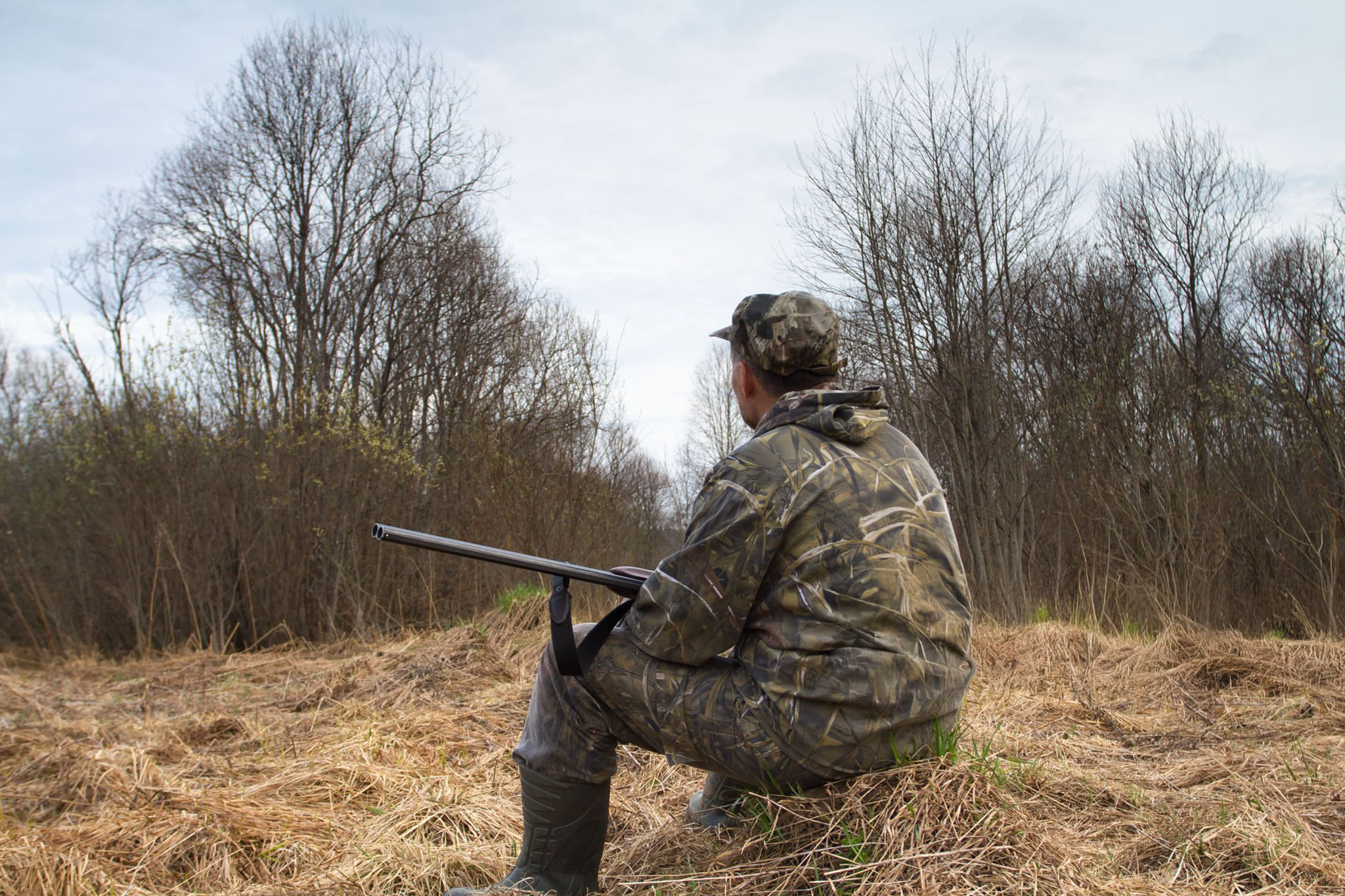
When the mornings bite and frost coats every blade of grass, most hunters pack it in for the year. The woods have gone silent, the rut has wound down, and daylight feels scarce. But for those who know how to read the cold, late-season hunting isn’t a struggle—it’s a science. Frost on the compass doesn’t mean the season is over; it means it’s time to adapt, plan with precision, and hunt like a pro.
Reading the Frost: What Late Season Really Means
By December, the woods tell a different story. Trails are faint, food sources are limited, and animal movement becomes highly predictable—but only if you’re paying attention. Frost serves as nature’s reminder that every step, sound, and scent matters more than ever.
In early fall, the woods are generous—bucks chase, birds fly freely, and fish bite with reckless energy. Late season? It’s earned. Game animals conserve energy and move only when they must. Understanding these subtle patterns is the key to late-season success.
Look for frosty mornings after a temperature drop—they often spark mid-morning deer movement as animals rise to feed and warm up. Ducks respond to cold snaps too, shifting to southern waters with open edges and grain access. The frost doesn’t just signal winter—it tells you where to look next.
Navigation in a Frozen World: Knowing Your Terrain
Late-season hunting requires reading the land like a map that changes every day. Snow, frost, and wind all reshape trails and cover. Hunters who thrive now are those who adjust their compass—literally and mentally.
- South-facing slopes: Deer love them because they get the earliest sunlight. They warm up faster, making them perfect bedding and travel zones.
- Thermal cover: Conifers, cedars, and pines trap heat and provide shelter. Animals naturally gravitate here as temperatures plummet.
- Food edge focus: After acorns and beans are gone, leftover cornfields, brassicas, and winter wheat become prime feeding hubs.
Duck hunters should pay equal attention to wind direction and pressure systems. Birds ride cold fronts south, often following consistent compass lines dictated by wind flow and barometric pressure. A shift of just ten degrees in wind direction can change which marsh or flooded field will see birds that day.
Timing Is Everything: The Late-Season Clock
If early season is about dawn and dusk, late season rewards the midday grinder. Sub-freezing mornings push deer and ducks into cover early, but by late morning or early afternoon, the sun softens the air just enough to get them moving again.
Hunters who stay out through lunch—the ones sipping coffee at 11 a.m. while everyone else is home—are often the ones who tag the late-season trophy.
For waterfowlers, pay attention to weather rhythms:
- Rising temperatures after a cold front create short windows when ice melts and birds hit feeding grounds.
- High-pressure bluebird days might feel calm but often push ducks to smaller water bodies with sunlight exposure.
Learn the patterns, not just the clock.
Gear That Guides You Through the Cold
The frost-covered compass isn’t just metaphorical—it’s also about staying equipped to handle bitter, wet conditions without losing focus.
- Insulated, waterproof boots: Your hunt is only as good as your footing. Boots like HISEA or Trudave insulated hunting boots keep warmth locked in while wicking away moisture from the inside.
- Layer like a system: A base layer that wicks, a mid-layer that insulates, and an outer shell that blocks wind and moisture. Avoid cotton—it traps dampness and chills fast.
- Optics and navigation tools: Fog-proof binoculars, rangefinders, and a GPS-enabled compass help you navigate unfamiliar, frozen terrain when landmarks are covered in frost.
Comfort equals endurance. The longer you can sit still and stay sharp, the better your odds.
Strategy Over Strength: Thinking Like Late-Season Game
Late-season success isn’t about chasing—it’s about anticipating. You’re not just hunting; you’re studying survival patterns.
Deer move less to conserve calories, sticking close to thermal cover and energy-rich foods. Ducks find open water and feed efficiently, avoiding unnecessary flight. To hunt them effectively, you have to match that mindset.
- Hunt smart, not wide: Focus on one or two high-value travel corridors instead of spreading yourself too thin.
- Use minimal intrusion: Late-season animals are alert to human scent and sound. One bad entry can ruin a spot for a week.
- Take advantage of weather breaks: Sudden warm-ups or calm evenings after a storm often trigger surprise movement.
The frost doesn’t stop the hunt—it just demands you think two steps ahead.
Mental Fortitude: The Hunter’s Real Compass
By this time of year, hunting becomes less about endurance and more about mindset. It’s quiet, cold, and often discouraging. But the frost-covered mornings and biting winds forge patience like nothing else.
True late-season hunters know that success now is rarely about numbers—it’s about discipline. It’s staying in the stand when your fingers go numb, watching the horizon when visibility drops, and trusting that the stillness will eventually break.
The pros don’t chase adrenaline—they chase precision. And that’s what separates a good season from a great one.
Final Thoughts: The Frost Teaches the Hunter
When the frost settles on your compass and breath fogs the air, it’s easy to think the season is closing. But for those who stay, adjust, and read the frozen land, this is when the most rewarding hunts happen.
Late-season hunting is about clarity—about slowing down enough to see what others overlook. Frost doesn’t just chill the ground—it sharpens the senses. If you can navigate through that, you’re not just surviving winter; you’re mastering it.
Because when frost hits the compass, real hunters don’t lose their direction—they find it.
