
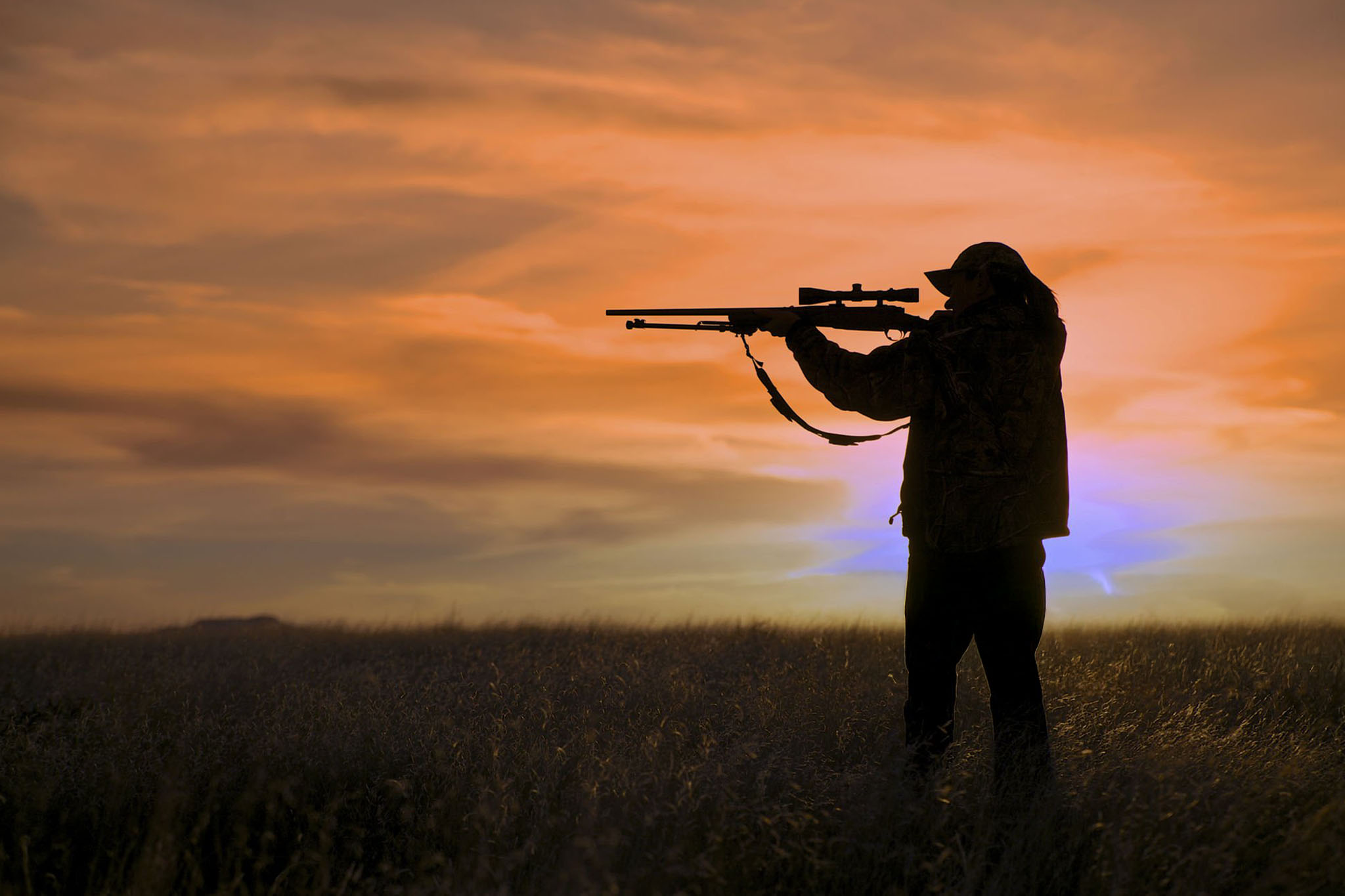
When the calendar creeps into late November, most hunters have already logged more hours in the woods than they can count. The rut has slowed, the leaves have fallen, and the easy patterns of early season have long vanished. Yet for the dedicated few who stay in the stand from dawn drizzle to dusk shot, this is when opportunity quietly reappears. Late-season hunting demands grit, patience, and a sharp understanding of how deer, ducks, and other game move under colder skies. It’s not about waiting for luck—it’s about making every hour of the day count.
Early Morning Drizzle: The Magic of Low Light
The first few hours after sunrise in late season often feel quiet—almost too quiet. Cold drizzle dampens leaves and mutes the forest floor, allowing you to move with stealth that’s impossible on dry days. Deer often use this window to feed or transition from open fields to thick cover after sunrise, especially when temperatures hover just above freezing.
To take advantage:
- Set up near bedding transitions — edges of timber, creek bottoms, or brushy draws.
- Use the wind to mask your approach; light drizzle often means shifting thermals, so play the wind carefully.
- Stay flexible — don’t be afraid to still-hunt slowly when movement is low; late-season deer aren’t used to seeing quiet movement in the rain.
If you’re duck hunting, drizzle mornings can be even more productive. Cloudy skies and steady mist keep birds flying low, offering ideal conditions for calling and visibility. Use darker decoys or motion spreads to break up reflections on gray water.
Midday Lull: The Hidden Window of Movement
It’s easy to pack up at 10 a.m. when the woods fall silent, but in late season, the midday lull isn’t always dead time. As temperatures rise slightly, deer may stand up to feed in the sun, especially after frosty mornings. Hunters who stay through midday often catch those “off-hour” bucks that move just once between bedding and feed.
Here’s how to make it count:
- Shift to solar bedding areas, such as south-facing slopes or open timber edges that catch warmth.
- Pack a quiet lunch and stay put. The hunter who’s in position at noon when others are driving home often wins.
- Watch the weather — rising barometers and light winds often trigger short bursts of movement between 11 a.m. and 2 p.m.
Duck hunters should also watch midday fronts. Warm pockets of air can shift migration paths subtly, pushing small groups of birds into overlooked ponds and flooded timber.
Afternoon Grind: Reading the Evening Transition
As light fades, late-season hunts become a mental battle. The cold sets in, and patience wears thin. But this is when the woods begin to stir again. Deer that stayed bedded through daylight start moving toward food sources—cut cornfields, standing soybeans, or green winter wheat plots.
Make your evening hunt count by:
- Setting up downwind of food sources with just enough cover to remain hidden.
- Avoiding overhunting your best stands. Pressure ruins late-season success faster than cold temperatures. Rotate setups and approach carefully.
- Timing your draw or shot around the fading light—deer often move just before legal shooting ends.
If you’re chasing ducks, focus on evening feeding flights. Cold air often triggers a short, intense window before sunset. Position yourself along travel routes rather than roosts, and let your decoys and soft calling do the work.
Gear That Keeps You in the Game
Late-season success often comes down to comfort and endurance. Hunters who stay longer see more, and staying longer means managing cold, wet conditions.
- Layer smartly. Use a moisture-wicking base, an insulating mid-layer, and a windproof outer shell.
- Waterproof boots like Trudave or HISEA insulated models are worth every penny when the ground is frozen and wet.
- Hand warmers, thermoses, and seat cushions are small comforts that make long sits bearable.
The key isn’t just being out there—it’s being able to stay alert and still when others can’t.
Mental Game: Patience Is the True Late-Season Weapon
By late fall, deer and ducks have seen it all—calls, decoys, scents, blinds, and hunters who lose patience. The advantage now belongs to the one who can outlast the cold and outthink wary game. Every drizzle-soaked morning and frozen evening teaches you something about endurance and timing.
Late-season hunting rewards persistence. It’s not about covering more ground—it’s about using every hour wisely. From the first gray light breaking through the mist to that final, heart-pounding moment before dusk, success belongs to those who stay.
Final Thoughts
“From dawn drizzle to dusk shot” isn’t just a phrase—it’s a mindset. The late season doesn’t favor the casual hunter; it rewards the disciplined one who reads the land, respects the weather, and stays when others leave. Every hour holds a chance, every change in light a new pattern. In the silence of late-season woods or the chill of a frozen marsh, those who make every moment count will write their own ending to the hunting year.
