
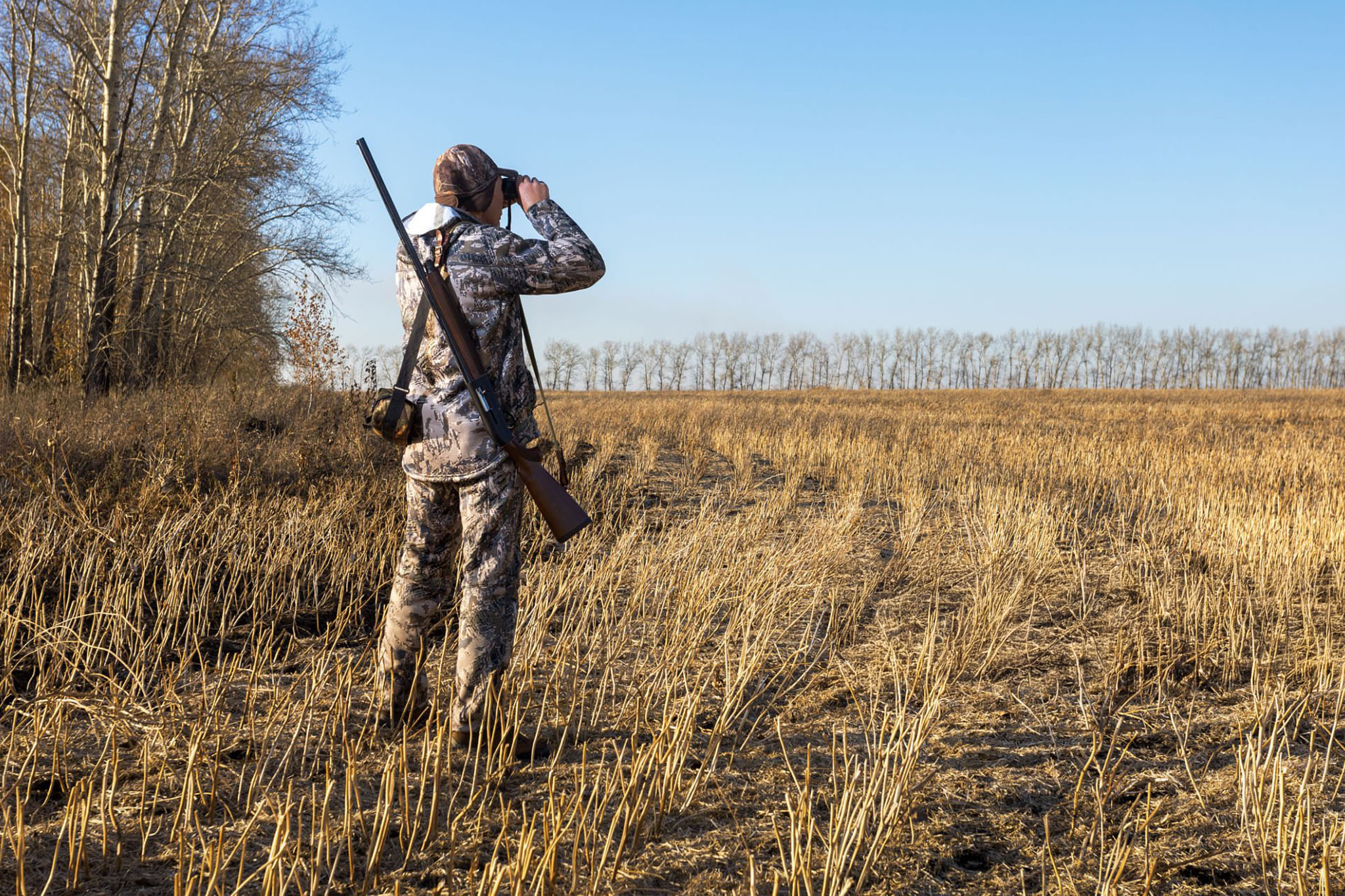
As the season winds toward its frosty finish, the skies that once roared with the sound of wings grow quieter. The big flights are gone — the easy mornings when ducks and geese poured in with every cold front have faded. What’s left are scattered flocks, educated birds, and the kind of hunting that tests a hunter’s grit, patience, and understanding of late-season behavior.
But for those who stay in the game, the migration slowdown isn’t a dead end. It’s a new challenge — a chance to hunt smarter, not harder, and to find the birds that everyone else overlooks.
Understanding the Slowdown
By late December and into January, waterfowl behavior changes dramatically. The birds that remain have already made the long trip south and have seen every decoy spread, heard every call, and learned every mistake hunters make. They’ve adapted.
Migration slows not because the birds disappear, but because they’ve settled into their wintering patterns. The key to success at this stage is recognizing that movement becomes localized — ducks and geese aren’t migrating across states; they’re shifting across counties, following open water and reliable food.
When the major fronts stop pushing new birds in, your job is no longer to intercept migration routes — it’s to pattern survivors.
Scouting Becomes Everything
In the late season, scouting isn’t optional — it’s essential. Birds concentrate in fewer places, so locating those small pockets becomes the difference between a banner hunt and an empty blind.
Here’s what late-season scouting should look like:
- Follow the Feed: Birds in cold conditions feed heavily once or twice a day. Look for fields of corn, beans, or rice that still have waste grain.
- Track Open Water: As ponds and shallow sloughs freeze, birds cluster on rivers, springs, and deep lakes where current keeps ice at bay.
- Glass from a Distance: These birds are jumpy. Use binoculars or a spotting scope from a long distance to avoid pushing them off their roosts.
- Note the Timing: Late-season birds often feed later in the day as temperatures rise, conserving energy during the cold mornings.
If you can find where ducks roost, where they feed, and the flight line in between — you’ve found your opportunity.
Adjusting Your Tactics
Late-season birds demand subtlety and creativity. This isn’t the time for a full decoy spread and aggressive calling. Instead, focus on realism and restraint.
1. Downsize the Spread:
Fewer birds mean smaller groups in the wild. A spread of six to twelve decoys — especially those in resting or feeding poses — can appear more natural than a full rig.
2. Add Motion Carefully:
Use jerk rigs or a single motion decoy to simulate life without causing unnatural ripples in still, icy water.
3. Blend In Perfectly:
Birds have been shot at for months. Brush your blind heavily with local vegetation and avoid any shiny surfaces, exposed faces, or silhouettes.
4. Soften Your Calling:
Forget the loud hails. Use quiet quacks, soft chuckles, or even silence. When ducks are pressured, sometimes less sound equals more confidence.
Play the Weather Right
During the migration slowdown, weather becomes your best ally — if you know how to read it.
- Warm Ups: A sudden rise in temperature opens small patches of ice and encourages birds to feed and move more.
- Light Snow or Drizzle: Creates perfect conditions for mid-day flights as birds search for food.
- Strong North Winds: Even when the migration slows, a northern gust can push the last few flocks south. Be ready when that happens.
- Clear, Calm Days: Expect birds to move less and feed later — patience and timing are crucial.
When weather swings, birds respond quickly. Staying alert and adaptable is key.
Stay Comfortable, Stay Sharp
Late-season hunts are often the coldest and longest. Hypothermia, frozen fingers, and mental fatigue can set in fast if you’re not prepared. Dress in moisture-wicking base layers, windproof outerwear, and reliable insulated boots or waders.
A thermos of hot coffee or broth might sound simple, but it keeps you alert and focused. When the birds finally move — often hours after sunrise — you’ll be ready, not shivering.
Finding the Hidden Birds
When migration slows, ducks and geese start using overlooked places — small drainage ditches, flooded timber pockets, hidden creeks, or cattle ponds behind barns. These micro-habitats offer security and open water long after major marshes freeze.
- Ask local farmers for permission to check their land — they often see where small flocks rest.
- Explore backwaters that are protected from the wind and stay partially open.
- Pay attention to sound — the faint murmur of feeding ducks or the splash of wings can lead you to isolated hotspots.
The most successful late-season hunters are explorers at heart.
The Mental Game
Hunting when the flights fade is as much about mindset as skill. The excitement of opening day has passed, and most blinds sit empty. But for those who embrace the grind, the rewards are deeper.
There’s something peaceful about standing in a half-frozen marsh as the world wakes up — knowing you’ve outlasted the fair-weather hunters and earned every chance that comes your way. Each bird you take is a product of persistence, observation, and patience.
The migration slowdown teaches humility. It reminds hunters that success isn’t always about numbers — it’s about understanding the rhythms of nature and adapting to them.
Final Thoughts
When the skies grow quiet, the marsh doesn’t stop teaching. The slowdown is when true hunters separate themselves from the rest — those who study the weather, scout relentlessly, and read every sign the birds leave behind.
The late season is not an end. It’s a refinement — a test of everything you’ve learned throughout the year. And when you finally shoulder your shotgun and see that small flock commit to your modest spread, you’ll know: the migration may have slowed, but the hunt never stopped.
