
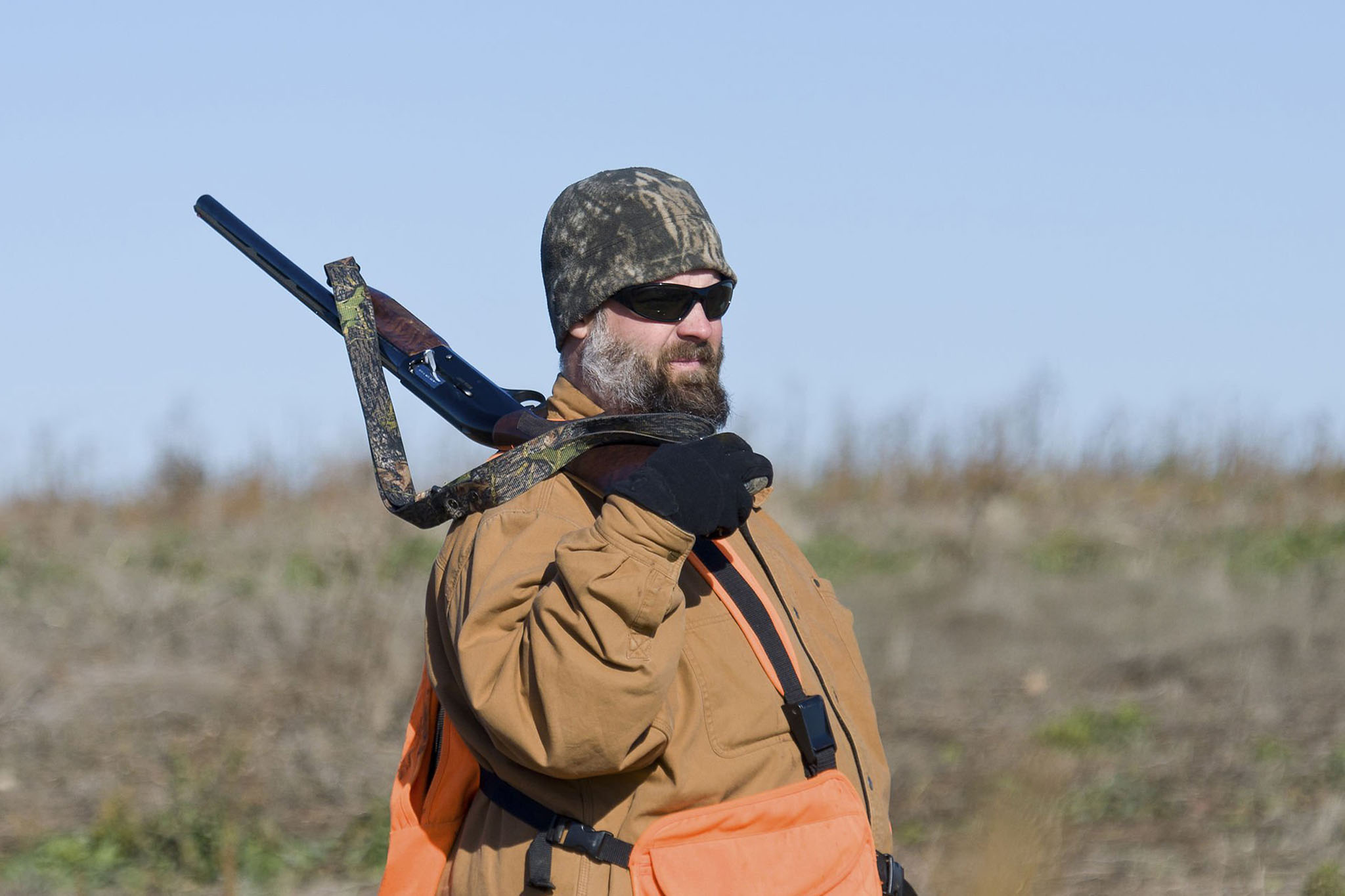
When the temperatures plummet and the marshes glaze over with ice, many hunters pack up for the season. The big flights have slowed, open water is scarce, and decoy spreads freeze in place before sunrise. But for the determined few who stay in the field, those frozen mornings can still bring unforgettable hunts — if you know how to adapt your decoy strategy.
Late-season success comes down to one thing: understanding how ducks and geese behave when their world turns to ice. When the water locks up, your decoys need to look alive in a frozen landscape. Here’s how to make that happen.
Understanding Bird Behavior in the Freeze
When ice takes over the wetlands, waterfowl become creatures of habit. Their priorities shift from migration and socializing to pure survival.
- Open Water Becomes Gold: Ducks and geese congregate wherever they can find liquid water — spring-fed creeks, river bends, and aerated ponds.
- Energy Conservation Rules: Birds feed less frequently, often midday, to conserve body heat.
- Group Behavior Changes: Instead of scattered flocks, they cluster tightly in open pockets for warmth and safety.
Your decoy spread must mirror this reality. Big, flashy spreads on open water no longer make sense — subtle, realistic setups in small open patches are far more convincing.
1. Find or Create Open Water
You can’t fool ducks if you’re hunting on solid ice. Before thinking about decoy placement, focus on maintaining open water.
Here’s how hunters keep a hole open:
- Use an Ice Eater or De-Icer: These circulating pumps keep water moving and prevent freeze-over.
- Break Ice Strategically: Chip a natural-looking hole instead of a perfect circle — jagged edges look authentic.
- Keep it Small: A 10×10-foot open patch can be enough. Ducks in cold weather prefer tight groups on limited water.
If you can’t maintain open water, look for natural alternatives — a cattle pond with overflow, a small creek bend, or a spring seep that stays thawed longer than surrounding areas.
2. Build a Realistic Late-Season Spread
When water freezes, the realism of your spread matters more than the size of it. Here’s how to design one that convinces wary, late-season birds:
• Keep It Tight and Natural
In freezing weather, ducks bunch together for warmth and protection. Set decoys close — nearly touching — in the open water pocket. This “resting flock” look signals comfort and safety.
• Use Sleeper and Resting Decoys
Standing or “sleeper” decoys on the ice edges mimic resting birds perfectly. Add a few full-bodies or shells near the water hole for realism. These decoys don’t move much, but that’s the point — ducks loaf in cold weather.
• Mix Species for Credibility
Mallards may dominate, but adding a few pintails, gadwalls, or black ducks helps your spread stand out. Late in the season, mixed flocks are common in thawed areas.
• Add Geese for Visibility
A few Canada goose floaters or full-bodies create contrast and suggest safety. Ducks often settle near geese in late winter since geese spot danger first.
3. Add Subtle Motion
In the dead calm of a frozen morning, any motion stands out — both natural and artificial. The trick is using just enough to mimic life without looking fake.
- Jerk Rigs: A simple pull-line setup makes ripples and small movements in your decoys.
- Spinner Decoys (Use Sparingly): Late-season ducks have seen plenty of spinners. Use them only if you notice ducks responding — and turn them off when birds are close.
- Pulsators or Bubblers: Devices that create gentle water movement keep your spread from freezing and add the illusion of life.
A little motion goes a long way — subtle ripples in a still patch of water can sell the whole scene.
4. Ice Edge Strategy: Setting the Scene
One of the most overlooked late-season tactics is hunting the ice edge — the thin line between frozen and open water. Ducks love these spots for resting, preening, and loafing.
Here’s how to make it work:
- Place a few decoys on the ice itself — use sleepers or standers.
- Cluster floaters right at the edge of open water, as if birds are slipping in to rest.
- Position your blind downwind of the open patch so incoming ducks land naturally facing you.
The illusion is simple but deadly: birds see comfort and safety where ice meets liquid.
5. Perfect Your Blind Setup
Frozen hunts mean limited cover — reeds collapse, snow covers everything, and the landscape looks flat. You need to disappear without creating hard edges or shadows.
- Use Natural Snow Cover: Build your blind with snow and ice chunks, blending perfectly into the scene.
- Go Low Profile: A layout blind or snow ghillie setup works better than a bulky structure.
- Avoid Shine: Late-season sun on icy mornings can reflect off plastic, metal, or even your gun barrel. Matte finishes are your friend.
Remember: if you can spot your blind from 50 yards away, so can the ducks.
6. Timing and Patience Pay Off
In freezing weather, the best hunting often happens after most hunters leave. Birds move later, when sunlight softens the cold.
- Sleep In: Mid-morning or early afternoon hunts can be more productive.
- Don’t Give Up Early: Ducks might not move until the day warms up enough to thaw feeding spots.
- Stay Flexible: When conditions change — a small hole opens, or wind picks up — birds will notice quickly.
Patience separates those who freeze in silence from those who tag out.
7. Gear That Survives the Freeze
If you’re braving the cold, your gear must handle it too. Water freezing inside decoys or blinds can ruin a hunt.
Cold-Weather Must-Haves:
- Insulated waterproof boots or waders (brands like Trudave or Hisea are known for excellent warmth and traction)
- Hand warmers and waterproof gloves
- Thermos and extra layers
- Headlamp and de-icer tool for early morning setup
Prepared hunters stay sharp long after everyone else has gone home.
The Beauty of the Frozen Hunt
There’s something unforgettable about a frozen marsh hunt — the crunch of ice underfoot, steam from your breath, and the sudden whisper of wings breaking the stillness. It’s raw, unforgiving, and deeply rewarding.
When the water locks up, success isn’t about calling louder or setting more decoys — it’s about reading nature’s small details and adapting your strategy.
Late-season hunting isn’t easy, but when a lone greenhead sails into your carefully crafted spread, wings cupped and feet down over the ice, every frozen morning feels worth it.
