
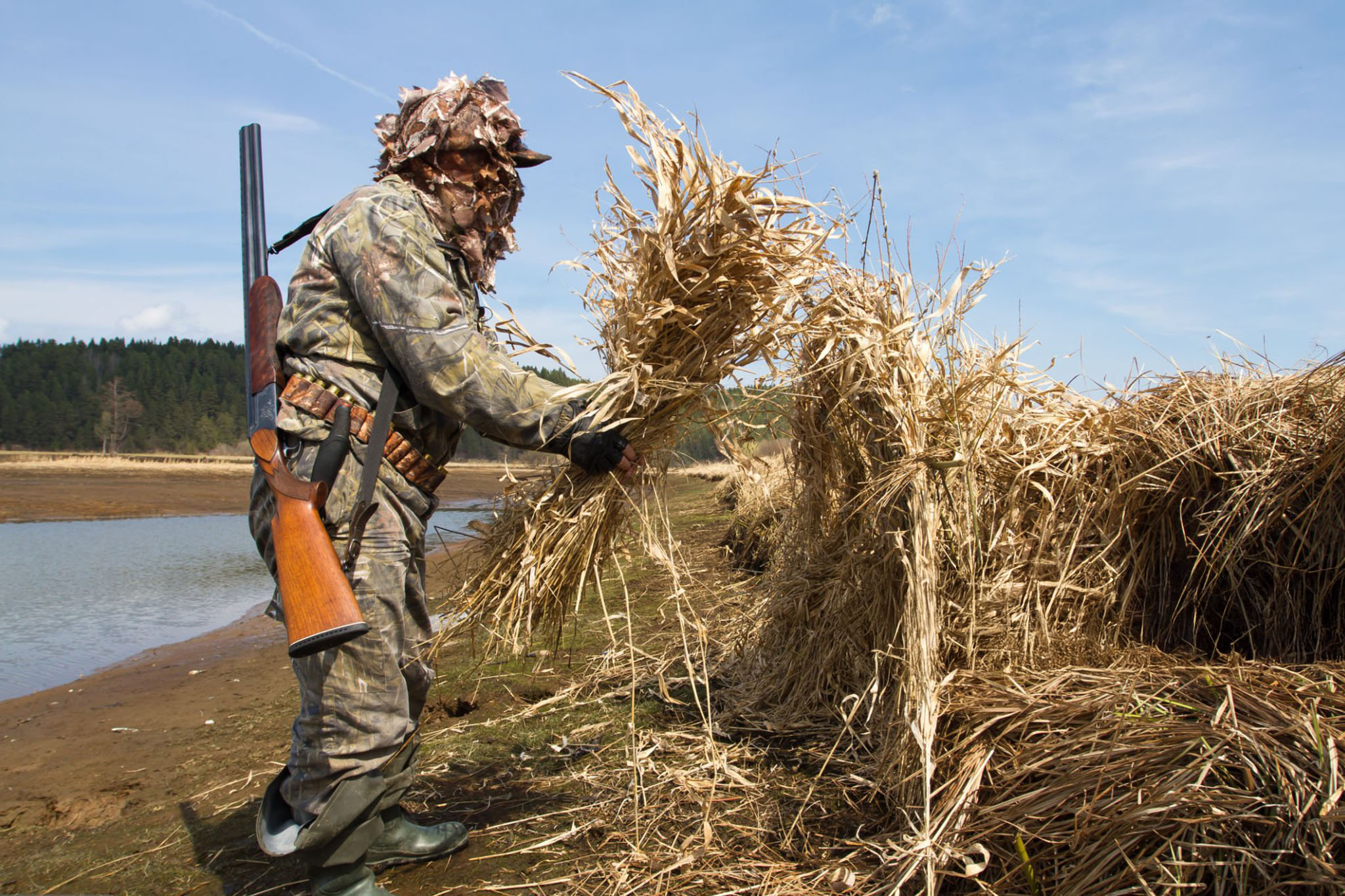
When the mercury plummets and the marshes glaze over with ice, most hunters hang up their waders and call it a season. The decoys are frozen solid, the water’s locked tight, and the birds seem to have vanished into thin air. But for those willing to adapt, late-season cold doesn’t spell the end—it signals the beginning of a new kind of challenge. Ducks are still out there, following frozen flight paths and shifting to overlooked habitats. The trick lies in finding where open water and food still exist—and being ready when they do.
This is the season when grit, creativity, and understanding bird behavior separate the dedicated from the done.
1. The Late-Season Shift: Where the Ducks Go When Everything Freezes
When temperatures drop below freezing for days on end, ducks are forced to adapt quickly. Shallow marshes, flooded fields, and backwater sloughs freeze first, pushing birds toward deeper, moving, or spring-fed waters.
The best hunters this time of year don’t chase where the birds were—they hunt where the birds must go. Focus your scouting on:
- Rivers and Creeks: Flowing water is the last to freeze, and ducks rely on it heavily for roosting and loafing once still water is gone.
- Spring-Fed Ponds or Warmwater Discharges: These micro-habitats often stay open due to consistent temperature. Power plant outflows, springs, and cattle ponds with inflows can be goldmines.
- Feed Fields with Nearby Open Water: When ducks have to work harder to find food, they’ll key in on easy grain sources near open water. Corn, beans, and rice stubble are top targets.
Late-season success hinges on recognizing that the birds haven’t left—they’ve just relocated.
2. Scouting Smarter, Not Harder
In frozen conditions, scouting becomes less about covering ground and more about timing. Ducks in the cold move differently—they conserve energy by resting longer and flying less frequently. Midday flights often replace the dawn rush, and birds may feed only once a day.
Watch for:
- Fresh Tracks or Droppings on Ice: Signs of overnight roosting or short stops.
- High, Distant Flights: Birds may be relocating between open water pockets, often visible from miles away on clear, cold days.
- Thermal Shifts: On sunny days, south-facing banks or bends in a river thaw first, opening temporary water patches that ducks quickly exploit.
Use optics and patience. One confirmed pocket of open water can hold hundreds of birds when everything else is sealed tight.
3. Decoying in the Freeze: Less is More
When space is limited and ducks are concentrated in tight open patches, big decoy spreads can actually work against you. Real ducks in winter tend to huddle closely together, conserving warmth and reducing movement.
Try scaling back to a small, realistic spread:
- A dozen or fewer decoys clustered tightly.
- Add sleeper or resting decoys to mimic relaxed birds.
- Keep a spinner or jerk rig handy—but use motion sparingly, especially on calm days.
Naturalism is key. Late-season ducks have seen every decoy configuration imaginable. What convinces them now is subtlety and precision.
4. Timing the Hunt: Play the Weather, Not the Clock
Extreme cold creates rhythm in duck movement. When the world freezes, ducks often feed later in the day—when sunlight softens ice or wind opens small holes. That means the classic “early morning hunt” might not be the ticket anymore.
Instead, focus on midday warmth and fronts:
- Rising temperatures mid-morning often trigger flight.
- Incoming weather systems push birds to relocate before conditions worsen.
- South winds after a deep freeze can reopen water and restart migration movement.
A late start with warm coffee in hand can often beat the dawn crowd hands down.
5. Gear Up for the Freeze
Frozen hunts test not just patience but equipment. Proper gear keeps you effective when others quit.
Key gear considerations:
- Insulated waders and waterproof outerwear: Ice edges can cut, so reinforced materials are essential.
- Hand warmers and a dry pack system: Cold fingers mean missed shots and broken calls.
- Ice chisel or hatchet: A few minutes of breaking skim ice can open a huntable pocket.
- Thermos and high-calorie snacks: Long sits in subzero weather require energy and warmth.
And remember—never risk unsafe ice or fast-moving current. Ducks might handle it better than you can.
6. Respecting the Birds and the Challenge
Late-season duck hunting isn’t about high numbers or easy limits. It’s about resilience—the willingness to adapt, endure, and outthink the toughest conditions nature throws your way.
Each successful hunt in the freeze feels earned, not given. The icy air burns your lungs, your decoys stick together, and your fingers ache from the cold—but when that small flock swings low over a patch of open water, all of it feels worth it.
Those moments—quiet, hard-earned, and fleeting—are what keep true waterfowlers coming back year after year.
Final Thoughts
When the marshes lock up and most hunters head home, the real challenge begins. Frozen flight paths are not the end of the season—they’re the test that defines it. With smart scouting, adaptable setups, and respect for the elements, you can still find ducks when the world turns to ice.
Out there, in the biting wind and the brittle silence, the marsh still breathes—just quieter now. For those who keep going, the rewards are pure and unforgettable.
