
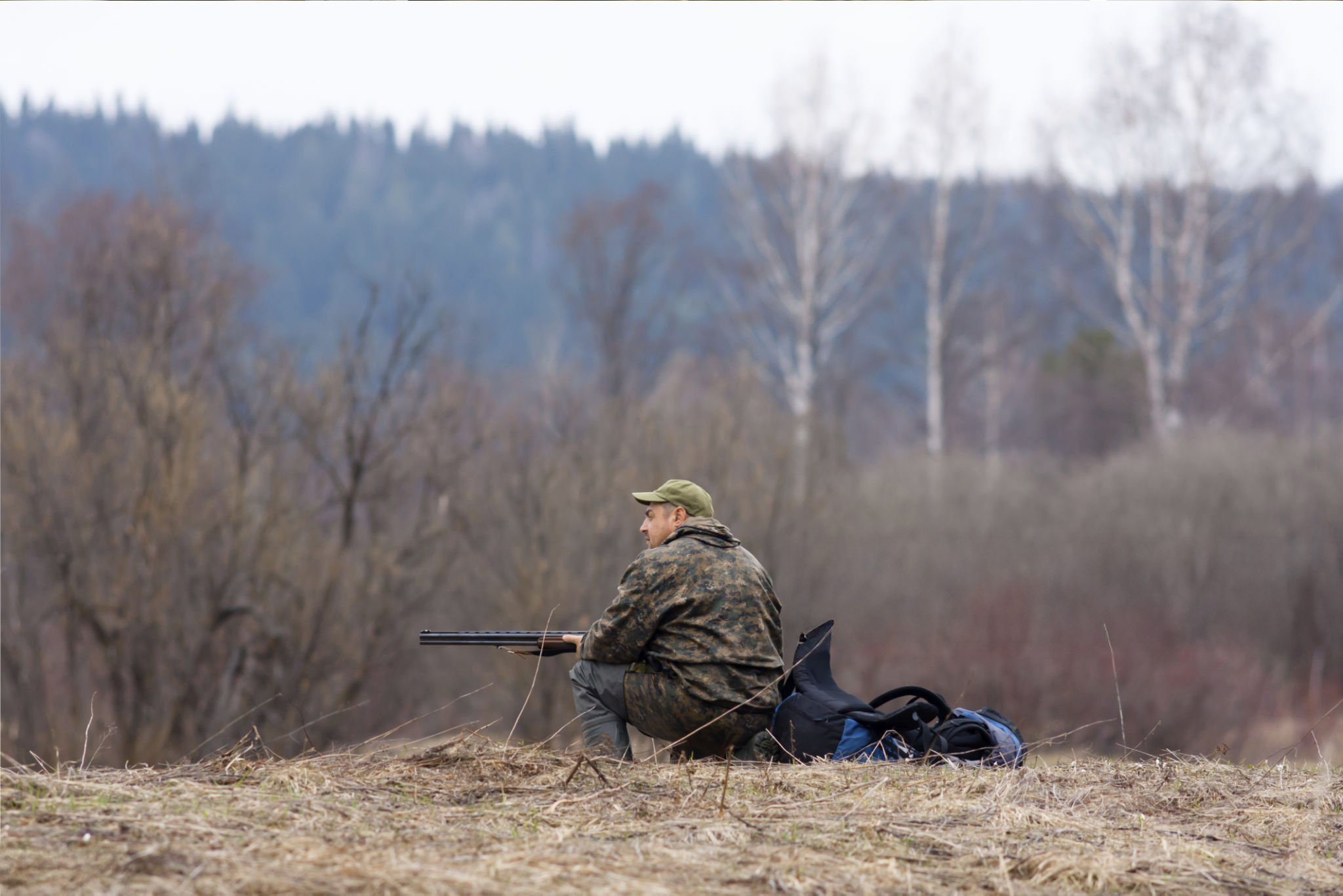
When the last trucks pull out of the trailhead and the woods grow quiet again, that’s when the real magic of hunting begins. The blaze-orange rush of opening week has faded. The social media brag posts slow down. But for those who stay—the patient, the deliberate, the ones who find peace in solitude—the late season offers something most hunters never truly experience: rediscovering the hunt itself.
Late-season solitude changes everything. The animals act differently. The woods sound different. Even your own heartbeat feels louder. This is when the distractions fade and you reconnect with what brought you out here in the first place.
1. The Shift After the Rush: When the Woods Reset
Once the crowds leave, the forest reclaims itself. Deer return to their natural patterns, ducks settle into overlooked ponds, and turkeys begin to roam the quiet timber edges again. The chaos of early pressure gives way to calm, but that calm doesn’t mean easy hunting—it means opportunity for those willing to slow down and pay attention.
You’ll notice fresh sign in places that were barren weeks ago. Food sources—like cut cornfields or mast-rich ridges—start pulling wildlife back in. When the noise fades, subtle clues become clear again: a snapped twig, a faint track in the frost, or the shadow of movement just beyond the tree line.
Solitary hunts force you to read the woods more deeply. You become less of an observer and more of a participant in the rhythm of nature.
2. Mental Clarity: Why Hunting Alone Sharpens the Edge
There’s something profoundly grounding about being alone in the woods. No chatter, no waiting for a partner to catch up, no competing opinions on where to sit or what call to blow. It’s just you, your instincts, and the land.
Solo hunting isn’t about isolation—it’s about focus. When you remove distractions, you become attuned to every sound and movement. Your decisions sharpen. You begin to trust your intuition more. Many veteran hunters say that solo hunts, especially in the late season, are when they truly “hear the woods talk.”
And beyond the practical, there’s a quiet satisfaction in knowing that success—or failure—rests entirely on your shoulders. Every choice matters, every mistake teaches, and every moment alone brings clarity that’s hard to find anywhere else.
3. Reading the Land Like It’s Alive
When you’re hunting alone, you start to notice how alive the woods truly are—even in the dead of winter. The crunch of ice under your boots, the whisper of wind through bare branches, the faint rustle of a squirrel digging for acorns—it’s all part of the hunt.
Solitude teaches patience. It forces you to slow your pace, to read sign more carefully, and to interpret the landscape as a living map. Late-season hunting is less about pushing hard and more about letting the woods reveal its secrets to you.
That ridge you overlooked in November might now hold a bachelor group of bucks feeding near mid-day. The marsh where you heard a few ducks early in the season might now be a resting point for late migrators. When you’re alone, you have the freedom—and the calm—to explore without noise or hurry.
4. Safety and Preparation: Solitude with Awareness
While hunting alone has rewards, it also demands respect. Always tell someone where you’ll be, carry a GPS or onX app, and keep a fully charged phone or radio. Layer properly for the cold, and pack enough food and water for longer sits or walks than expected.
Solitary hunts often take you deeper into unfamiliar terrain, so knowing your boundaries and staying alert is key. Safety gear like a headlamp, small med kit, and fire starter might seem minor until the moment they’re not.
True independence in the woods comes not from recklessness, but from preparation.
5. Finding Stillness and Rediscovering Purpose
At some point in every late-season solo hunt, there’s a moment of stillness—a pause when the world feels perfectly balanced. The breath of frost in the air, the soft creak of a tree, the hum of silence.
That’s when you realize: the solitude isn’t empty—it’s full. Full of lessons, peace, and connection. The hunt becomes less about filling tags and more about filling the soul.
You start to remember why you fell in love with hunting in the first place. It wasn’t for trophies or photos. It was for the quiet pursuit, the simplicity, and the feeling of belonging to the wild.
When the crowds leave, the woods are yours again—and for those who embrace that solitude, it’s not the end of the season. It’s the return to what hunting was always meant to be.
Final Thoughts
Hunting alone in the late season isn’t about isolation or toughness—it’s about rediscovery. The quiet woods, the patient hours, the deep connection to nature—they all remind us that the true reward of hunting isn’t always the harvest. It’s the process, the presence, and the peace that comes when you’re alone with the wild.
So when the parking lots empty and the woods fall silent, don’t pack away your gear just yet. Go back out there. Walk softly. Listen closely. And rediscover the hunt when the crowds leave.
