
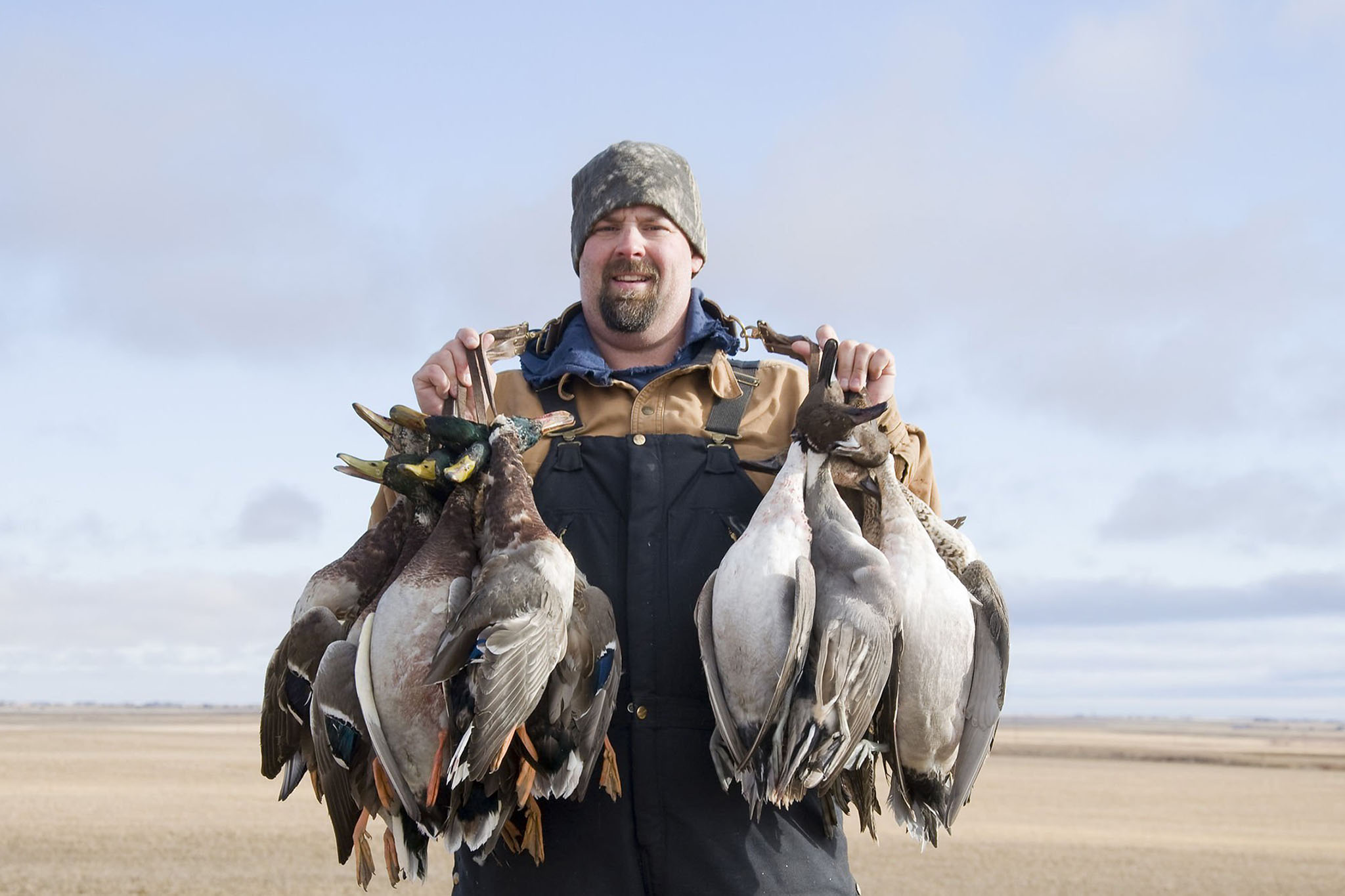
When the landscape turns white and every pond, creek, and marsh locks under a sheet of ice, most hunters pack it in for the season. But for those who understand waterfowl behavior and know how to adapt to frozen conditions, this is when some of the best hunting of the year can happen. Hunting in subfreezing weather takes grit, planning, and a deep understanding of how ducks respond when their world ices over — but the payoff can be unforgettable flights and full straps.
1. The Cold Truth: Why Frozen Conditions Change Everything
When temperatures plunge and smaller bodies of water freeze, ducks lose access to two essentials — food and rest areas. The pressure of survival pushes them to move, often during daylight hours, seeking open water and reliable feeding zones.
This shift creates opportunity. Hunters who can find or create these scarce “open-water sanctuaries” can attract concentrations of birds that might not otherwise appear during warmer periods.
The key is understanding where ducks go when the easy options disappear — and being there before they arrive.
2. Finding the Open Water: The Magnet of the Frozen Season
When everything ices over, open water becomes gold. It’s the number one attractant for waterfowl in deep winter.
Here’s where to look:
- Spring-fed Creeks and Rivers: Moving water resists freezing. Look for bends or shallow riffles that stay open. Ducks often loaf or feed in these areas during the coldest days.
- Power Plant Outflows or Warmwater Discharges: Many industrial or municipal sites release warm water that prevents icing. Always check regulations and safety zones, but these can be duck magnets.
- Large Reservoirs and Lakes: Wind keeps sections of big water open longer. Focus on windblown shorelines or sheltered coves where ducks can land.
If you can’t find open water — make it. Hunters often use ice eaters or submersible pumps to keep small pockets open in their decoy spreads, mimicking natural water movement.
3. Decoy Strategies for the Ice Age
Late-season ducks have seen it all, so realism and motion matter more than numbers.
- Small Spread, Big Realism: In frozen conditions, ducks group tightly in the remaining open patches. Use a small number of decoys — a dozen or less — clustered in a natural pocket rather than a wide V formation.
- Add Motion: Use jerk cords, pulsating decoys, or ice eaters to create ripples. Still water looks dead and scares birds off.
- Include Ice Edge Detail: Scatter a few shell decoys on the ice edge to mimic birds resting or preening. The contrast between ice and open water draws attention.
A touch of imperfection — uneven spacing, natural ripples — often looks more authentic than a perfect setup.
4. Concealment: Blending In with a Frozen World
In a world of snow and ice, traditional camo patterns might not cut it. Swap your dark blind material for snow covers, white netting, or natural ice grass. When hunting frozen fields, use layout blinds or snow ghillie blankets that match your surroundings.
Also, be mindful of sun glare off snow and ice — it can reflect into the blind or your face, revealing movement. Wearing a white face mask or buff helps reduce shine and blend into the landscape.
5. Timing the Hunt: Let the Weather Work for You
Cold-weather ducks move on a tight schedule, often dictated by sunlight and temperature changes.
- Midday Movement: Unlike early-season birds, late-migration ducks often fly between 10 a.m. and 2 p.m., when sunlight softens the ice and exposes food.
- After a Warm-Up: A slight thaw can reopen pockets of water overnight, triggering intense feeding flights.
- Before a Front: Ducks feed aggressively before major snow or ice storms. If you can endure the cold, those pre-front hours can produce spectacular hunts.
Always monitor the forecast. Late-season success is all about matching your effort to the weather’s rhythm.
6. Field Hunts: When the Water Is Gone, Follow the Food
If every pond is sealed shut, ducks still have to eat. And that means they’re heading to corn, soybean, or wheat fields.
Field hunting in icy weather is an art:
- Scout Smart: Look for fresh tracks or droppings where birds have been landing.
- Hide Deep: Snow-covered layout blinds or natural depressions are essential.
- Go Small and Still: Late-season ducks are skittish; even two or three hunters are enough. Too many people and movement can ruin a good feed.
When the water’s frozen, think like a duck — if you can’t rest, you feed.
7. Gear for the Deep Freeze: Comfort Equals Endurance
Success in frozen conditions often comes down to who can outlast the cold.
- Layer Wisely: Use a moisture-wicking base, an insulating mid-layer, and a windproof shell.
- Waterproof Boots or Waders: Ice edges are slippery and wet — insulated waders or waterproof deck boots are essential.
- Hand Warmers and Face Protection: You can’t call or shoot effectively if your fingers are numb. Keep spares in your pockets or gloves.
- Thermos and Snacks: Long waits in the cold go smoother with a little warmth and energy.
The better you prepare for the elements, the longer you’ll stay focused — and the more likely you’ll be in the blind when the birds finally move.
8. Ethics and Safety in Ice Conditions
Frozen hunts bring unique hazards. Never risk thin ice — always test the thickness before walking or placing decoys. Carry a throw rope and ice picks, and wear a life vest when setting up in partially frozen water.
And remember: when open water is scarce, don’t overpressure a productive spot. Overhunting a small pocket can push birds away for good. Responsible hunting preserves the opportunity for future flights.
9. Final Thoughts: Ice Isn’t the End — It’s the Challenge
When everything freezes, many hunters call it quits — but that’s exactly when the die-hards find their rhythm. Ducks become more concentrated, their needs more predictable, and every hunt becomes a test of patience, knowledge, and endurance.
So when you wake up to a frozen sunrise and the thermometer barely budges, don’t stay home. Grab your decoys, break some ice, and set the spread. Because in the heart of the freeze, when your breath fogs the air and wings cut across the silent sky, you’ll remember why the toughest days often bring the truest rewards.
