
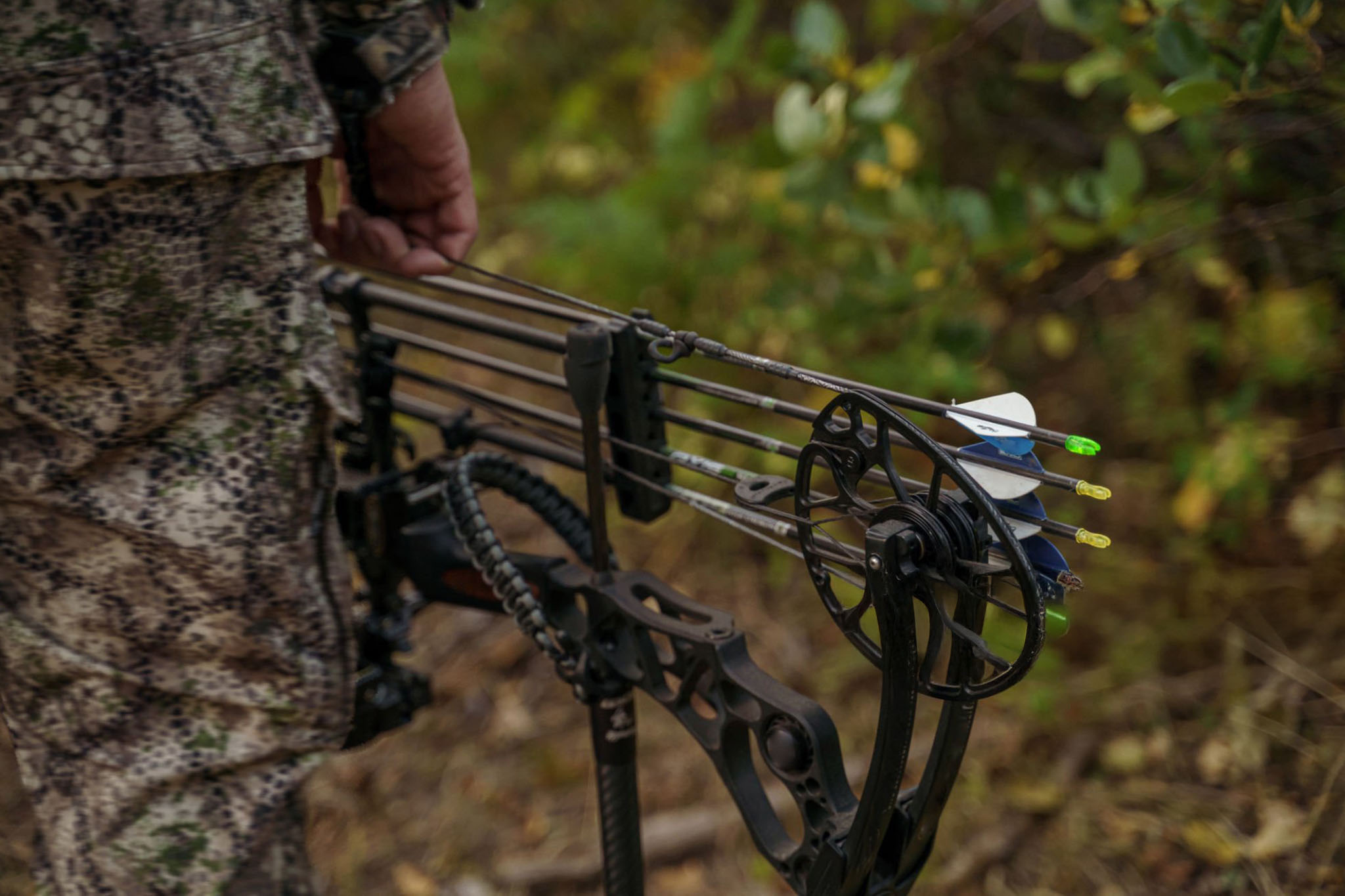
When the rut fades and the woods fall silent under a blanket of frost, many hunters pack it in for the season. But for those who understand late-season deer behavior, this is when the game truly begins. As temperatures drop and natural food sources dwindle, deer shift their priorities from breeding to survival—and nothing dictates that survival more than food. Knowing where, what, and when deer eat during this critical period is the key to consistent late-season success.
The Post-Rut Reset: Survival Over Everything
After weeks of intense rut activity, deer—especially mature bucks—are worn down. Their energy reserves are depleted, and their primary focus turns to regaining strength before the depths of winter. This transition means that feeding patterns become highly predictable. Bucks that once roamed miles for does now stick close to reliable food sources and nearby cover.
In short, if you can find the calories, you can find the deer.
The trick is understanding which food sources remain and how deer respond to weather, pressure, and seasonal availability.
High-Energy Foods: The Late-Season Staples
By late November and December, most green vegetation is gone. What remains are high-carbohydrate and high-fat foods that provide energy and help deer stay warm. Here’s what to look for:
- Cornfields: Picked cornfields are magnets for deer in cold weather. Residual kernels offer easy calories, and the open layout provides visibility for security-minded bucks.
- Soybeans: When temperatures dip into the 20s, soybeans become irresistible. Their high protein and fat content give deer the fuel they need for winter survival.
- Acorns: In areas with oak trees, leftover acorns—especially from white oaks—are prime targets. Even in snow, deer will paw through to find them.
- Winter wheat and brassicas: Managed plots with wheat, turnips, or radishes provide fresh forage late into the season, especially when snow covers everything else.
Each of these food types attracts deer differently depending on location, hunting pressure, and available cover. The best hunters identify which option holds the highest traffic and adjust stands or blinds accordingly.
Timing the Feed: Cold Fronts and Activity Windows
Deer metabolism and feeding behavior change dramatically with temperature shifts. As a rule, the colder it gets, the earlier deer move.
When a cold front pushes through—especially one that follows rain or snow—expect an uptick in feeding activity. Deer instinctively know they need to eat before bitter weather sets in.
Hunters who watch the weather closely can time hunts perfectly. A rising barometer and calm evening after a storm often create ideal movement. Bucks that normally step out after dark might appear 30–45 minutes earlier, offering a window of opportunity that rarely repeats.
Bedding Proximity: The Short-Distance Strategy
Late-season deer are cautious. They’ve survived months of hunting pressure and won’t expose themselves unnecessarily. That’s why the best late-season setups focus on food sources near bedding areas.
When possible, locate transition zones—the strips of cover between thick bedding and open fields. Bucks use these corridors to scent-check feeding areas before committing. Setting up downwind of these trails or on the edge of secondary cover can yield the perfect ambush point.
If deer must travel long distances from bedding to feed, they’ll likely do so after dark. Keeping pressure low and setups stealthy ensures they maintain that daylight movement.
Hunting Smart: Pressure and Patience
Late-season deer are hypersensitive to human intrusion. Every sound, scent, or silhouette can push them nocturnal for days.
A few simple rules can make or break a hunt:
- Play the wind—always. Late-season winds are steady and predictable. Use them.
- Limit entry and exit routes. Avoid crossing feeding areas or major trails.
- Don’t overhunt one stand. Rotate locations or wait for perfect conditions.
- Use quiet gear. Frozen fabrics and squeaky boots can ruin an opportunity in seconds.
Patience is critical this time of year. You may only get one or two high-quality sits per cold front—but those are the ones that count.
Feeding Patterns in Different Habitats
- Farmland Regions: Focus on leftover crops and field edges. Deer often enter fields from wooded fingers or fencerows, especially after sunset.
- Big Woods: Key in on remaining mast crops or clearcuts with regrown browse. Thermal cover—such as south-facing ridges—often lies near these food sources.
- Mixed Terrain: Scout for soft transitions between hardwoods, cutovers, and small openings. Deer like to feed where they feel secure, not fully exposed.
Each landscape tells a story. The goal is to connect the dots between bedding, travel, and feed under current conditions.
Final Thoughts: The Reward of Reading the Feed
Late-season hunting isn’t about calling, chasing, or covering miles—it’s about observation, discipline, and precision.
If you can pattern deer based on food availability and adjust for cold-weather behavior, you’ll find success when most hunters have already quit.
Remember this: when it’s cold, deer eat to live—and if you know where they’re feeding, you’re already halfway to filling your tag.
