
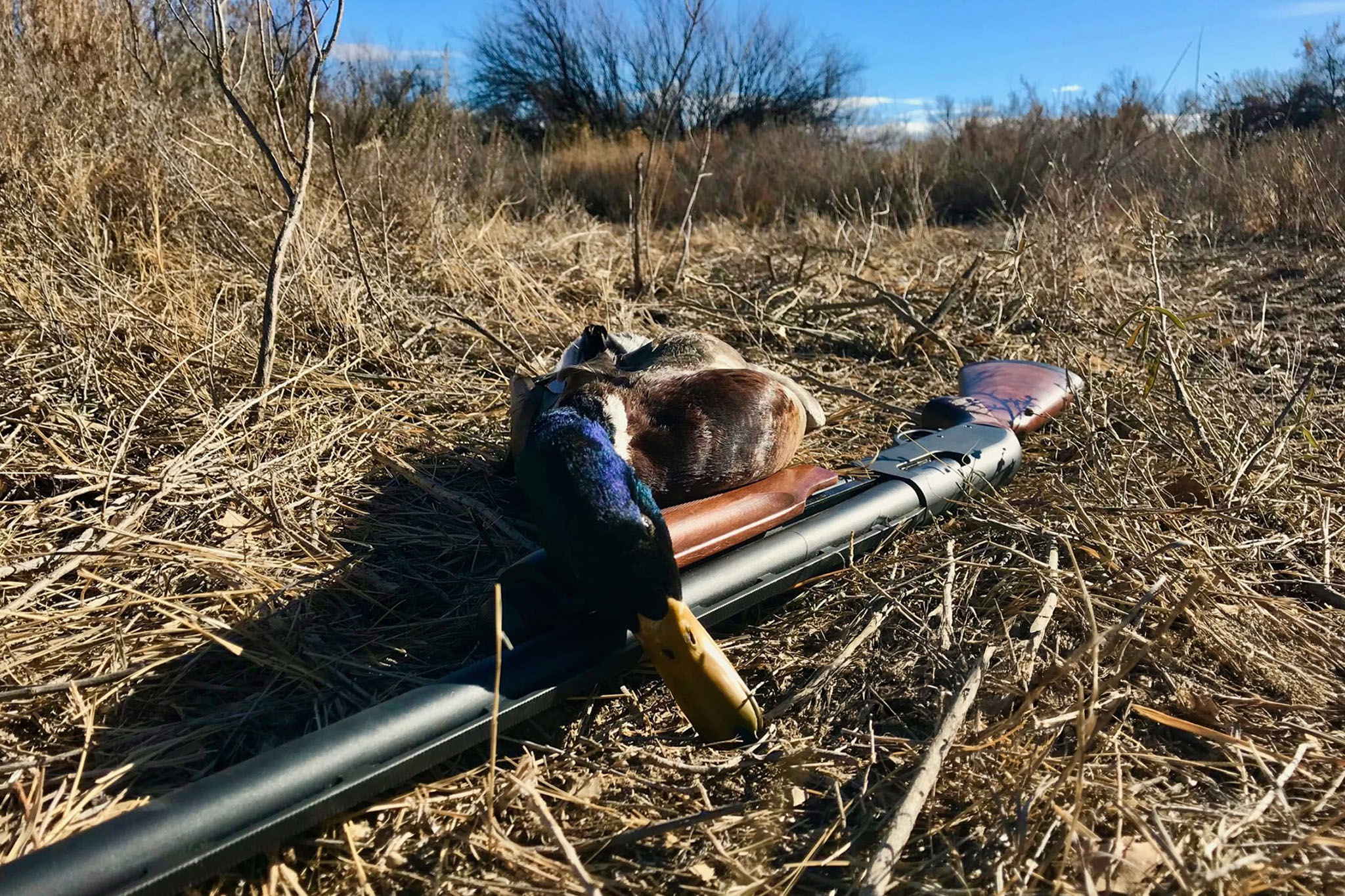
By the time January rolls around, most of the big migration waves have passed. The skies that once swarmed with mallards and pintails now look eerily empty, and the marshes echo only with the sound of the wind. But seasoned hunters know—the season isn’t over. The birds are still there. They’re just different now—educated, pressured, and hiding in places most hunters overlook. Understanding where late-migrating ducks go, how they behave, and what keeps them in one spot can mean the difference between an empty strap and a full tailgate in the final weeks of the season.
Why Late-Migration Ducks Act Different
By late season, ducks have been hunted for months across multiple flyways. They’ve dodged decoys, heard every call in the book, and seen enough spinning wings to last a lifetime. These birds aren’t naive—they’re survivors.
Late migrants tend to be ultra-selective about where they rest and feed. They seek security first and food second, often choosing quiet, overlooked areas where human activity is minimal. These are not the same ducks that piled into open lakes and flooded cornfields in November. They’ve learned to adapt—and if you want to find them, you’ll have to do the same.
1. Hidden Waters: The Power of Small, Unpressured Spots
One of the biggest mistakes late-season hunters make is sticking to large, well-known water systems. Those big lakes and refuges get pounded all season, and by now, ducks know every safe and unsafe corner.
Instead, look for small, overlooked waters—the kind you can barely find on a map:
- Stock ponds on the edge of cattle pastures
- Shallow backwaters off major rivers
- Timber potholes only accessible by kayak
- Abandoned irrigation ditches or sloughs
These micro-habitats often hold surprising numbers of ducks in January because they’re quiet, warm, and rarely disturbed. Mallards, gadwalls, and teal will use these spots to loaf through the day, especially when ice covers larger bodies of water.
Pro Tip: Use aerial imagery or onX to locate hidden pockets of water within a mile of major feeding fields. These serve as perfect midday refuges for pressured ducks.
2. Warm Springs and Geothermal Creeks
When deep freezes lock up everything else, ducks move to where the water stays open. Natural springs, power-plant discharge channels, or slow-moving creeks fed by underground heat sources are magnets for late-migrating birds.
Mallards in particular love spring-fed seeps where constant water flow prevents freezing. Even a 20-foot-wide stretch of open water can host hundreds of birds when options are limited.
If you’re in the Midwest or Great Plains, focus on river bends, culverts, and tailwater areas where warm water mixes with cold. These are ideal locations to catch ducks resting or feeding through midday.
3. Hidden Food Sources: Subtle but Reliable
As agricultural fields get harvested and freeze over, ducks shift to alternative food sources—many of which go unnoticed by hunters.
Look for:
- Waste grain left in frozen soybean or corn stubble that gets exposed after thaw cycles.
- Acorns in flooded timber areas where water levels rise late in the season.
- Submerged vegetation like pondweed or smartweed in shallow water that hasn’t frozen solid.
During late migration, ducks aren’t looking for easy pickings—they’re seeking consistent nutrition. A half-acre of open, food-rich water in an isolated spot can outproduce a hundred-acre field this time of year.
4. Urban Edges and No-Hunt Zones
It’s no secret anymore: when hunting pressure peaks, ducks move into city limits. Retention ponds, golf course water hazards, and suburban creeks become safe havens for late-season birds.
While hunting these areas is often off-limits, they provide valuable scouting insight. Watch where those city ducks fly at first light—you’ll often see them heading to nearby legal areas that still offer solitude and food.
Finding these transition zones between urban safety and rural feeding grounds is one of the best late-season tactics for targeting smart, local ducks.
5. The Role of Weather in Late Migration
Not every duck migrates at the same time. Even when the main push is done, weather continues to shift birds regionally. A single warm spell can draw ducks north temporarily, while a hard freeze can send smaller pockets south overnight.
Hunters who monitor temperature gradients, snow lines, and wind patterns can anticipate these smaller “micro-migrations.” These aren’t the massive fronts of November—but they’re predictable, and often more rewarding.
Keep an eye out for days following a three-day cold snap with a south wind and rising temperatures. That’s when birds move mid-morning, often seeking new open water and fresh food.
6. Hunting Smart: Adapting to Late-Season Pressure
When ducks are few and wary, every move you make matters.
- Simplify your spread. Late-season ducks have seen massive decoy rafts. Run small, tight groups of six to twelve decoys that look relaxed and natural.
- Tone down the calling. Use soft feeder chuckles or quiet drake whistles instead of loud hail calls.
- Hide better than ever. Bare branches, frozen grass, and snow glare can ruin concealment. Brush your blind with local vegetation or snow covers to match the surroundings perfectly.
- Time your hunts carefully. Midday or early afternoon often produces better movement than dawn once temperatures begin to rise.
7. Stay Mobile and Scout Relentlessly
Late-season hunting rewards mobility. Ducks won’t sit in one place for long, and access routes often freeze overnight. Be ready to move quickly with lightweight setups, shallow-water boats, or sleds.
Use binoculars from the road to scout before committing to a setup. If you find even a dozen birds on a hidden pond, mark it down—those are likely locals riding out the rest of the season.
Final Thoughts: Persistence Pays Off
When the big flights are gone, the casual hunters give up. But for those who stay in the game, late-season hunting offers solitude, challenge, and unmatched satisfaction. Finding those last few pockets of ducks takes patience, creativity, and an understanding of how survival shapes their behavior.
The reward? The final greenhead cupping in over snow-dusted decoys, the sound of wings cutting through cold air, and the quiet pride of knowing you earned it the hard way—by thinking like a duck when everyone else had packed it in.
