
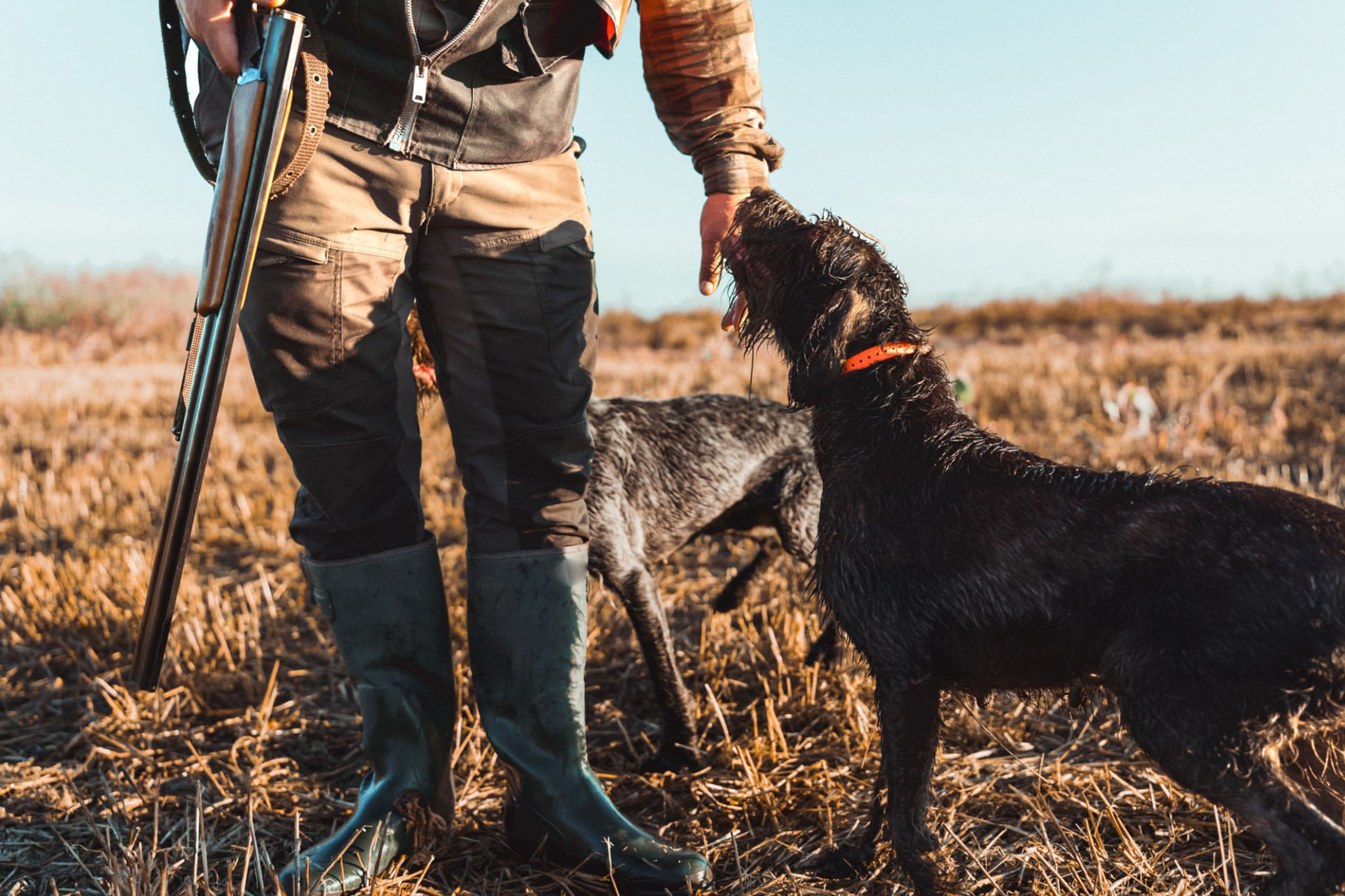
When the temperature drops and the woods go quiet, every sound carries farther than you think. The crunch of snow, the whisper of fabric, or the swish of a jacket can send even the most curious buck bounding for cover. Late-season hunts demand more than just warmth—they demand silence. The challenge? Staying warm without turning into a walking windbreaker. Here’s how to master cold-weather layering that keeps you stealthy, warm, and deadly quiet.
1. Why Sound Matters More in the Cold
In frigid air, sound travels faster and farther because cold, dense air transmits vibrations more efficiently. That means the subtle noises you barely noticed during archery season now echo across frozen woods. Animals like deer and coyotes rely heavily on sound to detect danger, especially in open or snow-covered terrain where sightlines are limited. If your gear rustles when you move, you’re announcing your presence before you even spot your quarry.
2. Understanding the Source of Layer Noise
Layer noise often comes from friction—fabric rubbing against itself or stiff materials brushing as you move. Here are the usual culprits:
- Hard-shell outers: Waterproof membranes or rigid synthetic coatings that “crackle” in the cold.
- Overly tight fits: Layers that bunch or pull cause swishing sounds when you shift.
- Synthetic insulation layers: Some polyester blends stiffen in low temps, amplifying every movement.
To eliminate unwanted noise, focus on flexible, quiet fabrics built for hunting—not for hiking or skiing.
3. Base Layer: Start Soft and Moisture-Wicking
Your base layer sets the tone for the rest of your system. It should keep you dry, comfortable, and silent against your skin.
- Best choices: Merino wool or brushed polyester. Both wick moisture without creating friction.
- Avoid: Cheap nylon blends or compression-fit synthetics—they squeak and restrict movement.
- Pro tip: Go tagless or cut out labels to prevent fabric-on-fabric noise where your pack or harness rubs.
A silent hunt begins with what’s closest to your skin.
4. Mid Layer: Quiet Warmth Without Bulk
This is where most hunters get it wrong. They pile on puffy insulation, then wonder why their jacket sounds like a trash bag in the treestand.
- Ideal materials: High-loft fleece, wool, or Primaloft-style synthetics wrapped in softshell fabric.
- The goal: Trap heat while allowing movement and sound dampening.
- Fit check: Lift your bow or rifle slowly—if you hear fabric shift or scrape, your mid layer’s too stiff.
Modern hunting brands now make silent fleece and hybrid jackets designed to maintain warmth while muting sound—worth every penny when the woods are still.
5. Outer Layer: Choose Silence Over Shine
Your outerwear faces the elements, but it shouldn’t announce your arrival. Look for gear built for stealth:
- Soft-shell jackets and bibs: These combine water resistance with quiet, flexible materials.
- Brushed microfleece exteriors: They deaden noise and absorb sound vibrations.
- DWR-treated fabrics: Keep moisture out without the “crunch” of traditional rain gear.
If snow or sleet is in the forecast, layer a lightweight waterproof shell over your silent outer layer only when absolutely necessary—and remove it once conditions clear.
6. Managing Movement: Silence Comes from Stillness
Even with the best gear, noise can creep in when you move carelessly. A few habits make all the difference:
- Dress early: Don’t layer up at the truck. Suit up quietly in the field so fabric doesn’t creak in the cold.
- Move slow and deliberate: Shift one piece of gear at a time—especially when glassing or drawing.
- Minimize friction points: Adjust pack straps, sling buckles, and belt clips before entering the woods.
Hunters who move like the cold itself—slow, silent, and deliberate—tend to see more and spook less.
7. Don’t Forget the Accessories
Noise isn’t limited to clothing. Gloves, boots, and even face masks can betray your position.
- Gloves: Opt for soft, fleece-lined models instead of stiff waterproof shells.
- Boots: Rubber or neoprene boots like Trudave or Hisea hunting boots are excellent—they’re warm, waterproof, and dead quiet in snow and slush.
- Neck gaiters and hats: Stick with brushed or wool materials; nylon makes that telltale swish every time you turn your head.
The goal is full-body silence—from head to heel.
8. Field-Test Before You Hunt
Don’t wait until opening morning to realize your jacket squeaks with every breath. The best hunters test their gear the same way they test their calls—before it counts.
- Try it at home: Move, crouch, shoulder your weapon. Listen carefully.
- Test in the cold: Some fabrics only stiffen and make noise at freezing temps.
- Make adjustments: Sometimes a simple layering swap can make all the difference.
Every hunt is unique, but silence always gives you an edge.
Final Thoughts
Cold-weather hunting is a test of endurance, patience, and preparation. Layering quietly isn’t just about comfort—it’s about control. When your gear moves with you instead of against you, you blend seamlessly into the frozen landscape. So next time you head out before dawn, wrapped against the cold, remember: the best hunters aren’t the loudest or the toughest—they’re the quietest.
