
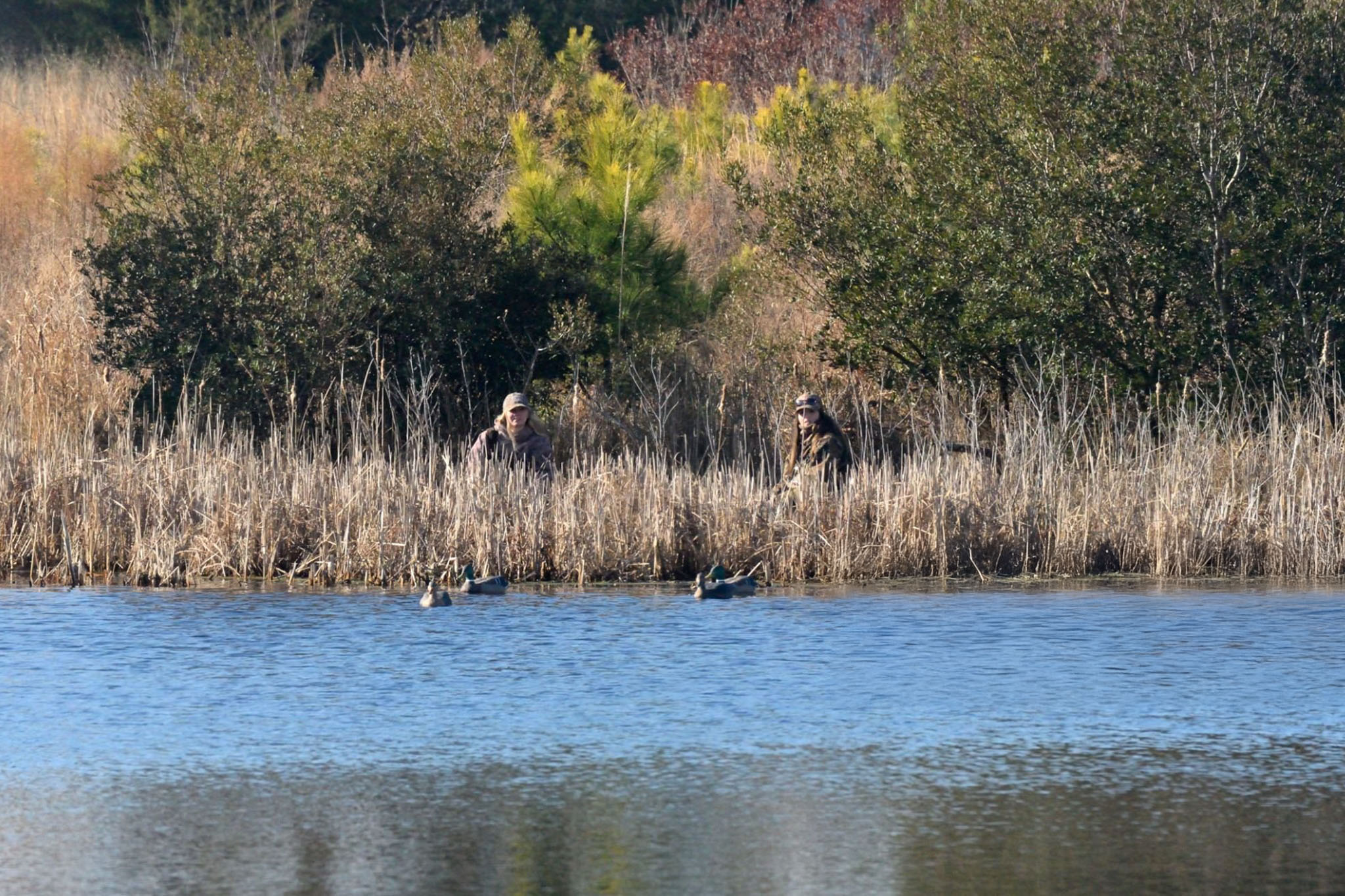
When it comes to waterfowl hunting, understanding and predicting weather patterns isn’t just a skill—it’s a game-changer. Among the most critical weather factors to consider, windchill and its accompanying weather shifts have a profound effect on duck and goose behavior. These conditions can make or break a hunt. Timing your hunt with the right weather shifts can not only increase your chances of success but also give you a deeper understanding of how your quarry responds to changing conditions. In this article, we’ll explore the dynamics of windchill, how to read weather patterns for waterfowl hunting, and how you can use these elements to your advantage.
Understanding Windchill and Its Impact on Waterfowl
Windchill refers to the perceived drop in temperature felt by the human body due to the wind. While it’s primarily a concern for hunters out in the field, waterfowl are also deeply affected by these cold winds. As temperatures drop and the wind picks up, waterfowl adjust their behavior to conserve energy and seek food sources more efficiently.
- How Wind Affects Waterfowl: Wind speeds often dictate waterfowl flight patterns. Strong winds can push waterfowl into more sheltered areas, including bays, ponds, or even open fields. The same wind, however, can drive them away from open waters, making hunting in those areas much more challenging.
- Windchill Impact: Just like hunters feel the bite of cold air, waterfowl experience a more intense chill. Waterfowl don’t want to waste energy by flying around too much in the cold. They will hunker down in more protected areas, searching for food where the wind is not as harsh. Understanding this behavior can help hunters position themselves in the right spots.
Reading the Weather: When to Hunt and Why
Windchill and wind direction are not the only weather elements that affect waterfowl. Ducks and geese also respond to changing weather patterns in unique ways. Let’s break down how to interpret various weather shifts to time your hunt for the best possible success.
Pre-Frontal Winds: The Calm Before the Storm
Before a front moves through, weather conditions often remain calm. During this period, waterfowl can be quite active, feeding and flying around in preparation for incoming weather.
- Why It’s a Prime Time: As pressure drops ahead of a cold front, ducks and geese become more active, knowing that food sources will become scarcer after the storm hits. The calm before the storm presents an excellent time to hunt, as birds are more likely to be on the move.
- Best Timing: The hour or two before the front hits is often a sweet spot for waterfowl hunters. Look for signs of wind picking up, a shift in barometric pressure, or increased waterfowl activity. Be ready to set up just before the storm rolls in to catch them in action.
Post-Frontal Winds: A Surge in Movement
Once a cold front passes through, waterfowl respond to the shift in weather. This often leads to a burst of activity as birds seek out food sources that have become uncovered or more accessible due to wind and rain.
- Why Birds Are More Active: Following a front, the weather can be dramatically different. The drop in temperature or the increase in wind can encourage waterfowl to move more frequently, seeking shelter or open water. After a storm, ducks and geese may migrate to areas where they can find relief from the harsh weather.
- Best Timing: The period immediately after a cold front passes is often one of the best times to hunt. Birds are still on high alert and eager to feed, making them easier to target. Hunters who can adjust to these changing conditions can capitalize on the birds’ feeding frenzy and their more predictable flight patterns.
Wind Direction and Waterfowl Behavior
Wind direction is just as crucial as the speed of the wind when hunting waterfowl. As the wind shifts, ducks and geese adjust their flight paths and feeding locations. Knowing how to read these patterns will increase your chances of positioning yourself in the right place.
- South Winds: In many areas, particularly in the United States, south winds are often associated with warm weather. Waterfowl may be more scattered and not as concentrated, making hunting more challenging. However, some species prefer warm winds, so it can still be a productive time to hunt if you position yourself correctly.
- North Winds: Cold north winds often signal that waterfowl will move south. This is the time when flocks of ducks and geese are more likely to migrate and focus on feeding before continuing their journey. On days with north winds, setting up near a food source or body of water becomes key, as birds will seek refuge in sheltered areas to avoid the harsh wind.
- East and West Winds: Winds from the east or west can cause waterfowl to adjust their routes. East winds typically bring storms, while west winds may signal clear weather. If you’re hunting near the coast or on larger bodies of water, understanding wind direction can help you find where birds are most likely to gather.
Optimal Conditions for Windchill Hunting
For the waterfowl hunter looking to capitalize on windchill, there are a few conditions you should be on the lookout for:
Wind Speeds and Their Impact
- Light Winds (5-10 mph): These conditions are often ideal for hunters looking to approach waterfowl without being detected. Wind speeds of this nature make waterfowl less cautious, but they still provide enough movement on the water to trigger ducks and geese to fly or feed.
- Moderate Winds (10-20 mph): Moderate winds are common before and after storms. They can force waterfowl into sheltered areas, making it easier for hunters to ambush their targets from a concealed position. Ducks and geese often struggle to maintain flight control, which can lead them to seek out protected areas.
- Strong Winds (20+ mph): Strong winds can make waterfowl harder to track. Birds will often seek shelter in the lee of hills, behind natural barriers, or in deeper waters. This makes it harder to approach without alerting the birds to your presence.
Temperature Drops and Ice Formation
When temperatures drop suddenly, waterfowl will adjust their behavior, and they may move towards open water to feed, rest, or find shelter. If you’re hunting in an area that’s prone to freezing, birds will concentrate around areas with moving water or any place where the ice has yet to form.
- Frozen Ponds and Rivers: As the ice begins to form, waterfowl will concentrate in remaining open areas. This is a key time for hunters to focus on the edge of the ice or areas where the water is still moving.
Making the Most of Weather Shifts: Tactical Tips
- Set Up Early: Timing is everything. As soon as you notice weather shifts or wind changes, start setting up. Be prepared to act quickly as birds can start moving when the conditions are right.
- Be Ready for Quick Changes: Weather can change rapidly, especially in the winter months. Keep an eye on weather forecasts and be prepared to adjust your tactics mid-hunt.
- Use Decoys Effectively: Wind shifts can affect how ducks and geese approach decoys. If the wind is strong, make sure your decoys are anchored properly. If it’s calm, a less aggressive spread might work better.
Conclusion: Mastering Windchill for Waterfowl Success
Windchill and weather shifts are more than just minor inconveniences—they can provide waterfowl hunters with a powerful advantage if understood and timed correctly. Whether you’re hunting before or after a storm, or using wind direction to find where the birds are feeding, mastering these conditions will make you a more effective and successful hunter. By keeping an eye on the changing weather and adjusting your tactics accordingly, you’ll be ready to take full advantage of the winter winds. The right preparation, coupled with a deep understanding of how weather affects waterfowl behavior, will ensure you’re in the right place at the right time.
